

The 2026 Hyundai Tucson Where Style Meets Innovation On The Road
The 2026 Hyundai Tucson blends bold design and practical innovation in the compact SUV segment. Its distinctive parametric grille, sharp creases, and LED lighting make it stand out in a sea of conservative competitors. Inside, the cabin is modern and well-equipped, with competitive cargo space and a generous list of standard features. Buyers who want something different from the usual Honda CR-V and Toyota RAV4 will find the Tucson compelling—especially with its available hybrid and plug-in hybrid powertrains. Hyundai's strong warranty (5-year/60,000-mile bumper-to-bumper, 10-year/100,000-mile powertrain) adds peace of mind. Pricing spans the mid-$20,000s to mid-$40,000s depending on trim and powertrain.
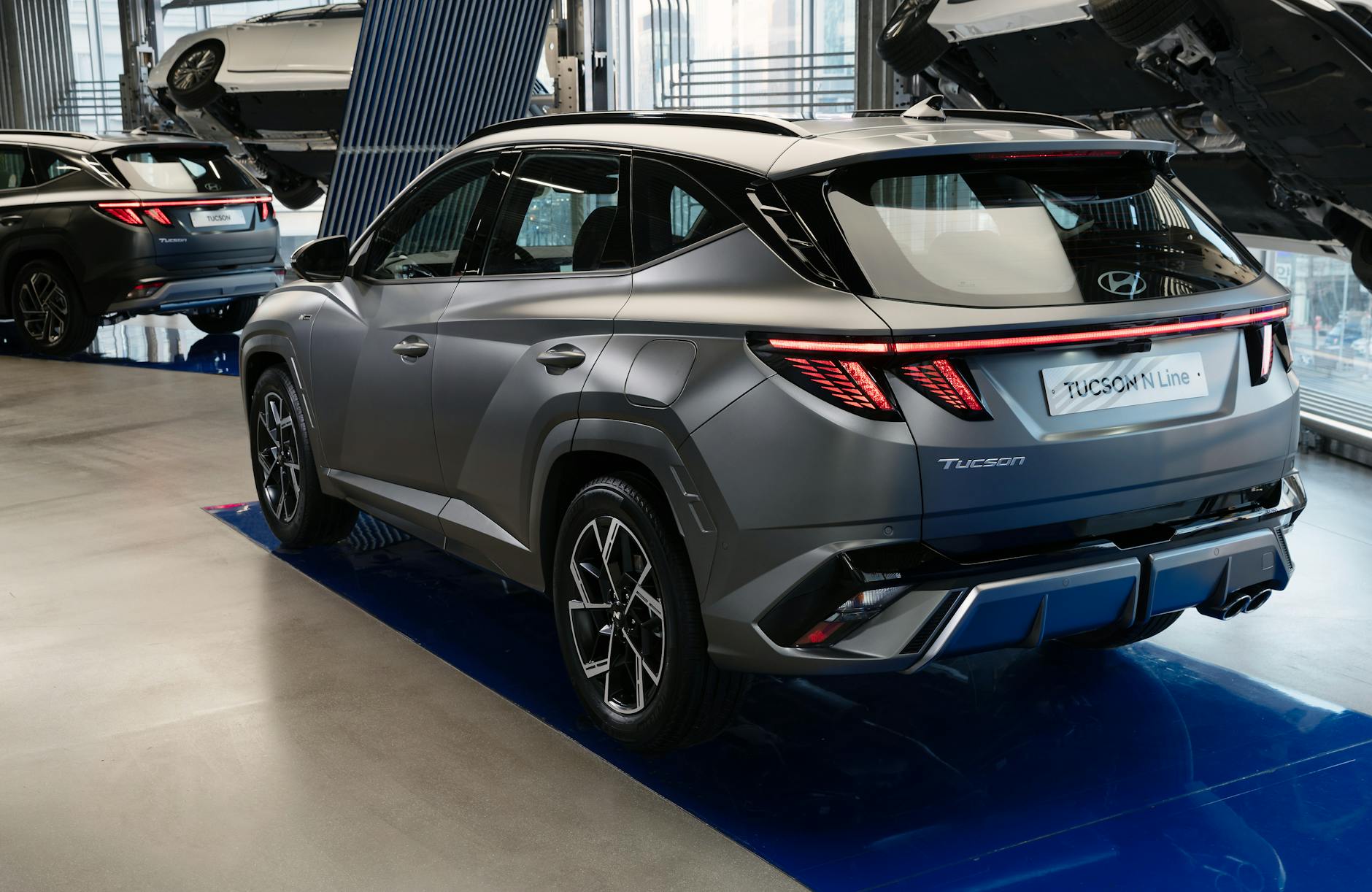
Design and Interior Highlights
The Tucson's exterior is unmistakable—parametric hidden headlights integrated into the grille, sculpted body sides, and full-width taillights. It looks more expensive than its price suggests. The cabin offers a clean layout with an 8-inch touchscreen standard; higher trims get a 10.25-inch digital cluster and infotainment screen. Wireless Apple CarPlay and Android Auto are standard. Materials are solid for the class, with soft-touch surfaces where it matters. Rear seat legroom is competitive; cargo space is 38.7 cubic feet behind the rear seats and 74.8 with them folded. A power liftgate is available on mid-trim and above. The N Line trim adds sportier styling—black accents, larger wheels, and a more aggressive front fascia—for buyers who want a sportier look.
Powertrain Options: Gas, Hybrid, and Plug-In
The base engine is a 2.5-liter four-cylinder (187 hp, 178 lb-ft) mated to an 8-speed automatic. It's adequate for daily driving but can feel strained when merging or passing. The hybrid pairs a 1.6-liter turbo with electric motors for 226 hp combined and EPA ratings in the mid-30s mpg—a strong choice for fuel-conscious buyers. The plug-in hybrid offers around 33 miles of electric-only range; it suits those with short commutes who can charge at home. Front-wheel drive is standard; all-wheel drive is available across the lineup. The hybrid's eCVT is smooth; the gas engine's 8-speed shifts cleanly. For most buyers, the hybrid offers the best balance of performance and efficiency.
Safety and Technology
Hyundai SmartSense includes forward collision avoidance with pedestrian detection, lane-keeping assist, driver attention warning, and adaptive cruise control on most trims. Blind-spot monitoring, rear cross-traffic alert, and safe exit assist (warns when opening a door into traffic) add protection. Highway Driving Assist provides semi-autonomous steering and speed control on highways. The Tucson has earned strong crash-test ratings from the IIHS and NHTSA. A surround-view camera and parking assist are available on higher trims. The infotainment system is intuitive; wireless charging is available. Over-the-air updates can improve software over time.
Pricing, Trims, and Competitors
The Tucson competes with the Honda CR-V, Toyota RAV4, Mazda CX-5, Kia Sportage, and Ford Escape. The SEL trim offers the best value—adding key features without the premium of the Limited. Consider the Convenience package for power liftgate, heated seats, and other upgrades. The Tucson's strengths are design, value, warranty, and the hybrid option. Test-drive against the CR-V and RAV4 to compare ride quality, interior space, and fuel economy. Resale value is competitive. Compare total cost of ownership—purchase price, fuel, insurance, maintenance—over five years. The 2026 Tucson delivers style and innovation at a competitive price.
Real-World Ownership Considerations
Fuel economy varies by trim: the gas engine returns low-to-mid 20s mpg combined; the hybrid achieves mid-30s. Insurance costs are typical for the segment. Maintenance follows Hyundai's schedule; the 10-year powertrain warranty covers major components. The Tucson's compact footprint makes it easy to park and maneuver in urban settings. Cargo capacity suits grocery runs, sports equipment, and weekend getaways. Families with young children will appreciate the rear seat space and available rear-seat reminders. The 2026 Tucson is a compelling choice for buyers who want distinctive styling, modern tech, and the option to go hybrid—all backed by one of the best warranties in the industry.
Final Verdict
Where style meets innovation on the road, the 2026 Hyundai Tucson stands out in a crowded segment. Its bold design, well-equipped interior, and available hybrid powertrain make it a smart choice for daily commuters and families alike. Prioritize the SEL trim for value, and strongly consider the hybrid if fuel economy matters. The Tucson proves that practical doesn't have to mean boring.
Test Drive and Ownership Tips
Schedule test drives of both the gas and hybrid models to feel the difference. Pay attention to cabin noise at highway speeds, seat comfort on a longer drive, and ease of car seat installation if you have children. Check cargo space with your typical load—stroller, groceries, luggage. Ask about dealer inventory and wait times; popular trims may have limited availability. Join owner forums to learn about real-world reliability and common issues. The 2026 Tucson delivers a compelling package for buyers seeking style, innovation, and value in a compact SUV.
The Tucson's warranty is a major selling point—few competitors offer 10-year powertrain coverage. Resale value holds up well; the hybrid retains value especially strongly. Consider your driving patterns: city-heavy commuters benefit most from the hybrid's efficiency, while highway drivers may find the gas engine sufficient. The 2026 Tucson where style meets innovation on the road is a standout choice in the compact SUV segment.