

Stress Free Out Of State Moves Mastering Estimates Storage
Long-distance moves require careful planning: accurate estimates, storage options, and timing. Get in-home or video estimates from at least three movers—binding estimates lock in price; non-binding can change based on actual weight. Storage adds flexibility: store belongings while securing housing, or stage a sale. Full-service movers handle packing, loading, transport, and delivery; you can reduce cost by packing yourself. Beware of low-ball quotes and rogue movers—verify licensing (USDOT number), read reviews, and never pay full cash upfront. Plan 8–12 weeks ahead for summer moves; book 4–6 weeks minimum.
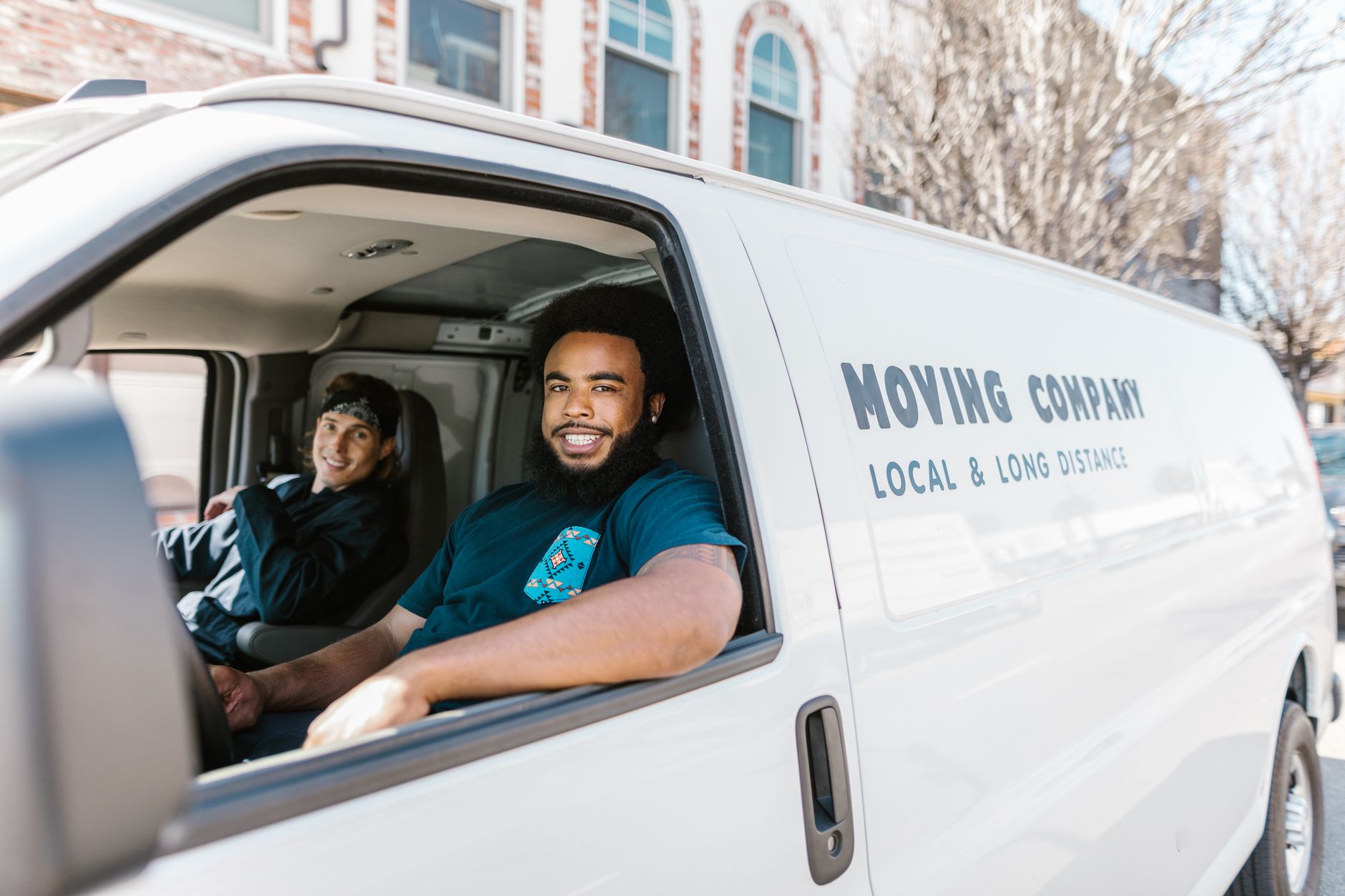
Getting Accurate Moving Estimates
In-home surveys are most accurate; video surveys work for smaller moves. List every item—garage, attic, shed. Weight-based pricing means underestimating inflates the final bill. Binding estimates guarantee price if inventory doesn't change; non-binding estimates can increase up to 110% of the quote at delivery. Ask about extra fees: stairs, long carries, shuttle service for large trucks. Get everything in writing. Compare total cost, not just the headline number.
Storage Options During a Move
Portable containers (PODS, U-Haul U-Box) are dropped at your home; you pack, they store and deliver. Useful when dates don't align. Traditional self-storage requires you to transport items; climate control matters for valuables. Full-service movers offer storage-in-transit (SIT)—they hold your goods between pickup and delivery. SIT has time limits and fees. Compare: container storage vs. mover storage vs. self-storage. Factor in access needs—can you retrieve items if plans change?
Red Flags and Scam Avoidance
Avoid movers who won't do an in-home or video survey. Check USDOT number at fmcsa.dot.gov. Get a written estimate before signing. Never pay more than a deposit (typically 20–30%) before loading. Be wary of large price increases at delivery—"hostage load" scams hold belongings until you pay more. Use movers with physical addresses and established reputations. Read BBB and review site feedback.
Packing and Inventory
Create a room-by-room inventory for the estimate and for insurance. Photograph valuable items. Label boxes clearly—room and contents. Pack a "first night" box with toiletries, medications, change of clothes, and important documents. Use quality boxes; wardrobe boxes protect hanging clothes. Disassemble furniture and keep hardware in labeled bags. Declutter before packing—don't pay to move items you'll discard. If the mover packs, they're liable for damage; if you pack, you may need additional insurance. Moving is stressful; organization reduces chaos.
A stress-free out-of-state move is achievable with planning, accurate estimates, and the right storage strategy. Start early, compare movers carefully, and protect yourself from scams. Your belongings and your peace of mind are worth the effort.
Timing and Cost-Saving Tips
Mid-month and mid-week moves cost less than month-end or weekends. Summer is peak season; fall and winter offer better rates. Declutter before the estimate—less to move means lower cost. Pack yourself if you have time; use free boxes from stores. Confirm delivery window; broad windows (e.g., 5-day) cost less than guaranteed dates. Update address with USPS, banks, and subscriptions before you go. Create a moving binder with estimates, contracts, and contact numbers. Take photos of valuable items for insurance. Keep medications, important documents, and essentials in a "first night" box that travels with you. A well-planned move reduces stress and avoids costly surprises.
Settling In at Your New Home
Update your address with USPS, DMV, banks, insurance, and subscriptions. Forward mail for at least six months. Schedule utilities to start before arrival. Inspect your belongings at delivery—note any damage on the bill of lading before signing. Unpack essentials first; tackle one room at a time. Give yourself grace—adjusting to a new place takes time. Connect with local resources: doctors, banks, grocery stores. A stress-free move extends into the settling-in phase; plan for both.
Insurance and Valuables
Basic mover liability (60 cents per pound) provides minimal protection—a 50-pound TV would be covered for $30 if destroyed. Full value protection or third-party insurance is worth considering for valuable items. Document high-value items with photos and serial numbers; some policies require a separate inventory. Move irreplaceable items (jewelry, documents, heirlooms) yourself. Cash and important documents should travel with you, not in the truck. If damage occurs, note it on the bill of lading before signing; you have limited time to file a claim. Understand your policy's deductible and exclusions. A few hundred dollars in additional coverage can provide peace of mind when moving a lifetime of belongings across the country.
Pets and Plants
Moving with pets requires extra planning. Update microchips and tags with the new address. Arrange for pet-friendly lodging if the drive spans multiple days. Some movers won't transport plants; you may need to drive them or give them away. Check state regulations for plant transport—some states restrict certain species. Plan for your pets' comfort during the transition; familiar bedding and routines help reduce stress.
Out-of-state moves are manageable with accurate estimates, smart storage decisions, and careful planning. Avoid scams, compare movers, and give yourself time. Your belongings and your peace of mind are worth the effort.