

No Credit Check Credit Cards Benefits Risks And How To Get Instant Approval
No-credit-check credit cards—including secured cards and prepaid reloadable cards—allow people with poor or no credit to access a card without a hard inquiry. Secured cards require a refundable deposit ($200–$500 typically) that becomes your credit limit; responsible use reports to bureaus and can build credit. Prepaid cards do not build credit but avoid credit checks entirely. "Instant approval" usually means same-day online decisions for secured cards; true instant-approval unsecured cards for bad credit are rare and often carry high fees. Benefits include credit building (secured), no credit check, and accessibility. Risks include high APRs, annual fees, and low limits. Compare offers from Capital One, Discover, and OpenSky before applying. People rebuild credit every day using secured cards—the key is consistent, responsible use. Within 12–18 months, many graduates to unsecured cards with better terms. Avoid predatory products that charge excessive fees or promise instant approval for high-limit unsecured cards; those are often scams.
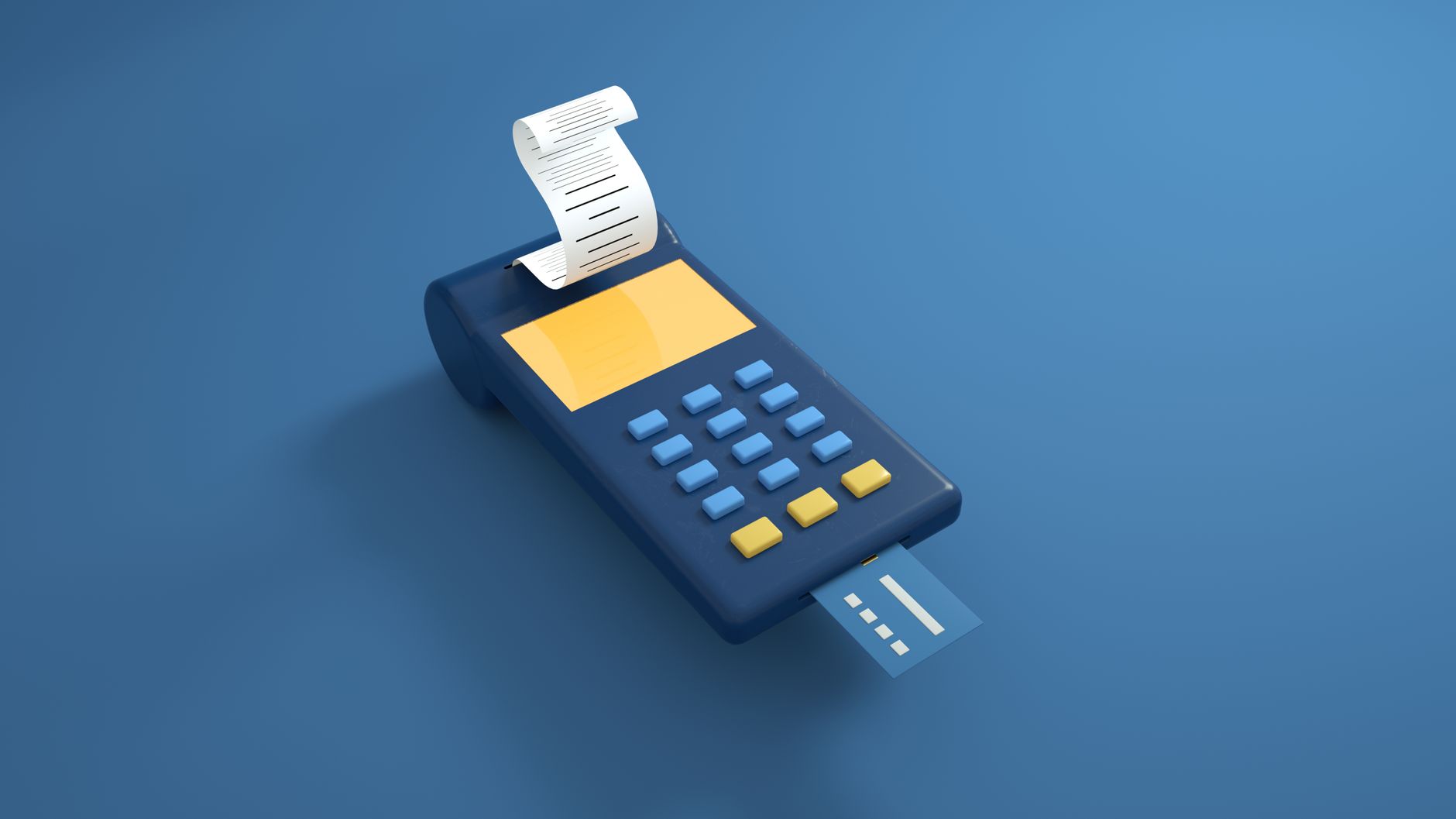
Secured vs. Prepaid: Key Differences
Secured cards require a deposit; the issuer reports to Experian, Equifax, and TransUnion. Use the card, pay in full monthly, and after 6–12 months you may qualify for an unsecured card and deposit return. Prepaid cards are loaded with your own money; they do not extend credit or report to bureaus. They help with budgeting and avoiding debt but do not improve your score. Some "credit builder" products (e.g., Chime Credit Builder) report positive payment history without a traditional credit check. Authorized user status on someone else's account can also help—you benefit from their payment history if the primary user has good credit. Not all issuers report authorized users; confirm before adding. Secured cards remain the most reliable path for building credit from scratch.
How to Get Approved Quickly
Secured cards from Capital One, Discover, and Citi often offer instant or same-day decisions. Have your deposit ready ($200–$500). Provide accurate income and address information. Avoid applying for multiple cards at once—each application can lower your score. If denied, ask for the reason; you may qualify for a different product. OpenSky and Applied Bank offer secured cards with no credit check but may have higher fees.
Alternatives to No-Credit-Check Cards
If you need credit building but can't get a secured card, consider becoming an authorized user on a family member's account (ensure they have good credit and the issuer reports authorized users). Credit builder loans (Self, Credit Strong) report positive payment history. Rent reporting services (RentTrack, LevelCredit) add rent payments to your credit file. These options don't require a credit check for approval. Over time, they can help you qualify for traditional credit products. Avoid payday loans and title loans—they don't build credit and trap borrowers in debt cycles.
No-credit-check credit cards and alternatives offer a path to financial access and credit building. Choose secured cards from reputable issuers, use them responsibly, and be patient. Within a year or two, you can graduate to better products and improve your financial options.
Fees and APR Considerations
Secured cards may charge $0–$49 annual fees; Discover and Capital One offer no-fee secured options. APRs on subprime cards can exceed 25%; avoid carrying a balance—pay in full each month. Watch for monthly maintenance fees on prepaid cards. Read the Schumer Box before applying; understand all fees. A $35 annual fee is reasonable for credit building; avoid cards with excessive charges.
Building Credit Responsibly
Avoiding Predatory Products
Steer clear of cards that charge application fees, monthly fees on top of annual fees, or promise "guaranteed approval" for high limits with bad credit—these are often scams. Legitimate secured cards from major issuers (Capital One, Discover, Citi) do not charge application fees. Avoid "credit repair" companies that charge upfront; you can dispute errors yourself for free. If a card requires payment before "activation," it's likely fraudulent. Read the Schumer Box—the standardized disclosure—before applying. Compare at least three offers. A reputable secured card will return your deposit when you close the account in good standing or graduate to unsecured. Building credit takes time; avoid anyone promising instant fixes.
Timeline for Credit Improvement
Expect 6–12 months of on-time payments and low utilization before seeing meaningful score gains. Payment history and credit utilization have the largest impact. After 12–18 months, many secured card users qualify for unsecured cards and get their deposits back. Stay patient—rushing to apply for multiple cards can hurt your score. One well-managed secured card does more for your credit than several cards with scattered payments.
Keep utilization under 30% (ideally under 10%)—if your limit is $500, keep the balance below $150. Pay on time every month; one late payment can hurt your score. After 6–12 months of good behavior, request a credit limit increase or apply for an unsecured card. Avoid closing the secured card when you upgrade; length of credit history matters. Set up autopay for at least the minimum to avoid missed payments. Monitor your credit report for errors; dispute inaccuracies with the bureaus. Building credit is a marathon, not a sprint—patience and discipline pay off. Once your score improves, you'll qualify for better cards, lower rates on loans, and more financial options.