

How To Choose The Forklift Landscape From Rentals To Technicians
Forklifts are essential in warehouses, construction, and manufacturing. Options include buying, leasing, or renting. Rental suits short-term needs (construction projects, peak season); rates run $200–500/day or $1,500–4,000/month. Leasing spreads cost over 2–5 years with predictable payments. Buying makes sense for high-use operations. Electric forklifts cost more upfront but save on fuel and maintenance; diesel and propane suit outdoor or heavy-duty use. Forklift technicians maintain and repair equipment—demand is strong as logistics grows. This guide covers equipment selection, rental vs. purchase, technician careers, and how to find reliable service.
Choosing Capacity and Type
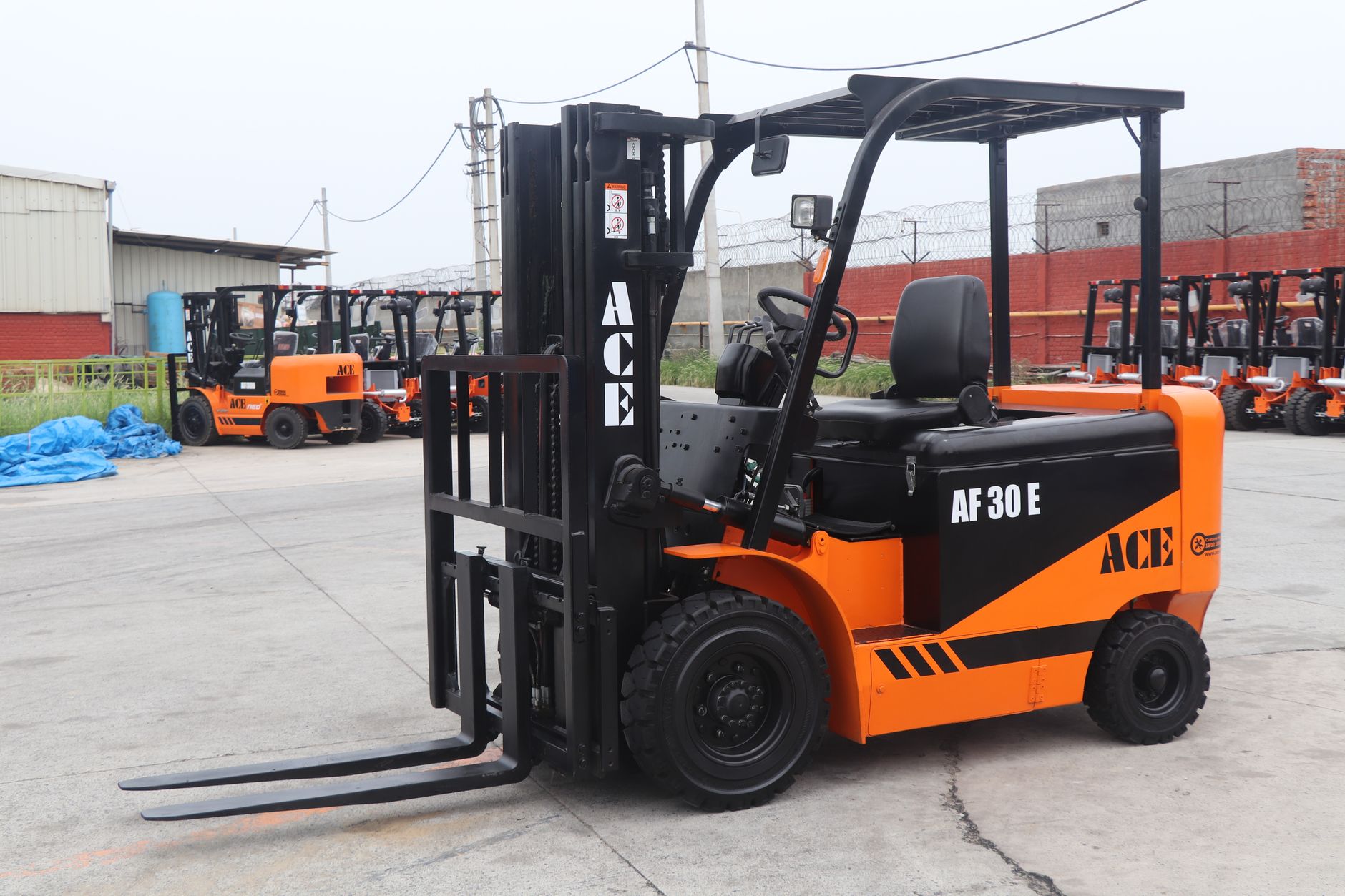
Lift capacity (3,000–50,000+ lbs) and mast height must match your loads and racking. Sit-down counterbalance forklifts are common in warehouses; stand-up reach trucks work in narrow aisles. Pallet jacks and order pickers suit lighter tasks. Consider aisle width, floor conditions, and indoor vs. outdoor use. Electric forklifts require charging infrastructure; propane and diesel need fuel storage. Used forklifts cost 30–50% less than new; inspect hours, maintenance records, and tire condition. Rent before buying to assess fit.
Rental vs. Lease vs. Purchase
Rental: no long-term commitment, flexible for seasonal or project-based needs. Lease: predictable payments, often includes maintenance; upgrades at end of term. Purchase: full ownership, lower long-term cost for high-use; you bear maintenance and depreciation. Calculate total cost of ownership: purchase price, fuel, maintenance, and resale value. Rental companies (Crown, Hyster-Yale, Toyota, regional dealers) offer short- and long-term options. Compare rates and terms from multiple providers.
Technician Careers
Forklift technicians maintain and repair equipment; certification (ASE, manufacturer programs) improves employability. Salaries range from $45,000–$65,000. Demand is strong as logistics and e-commerce grow. Training programs at community colleges and trade schools take 6–12 months. Employers often hire from rental and dealership service departments. Skills include electrical systems, hydraulics, and engine repair. Some technicians specialize in specific brands. Career paths include lead technician, service manager, or field service.
Finding Reliable Service
Dealer service departments offer certified technicians and genuine parts. Independent repair shops may be cheaper but verify expertise. Preventive maintenance contracts reduce downtime and extend equipment life. Keep records of service and repairs for resale value. For rentals, ensure the provider offers timely repair or replacement. Establish relationships with local providers before emergencies occur.
Safety and Training
OSHA requires forklift operators to be trained and certified. Training covers operation, load handling, and workplace hazards. Refresher training is needed when operators change equipment or when workplace conditions change. Ensure your rental or purchased equipment comes with appropriate training. Forklift accidents cause serious injuries and fatalities; proper training and maintenance are essential. Inspect equipment daily before use; report defects immediately.
Industry Trends
Electric forklifts are becoming standard for indoor use—zero emissions and lower operating cost. Automated guided vehicles (AGVs) and autonomous forklifts are emerging in large warehouses. Telematics track usage, fuel, and maintenance needs. Consider future needs when choosing equipment; the shift toward automation may affect long-term purchasing decisions.
Buying Used Equipment
Used forklifts cost 30–50% less than new. Inspect hours, maintenance records, and tire condition. Buy from reputable dealers who offer warranties. Consider total cost of ownership—older equipment may need more repairs. Certified pre-owned programs from manufacturers offer refurbished units with warranties. Auction and wholesale markets exist but require expertise to navigate.
Summary
Match equipment to your needs: capacity, environment, and usage. Rent for short-term or uncertain demand; lease or buy for long-term use. Invest in technician training or reliable service partnerships. Prioritize safety and maintenance. The forklift landscape offers options for every budget and use case—research and compare before committing.
Environmental Considerations
Electric forklifts produce zero emissions and are ideal for indoor use. They require charging infrastructure and have higher upfront cost but lower operating cost over time. Propane and diesel suit outdoor or heavy-duty applications. Some jurisdictions have emissions regulations. Consider sustainability goals and operational requirements when choosing power type.
Maintenance Best Practices
Follow manufacturer maintenance schedules. Daily pre-use inspections catch issues before they cause downtime. Keep tires in good condition—they affect stability and traction. Battery care for electric units extends life. Document all service for resale value and warranty compliance. Train operators on proper use; misuse accelerates wear. A well-maintained forklift lasts longer and operates more safely.
Rental Agreement Tips
Read rental agreements carefully. Understand damage waivers, fuel policies, and return conditions. Document equipment condition at pickup with photos. Know the process for breakdowns—who provides replacement? Clarify insurance requirements. Short-term rentals may have daily minimums. Long-term rentals often offer better rates. Compare total cost including delivery, fuel, and any fees.
Summary
Forklifts are essential for many operations. Match equipment to your needs—capacity, environment, and usage. Rent for short-term needs; lease or buy for long-term. Invest in technician training or reliable service. Prioritize safety and maintenance. The forklift landscape offers options for every budget. Research and compare before committing.
Total Cost of Ownership
Factor in purchase or rental cost, fuel or electricity, maintenance, insurance, and operator training. Electric forklifts have higher upfront cost but lower operating cost. Used equipment may need more repairs. Calculate TCO over 5 years when comparing options. The cheapest upfront choice is not always the most economical long-term.