

Solar Solutions for Businesses a Spotlight on Installers and Ppas
Commercial solar reduces electricity costs, supports sustainability goals, and provides predictable energy pricing for decades. Options: direct purchase, leases, power purchase agreements (PPAs). PPAs allow a third-party developer to install and own the system on your roof; your business buys power at a fixed or escalating rate, often below utility prices, with little or no upfront cost. Trade-off: long-term commitment (15-25 years). Installer selection affects system quality, performance guarantees, and reliability. Commercial systems range from small rooftop (50-200 kW) on retail stores to large ground-mounted arrays (1-5 MW) for manufacturing. Federal ITC is 30% through 2032; accelerated depreciation (MACRS) adds value for tax-paying entities. PPAs appeal to those who prefer no upfront capital. Typical commercial system: $2-$4 per watt installed; a 100 kW system runs $200,000-$400,000 before incentives.
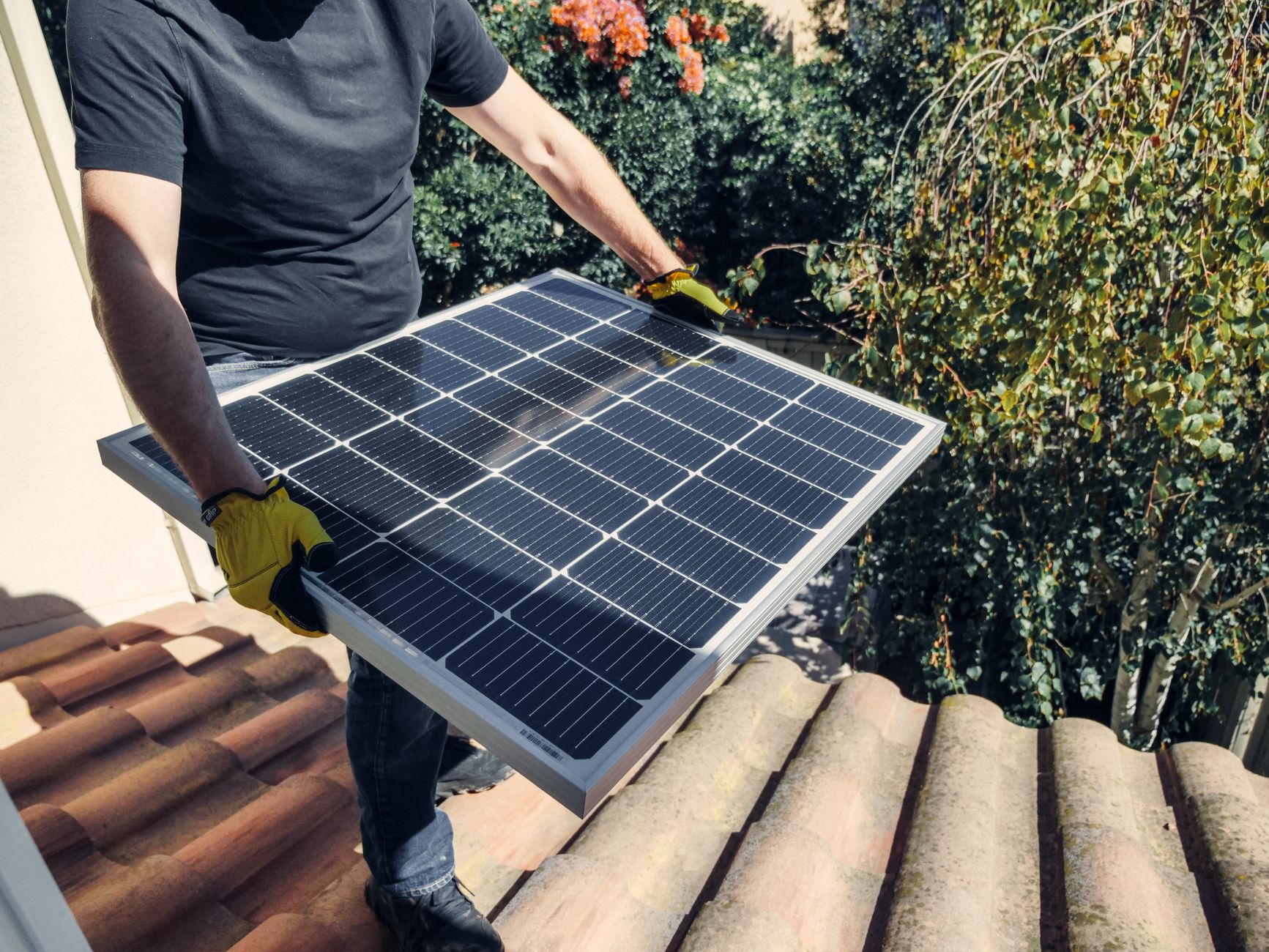
Choosing a Commercial Solar Installer
Look for NABCEP certification and experience with commercial projects of similar size. Check references and visit completed installations. Compare warranties: equipment (25 years standard for panels-LG, REC, Canadian Solar), workmanship (10+ years), production guarantees (80% output at year 25). Get at least three quotes; pricing can vary 20-40% between installers. Assess financial stability. Review system design: panel efficiency (20-22% for premium), inverter type (SolarEdge, Enphase), shading analysis. National installers: SunPower, Sunrun, Tesla; regional firms often offer competitive pricing.
PPA vs. Ownership vs. Lease
PPAs: minimal capital; developer handles design, installation, maintenance, monitoring. You pay only for power produced-typically $0.08-$0.12/kWh with 1-3% annual escalation. Ownership: captures full value of ITC (30%), state credits, depreciation (5-year MACRS) but requires upfront investment. Leases: fixed monthly fee, often with buyout option. Evaluate based on cash flow, tax appetite, how long you expect to occupy the building.
PPA Contract Essentials
Have an attorney review PPA terms before signing. Key clauses: escalation rate (1-3% annual is common), performance guarantees, termination and buyout options, building sale provisions. Understand roof repair responsibility and system removal/relocation. Ensure contract aligns with lease if you don't own the building-landlord approval typically required for rooftop installations.
Site Assessment and Incentives
Quality installer conducts site assessment: roof condition, structural capacity, shading, electrical infrastructure. Older roofs may need replacement before solar. Ground-mounted systems if rooftop space limited. Utility interconnection and net metering vary by state. Incentives: federal ITC 30% through 2032, state rebates (NYSERDA, California SGIP), RECs. Lead times: 2-6 months from contract to interconnection.
Maintenance and Performance
Solar systems require minimal maintenance-periodic cleaning and inspections. Monitoring (SolarEdge, Enphase) tracks production and alerts to underperformance. With PPA, developer typically handles maintenance. Panel degradation is normal (0.5%/year); warranties guarantee 80% output at year 25.
Financing and Incentive Details
Federal ITC: 30% of system cost through 2032; drops to 26% in 2033, 22% in 2034. For a $300,000 system, that's $90,000 in tax credit. MACRS depreciation: 5-year schedule; allows 80% bonus depreciation in year 1 for 2026-2026. State incentives: NYSERDA offers $0.20-0.35/watt; California SGIP for storage. Commercial rates: PPA typically $0.08-0.12/kWh with 1-3% annual escalation. Ownership: payback 5-8 years for many commercial systems; 25-year production. Financing: Clean Energy Credit Union, Mosaic, Sungage offer commercial loans. Lease: $0 down; fixed monthly payment; typically 15-20 year term.
RFP process: issue a request for proposal with your roof specs, annual usage, and goals. Include questions on installer experience, warranty, and references. Site visit: installer should assess roof condition, shading (trees, HVAC units), and electrical panel capacity. Older panels may need upgrade ($1,500-3,000). Interconnection: utility approval can take 2-8 weeks; some utilities have queues. Net metering: understand your utility's policy—full retail credit vs. avoided cost. Battery storage adds $400-600/kWh for resilience but extends payback.
Panel brands: LG, REC, Canadian Solar, and SunPower offer 25-year product warranties. Tier 1 manufacturers (Bloomberg list) have stronger financials. Inverter: string inverters (SolarEdge, Fronius) cost less; microinverters (Enphase) optimize per-panel and suit shaded roofs. Monitoring: ensure you get access to production data. SolarEdge and Enphase offer apps. With PPAs, the developer typically provides monitoring. Document everything: keep contracts, permits, and warranty info in one place.
Contract negotiation: push back on escalator rates above 2.5%—utility rates may not rise that fast. Request performance guarantee of 95% of estimated production. Include a buyout clause if you might purchase the building or want to own the system later. Roof warranty: ensure the installer's workmanship warranty covers leaks from penetrations. Some PPAs require roof warranty extension. Legal review: have a lawyer experienced in commercial solar review the PPA—$1,500-3,000 is worth avoiding unfavorable terms.
Panel brands: LG, REC, Canadian Solar, and SunPower offer 25-year product warranties. Tier 1 manufacturers (Bloomberg list) have stronger financials. Inverter: string inverters (SolarEdge, Fronius) cost less; microinverters (Enphase) optimize per-panel and suit shaded roofs. Monitoring: ensure you get access to production data. SolarEdge and Enphase offer apps. With PPAs, the developer typically provides monitoring. Document everything: keep contracts, permits, and warranty info in one place.
Contract negotiation: push back on escalator rates above 2.5%—utility rates may not rise that fast. Request performance guarantee of 95% of estimated production. Include a buyout clause if you might purchase the building or want to own the system later. Roof warranty: ensure the installer's workmanship warranty covers leaks from penetrations. Some PPAs require roof warranty extension. Legal review: have a lawyer experienced in commercial solar review the PPA—$1,500-3,000 is worth avoiding unfavorable terms.