

How To Choose Free Ostomy Bags Your Essential Guide To Support And Resources
Ostomy bags (pouches) collect waste from a surgically created opening (stoma) when the bowel or bladder cannot function normally. They are essential for people with Crohn's disease, ulcerative colitis, cancer, or other conditions requiring ostomy surgery. Accessing free or low-cost ostomy supplies can ease the financial burden—supplies can cost hundreds of dollars monthly—and ensure consistent care. With the right resources, you can obtain quality supplies without breaking the bank. Medicare Part B, Medicaid, and private insurance typically cover ostomy supplies when prescribed. Manufacturers offer sample programs and patient assistance. The United Ostomy Associations of America connects you to support groups and resources. This guide covers insurance, free programs, product selection, and thriving with an ostomy.
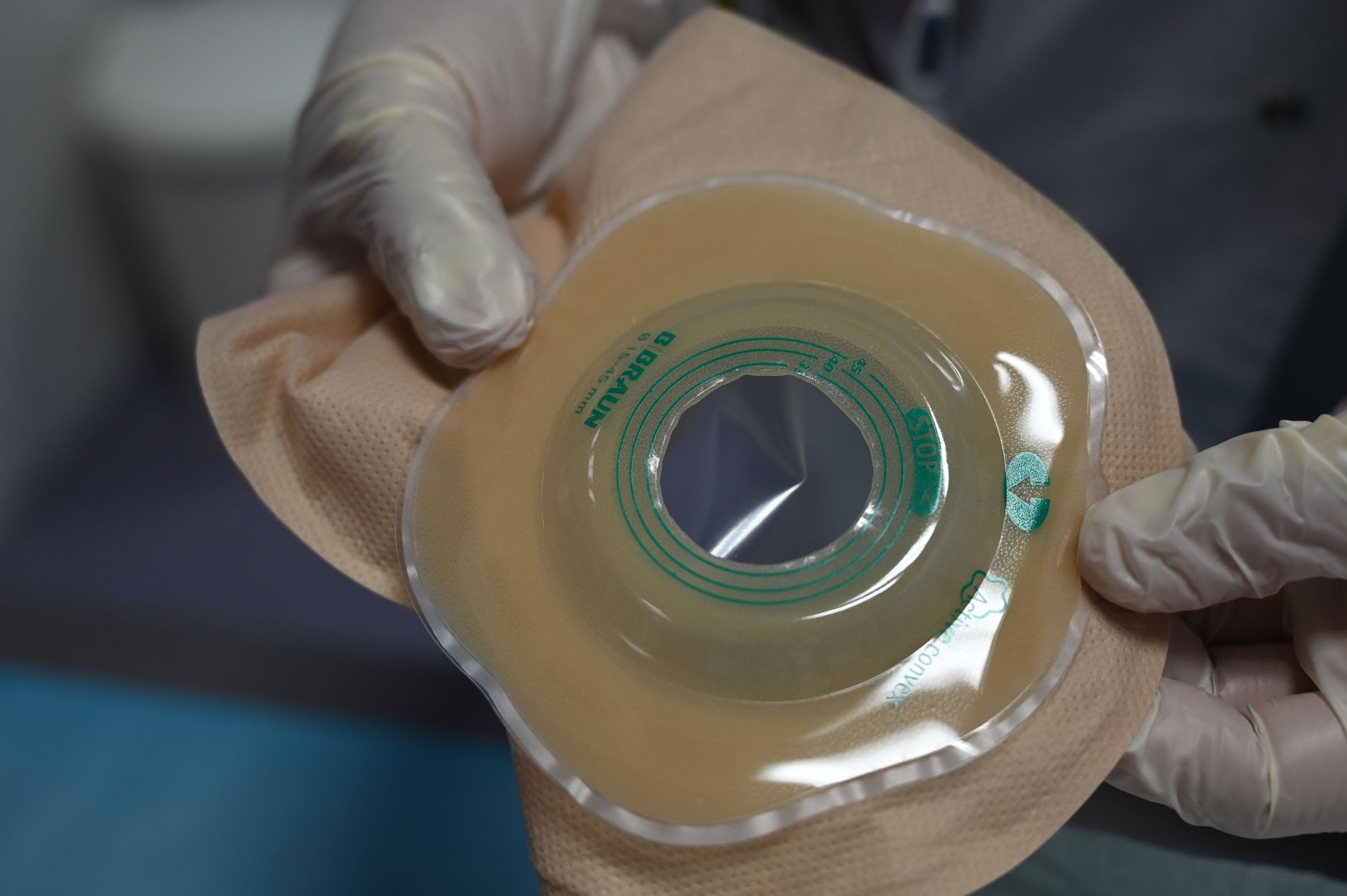
Types of Ostomy Supplies
One-piece systems combine the skin barrier (wafer) and pouch; two-piece systems have a separate barrier and attachable pouch. Pouches may be drainable (for ileostomy) or closed (for colostomy). Barriers come in various sizes, shapes, and formulations (paste, powder, rings) to fit different stomas and skin types. Accessories include adhesive removers, barrier rings, and belts for support. Work with an ostomy nurse (WOC nurse) to find the right fit—stoma size and shape change, especially in the first year. Trial different products; manufacturers offer sample programs.
Insurance and Medicare Coverage
Medicare Part B covers ostomy supplies as durable medical equipment when prescribed. Coverage includes pouches, barriers, and related accessories. Private insurance typically covers supplies with a doctor's prescription. Verify your plan's formulary and any quantity limits. Some plans require using specific suppliers. Document your usage to justify quantities if your plan limits supply. Medicaid covers supplies for eligible patients. Veterans may receive supplies through the VA. If you have coverage, work with a supplier that accepts your insurance and can handle prior authorization.
Free and Low-Cost Resources
Manufacturers (Hollister, ConvaTec, Coloplast) often offer free samples and patient assistance programs. The United Ostomy Associations of America (UOAA) provides resources and may connect you to local support groups that share supplies. Some hospitals and clinics have supply closets. Apply for manufacturer assistance programs—income limits vary. The UOAA website lists resources by state. Some charitable organizations provide emergency supplies. Do not hesitate to ask your healthcare team for referrals; they often know local resources.
Choosing the Right Products
Work with an ostomy nurse (WOC nurse) to find the right fit—stoma size and shape change, especially in the first year. Trial different products; manufacturers offer sample programs. Proper fitting prevents leaks and skin irritation. Join support groups for peer advice and product recommendations. Consider convexity, barrier flexibility, and pouch capacity based on your output. Skin issues (irritation, peristomal hernia) may require specialized products. Your WOC nurse can help troubleshoot.
Working With Your Healthcare Team
An ostomy nurse (WOC nurse) is your best resource for fitting, product selection, and problem-solving. Schedule follow-up visits as your stoma settles—size and shape can change in the first year. Report skin irritation, leaks, or changes in output promptly. Your surgeon and primary care provider should be aware of your ostomy; coordinate care for medications that affect digestion. Support groups connect you with others who understand the daily realities—online and in-person options exist. The UOAA offers a network of affiliated support groups. With the right products and support, an ostomy does not have to limit your life.
Travel and Daily Life
Travel with extra supplies; availability varies by location. Empty your pouch before security if flying; TSA is familiar with ostomies. Many people swim, exercise, and travel without limitation. Clothing choices are personal—some prefer high-waisted options; others wear whatever they like. Employers must provide reasonable accommodations under the ADA. Stoma size can change in the first year. Schedule follow-up visits. With proper care, you can live fully. You are not alone. Connect with support groups—online and in-person. Life with an ostomy can be full and rewarding. The right products and support make all the difference.
Thriving With an Ostomy
Ostomy supplies are essential for health and dignity—and help is available. Work with a WOC nurse to find the right products and fit. Explore manufacturer sample and assistance programs, verify your insurance coverage, and contact organizations like the United Ostomy Associations of America for resources. You should not have to choose between supplies and other basic needs. Many programs exist to bridge the gap. With the right products and support, an ostomy does not define your life. Many people swim, travel, work, exercise, and maintain full relationships. Connect with support groups—online and in-person—to learn from others who have walked this path. Employers must provide reasonable accommodations under the ADA. You are not alone, and life with an ostomy can be full and rewarding.
One-piece systems combine the wafer and pouch; two-piece systems have a separate barrier and attachable pouch. Pouches may be drainable for ileostomy or closed for colostomy. Barriers come in various sizes, shapes, and formulations. Work with your WOC nurse to find the right fit—stoma size and shape change, especially in the first year. Trial different products; manufacturers offer sample programs. Proper fitting prevents leaks and skin irritation. Join support groups for peer advice. Report skin irritation, leaks, or changes in output promptly. Schedule follow-up visits as your stoma settles.