

Inventory a Deep Dive Into Stock Control Software Systems for Small Businesses
Inventory software tracks stock levels, reorder points, and movement across locations. Small businesses use tools like Sortly, inFlow, Fishbowl, and Zoho Inventory; larger operations integrate with NetSuite, SAP, or Microsoft Dynamics. Accurate inventory reduces stockouts and excess; the average U.S. retailer loses 1–2% of sales to shrinkage. Choosing and implementing the right system improves efficiency and profitability.
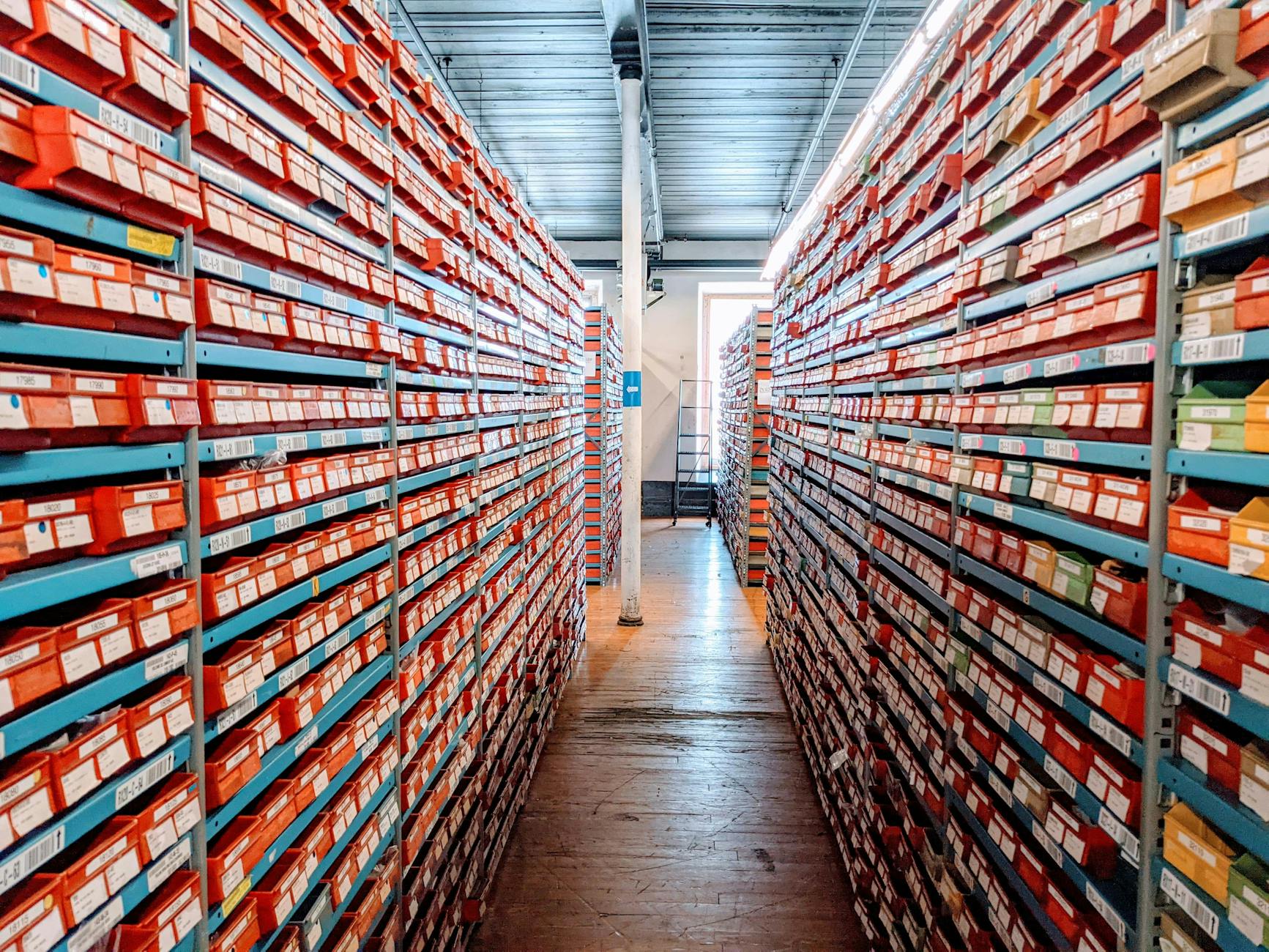
Core Features for SMBs
Barcode scanning (handheld or mobile) speeds receiving and cycle counts. Low-stock alerts and reorder point triggers prevent stockouts. Purchase order generation and vendor management streamline replenishment. Multi-location support matters for businesses with warehouses or multiple stores. Integration with accounting (QuickBooks, Xero) and e-commerce (Shopify, WooCommerce) eliminates double entry and syncs orders. Reporting and analytics help identify fast movers, dead stock, and margin by SKU.
Choosing the Right System
Match features to your volume, complexity, and budget. Solo operators may start with spreadsheets; 10+ SKUs often justify dedicated software. Consider scalability—will the system grow with you? Cloud vs. on-premise: cloud offers accessibility and automatic updates; on-premise may suit offline or highly customized needs. Free trials help evaluate fit.
Implementation Tips
Conduct a physical count before going live to establish accurate starting balances. Set reorder points based on lead time, demand variability, and safety stock. Train staff on receiving, cycle count, and adjustment procedures. Use barcodes or RFID for accuracy. Review and adjust parameters quarterly as demand patterns change. Integrate with sales channels to avoid overselling.
Common Pitfalls
Skipping the initial count leads to garbage-in, garbage-out. Setting reorder points too low causes stockouts; too high ties up capital. Neglecting cycle counts allows drift between system and reality. Failing to train staff undermines adoption. Over-customizing before understanding workflows can complicate maintenance.
Inventory Valuation Methods
FIFO (first-in, first-out), LIFO (last-in, first-out), and weighted average affect cost of goods sold and taxes. FIFO assumes oldest inventory sells first; it's common and often matches physical flow. LIFO can reduce taxes when costs rise but isn't allowed under IFRS. Weighted average smooths cost fluctuations. Your accounting method should match your software's capabilities. Changing methods requires IRS approval. Consult an accountant when setting up or scaling.
Multi-Channel and E-Commerce Considerations
Selling on Amazon, Shopify, and in-store requires real-time inventory sync to prevent overselling. Each channel may have different fulfillment (FBA, merchant-fulfilled, dropship). Inventory software with native integrations reduces manual updates. Consider lead times when listing on new channels—running out of stock hurts rankings and customer trust.
Demand Forecasting and Analytics
Historical sales data informs reorder points and safety stock. Seasonal businesses need to account for demand spikes. Simple moving averages or exponential smoothing can forecast demand; advanced tools use machine learning. Track metrics: inventory turnover, days of supply, stockout rate, and carrying cost. High turnover reduces carrying cost but increases ordering frequency; low turnover ties up capital. Find the balance for your business.
Shrinkage and Loss Prevention
Shrinkage—inventory lost to theft, damage, or error—costs retailers 1–2% of sales on average. Cycle counts identify discrepancies; investigate root causes. Employee theft, shoplifting, and vendor fraud are common. Access controls, cameras, and inventory audits deter loss. Document receiving procedures to catch short shipments. Train staff on proper handling to reduce damage. Software that tracks variance by location or SKU helps pinpoint problems.
Inventory management is foundational to retail and product-based businesses. The right software, combined with disciplined processes and trained staff, reduces costs and improves customer satisfaction. Start with the basics—accurate counts and reorder points—then layer in analytics and automation as you grow.
Barcode and RFID Technology
Barcodes are the standard for inventory tracking—cheap, reliable, and widely supported. RFID tags allow scanning without line-of-sight and can read multiple items at once; they're more expensive but useful for high-value or bulk items. Mobile scanners connect to your inventory system for real-time updates. Choose technology that matches your volume and budget. Even small businesses benefit from barcode scanning—it reduces errors and speeds receiving and cycle counts.
Starting Small and Scaling
If you're just starting, a spreadsheet may work for a handful of SKUs. As you grow, dedicated software becomes necessary. Many systems offer free tiers or trials. Migrate before chaos sets in—transitioning from messy spreadsheets is harder than starting clean. Plan for integration early: if you use QuickBooks, Shopify, or other tools, choose inventory software that connects. Data flows between systems reduce manual work and errors.
Inventory and Cash Flow
Inventory ties up capital—money spent on stock isn't available for other uses. Balance having enough stock to meet demand with not over-investing in inventory. Fast turnover improves cash flow; slow-moving inventory hurts it. Use inventory reports to identify dead stock and consider markdowns or liquidation. Good inventory management supports healthy cash flow, which is critical for small business survival. The right software pays for itself through reduced waste and improved efficiency.
Choosing Your First System
Start with a system that matches your current needs—not what you might need in five years. Overbuying leads to unused features and complexity. Many vendors offer free trials; use them to test workflows. Involve staff who will use the system daily. Their feedback on usability matters. A system that works for your team is more valuable than one with every possible feature.