

Making The Most Of Solar Power Portable Generators And Electric Solutions
Portable solar solutions—solar panels, power stations, and solar generators—provide off-grid and backup power for camping, RVing, emergencies, and remote work. Products from brands such as Jackery, EcoFlow, Goal Zero, and Bluetti range from 200Wh to 2kWh and beyond. Power stations store energy in lithium batteries; solar panels recharge them. Some units support home backup with transfer switches. Capacity (watt-hours) and output (watts) determine what you can run; expandable systems add panels or batteries for greater flexibility.
Product Categories
Power Stations vs. Solar Generators
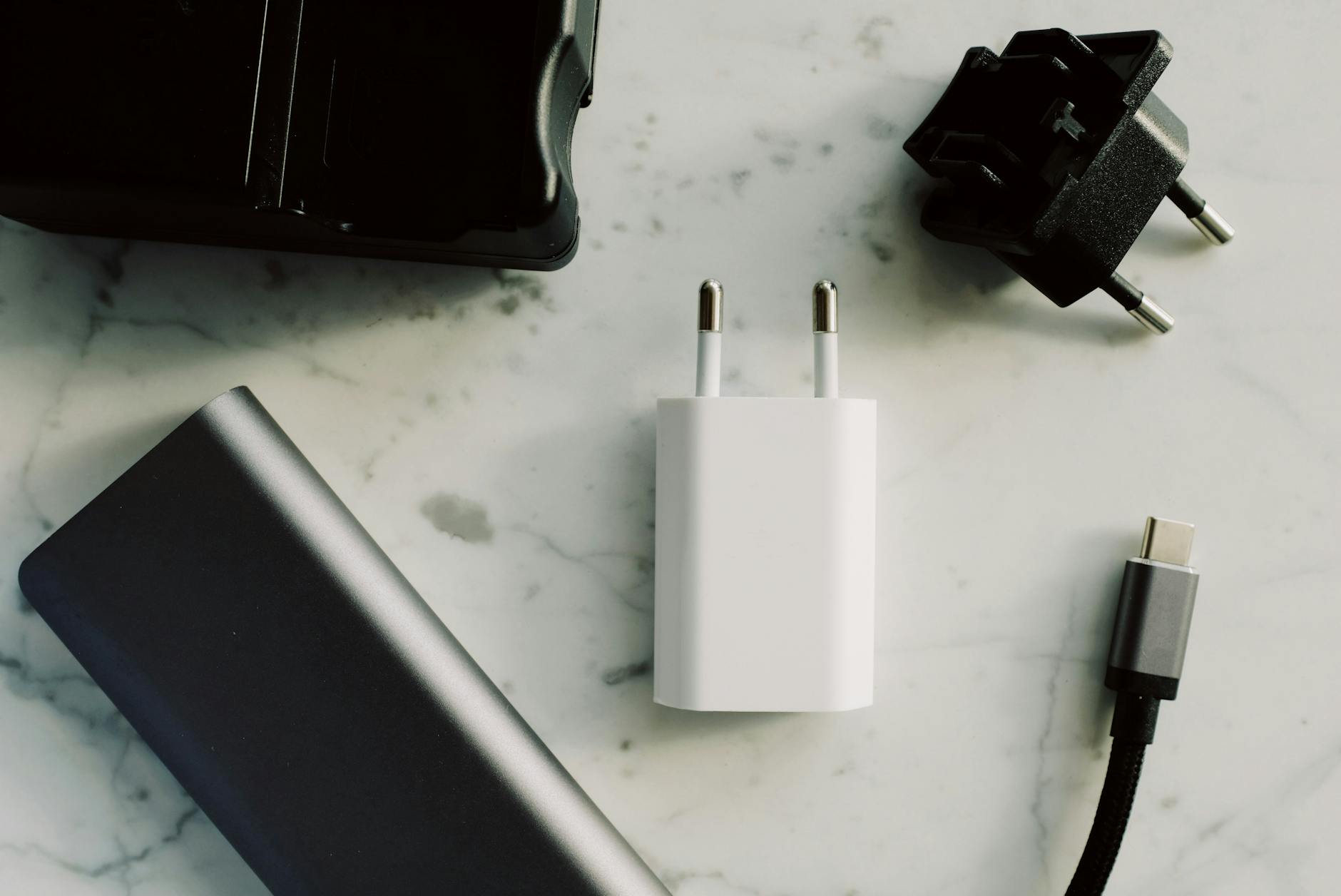
Power stations are battery packs with AC and DC outlets; you charge them via wall outlet or solar. Solar generators combine panels and storage in one system. Standalone panels offer flexibility—add capacity as needed. Compare watt-hours (capacity), continuous and surge wattage (output), and number of ports.
Key Specifications
Watt-hours (Wh) indicate how long you can run devices; a 500Wh unit might power a laptop for several hours or a mini fridge for a few. Surge wattage matters for motors (fridges, pumps). Pure sine wave output protects sensitive electronics. Expansion options let you add panels or batteries later.
Choosing for Your Needs
Emergency Backup
For home backup, calculate essential loads: fridge, lights, medical equipment, communication devices. A 1–2kWh unit can run basics for hours to a day. Pair with a transfer switch for safe connection to home circuits. Some regions offer incentives for home backup systems.
Camping and RV
Portability and weather resistance matter. Foldable panels are easier to transport. Consider recharge time—how many hours of sun to full charge. Compare warranty, cycle life, and customer support. Read reviews for real-world performance in your use case.
Maintenance and Longevity
Extending Battery and Panel Life
For off-grid living or extended travel, larger systems (3kWh+) with multiple panels and batteries provide greater independence. Inverter capacity determines what you can run simultaneously; a 1000W inverter might run a fridge and a few lights but not a microwave and fridge together. Pure sine wave inverters are essential for sensitive electronics. Some units support pass-through charging—powering devices while charging from solar or grid. Noise levels matter for camping; solar is silent compared to gas generators.
Solar charging depends on panel wattage, sun hours, and angle. A 100W panel might add 400–600Wh per day in good conditions. Partial shade significantly reduces output. Portable systems are not a substitute for whole-house backup but can power essentials. Generator capacity is often overstated; derate by 10–20% for real-world use. USB-C and USB-A ports enable direct device charging. Car charging adapters add flexibility for road trips. Weight matters for backpacking; smaller units trade capacity for portability. Read independent reviews and compare specifications across brands. Warranty and customer support matter for long-term satisfaction.
Battery chemistry affects performance: LiFePO4 offers more cycles than standard lithium-ion. Cold weather reduces capacity; some units have cold-weather modes. Inverter efficiency (typically 85–95%) affects usable output. Parallel capability lets you connect units for more power. Stackable systems grow with your needs. Regulated output protects devices from voltage fluctuations. Silent operation suits camping and residential use. Compare specs carefully: some manufacturers overstate capacity. Real-world testing by reviewers provides useful data. Consider total ecosystem: panels, batteries, cables, and accessories. Quality equipment lasts longer and performs better.
Off-grid living requires careful load calculation and system sizing. Peak sun hours vary by location and season. Winter and cloudy days reduce solar harvest. Battery capacity must cover nights and cloudy periods. Hybrid systems combine solar with grid or generator backup. Portable systems suit variable needs: camping, events, job sites. Home backup requires larger investment but provides peace of mind. Incentives and tax credits may apply for home systems. Portable units typically do not qualify. Compare total cost of ownership including replacement. Quality equipment from reputable brands generally offers better value over time.
Lithium batteries perform best when kept between 20% and 80% charge for daily use; avoid deep discharges when possible. Store in a cool, dry place when not in use. Solar panels lose efficiency over time—typically 1–2% per year. Clean panel surfaces periodically for optimal output. Check manufacturer guidelines for cold-weather storage; some batteries may need to be brought indoors. Proper care can extend usable life to a decade or more.
Portable solar power has never been more capable or affordable. Technology continues to improve. Battery costs have fallen. Whether for recreation, emergency preparedness, or off-grid living, options exist for every need and budget. Research thoroughly. Read reviews. Consider your specific use case. The right system provides reliable power when you need it. Invest in quality for long-term satisfaction. Compare brands and read independent reviews. The market offers many choices. Solar technology will continue to advance. Taking the time to research and plan pays dividends. Whether you are just starting or deepening your knowledge, the information in this guide provides a solid foundation for informed decisions. The right system depends on your specific power needs and use case.