

World of Delivery Services
U.S. delivery services span last-mile parcel (UPS, FedEx, USPS), same-day and on-demand (DoorDash, Instacart, Uber Eats), and specialized (medical, freight, B2B). E-commerce growth has driven demand; gig workers power many same-day platforms. B2B delivery differs from B2C in volume, contracts, and SLAs. Understanding the landscape—consumer options, business logistics, and career opportunities—helps you choose the right service or navigate the industry. Americans received over 20 billion parcels in 2026; the delivery ecosystem has become essential infrastructure. From prescription medications to groceries to retail goods, the expectation of fast, reliable delivery shapes how we shop and live. The industry employs millions in driving, warehousing, and logistics roles. Whether you're a consumer comparing options or considering a delivery career, the landscape offers variety and opportunity.
Consumer vs. Business Delivery
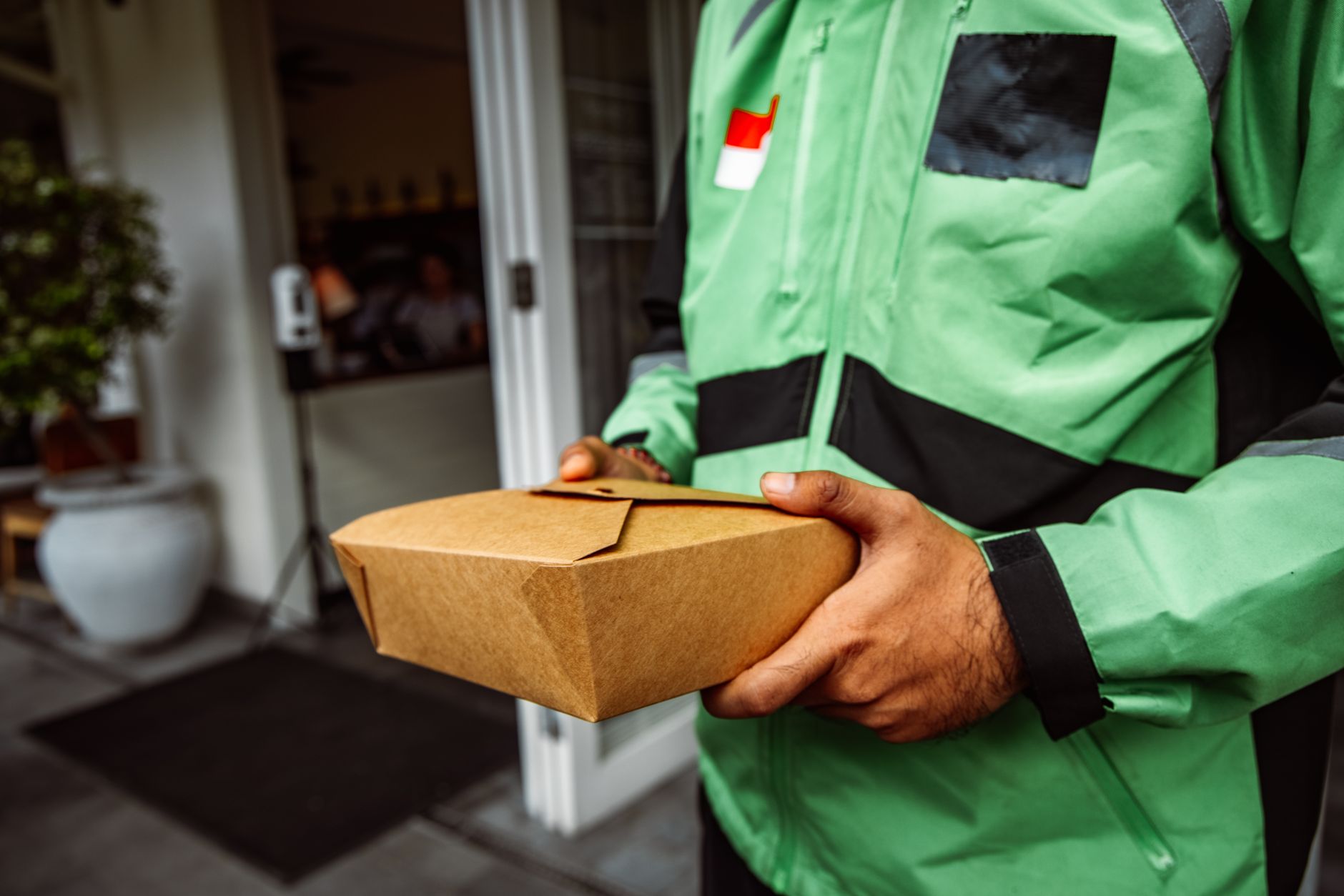
Consumers choose by speed, cost, and tracking. Subscription programs (Amazon Prime, Walmart+) offer free shipping. Same-day services deliver groceries, meals, and retail in hours. Businesses negotiate rates with carriers; zone-based pricing and dimensional weight affect costs. B2B often involves scheduled deliveries, proof of delivery, and specialized handling. White-glove and final-mile services handle large items and installation.
Last-Mile and Parcel Carriers
USPS offers the broadest reach and lowest cost for small parcels; Priority Mail and Ground provide speed options. UPS and FedEx dominate business shipping with tracking, insurance, and reliability. Regional carriers (OnTrac, LaserShip) may offer lower rates in their coverage areas. Dimensional weight (length × width × height ÷ divisor) affects pricing for large, light packages.
Careers in Delivery
Courier and driver roles require a clean driving record and often a vehicle. Package handler positions offer entry-level warehouse work at sorting facilities. Management roles oversee operations and carrier relationships. Gig delivery (DoorDash, Instacart) provides flexibility but no benefits; earnings vary by market and time of day. CDL holders can pursue trucking for long-haul or local delivery.
Same-Day and On-Demand Delivery
DoorDash, Instacart, and Uber Eats deliver meals and groceries in hours. Amazon Prime Now and Walmart+ offer same-day delivery for retail. These services charge delivery fees and often require subscriptions for free delivery. Compare costs to in-store shopping; convenience has a price. For seniors, these services can reduce trips and support aging in place.
Choosing the Right Service
For parcels: compare USPS, UPS, and FedEx by speed, cost, and tracking. For groceries: Instacart, Shipt, and Amazon Fresh serve different regions. For meals: DoorDash, Uber Eats, and Grubhub have overlapping but not identical restaurant coverage. Read reviews and check coverage in your area. Subscription programs (Prime, Walmart+) can save money if you order frequently.
Environmental and Sustainability Considerations
Delivery has an environmental footprint—vehicles, packaging, and last-mile emissions. Some carriers offer carbon-neutral shipping options. Consolidating orders reduces trips. Reusable packaging and reduced packaging programs are growing. For businesses, optimizing routes and using electric vehicles can lower impact. Consumers can choose slower shipping when speed isn't critical—ground shipping often has lower emissions than air.
Industry Trends and Future Outlook
Same-day and next-day delivery have become consumer expectations. Retailers and carriers invest in last-mile solutions—delivery lockers, pickup points, and autonomous vehicles. Sustainability pressures drive electric delivery vans and optimized routing. Labor shortages affect capacity and pricing. For businesses, diversifying carriers and building buffer into timelines reduces risk. For consumers, understanding the trade-offs between speed, cost, and sustainability informs choices.
Packaging and Returns
E-commerce has increased return volumes; many retailers offer free returns to compete. Return logistics—reverse shipping, refurbishment, resale—add cost. Proper packaging protects items in transit; inadequate packaging causes damage and disputes. Track shipments and report issues promptly. Save packaging for returns when possible. Understanding return policies before purchase avoids surprises.
Specialized and Niche Delivery
Medical delivery services transport prescriptions, lab specimens, and medical equipment—often with temperature control and chain-of-custody requirements. Meal kit services (HelloFresh, Blue Apron) deliver pre-portioned ingredients on a schedule. Subscription boxes (clothing, beauty, snacks) arrive monthly or on demand. Furniture and large-item delivery often includes white-glove service—assembly and placement in your home. Understanding the options for your specific needs helps you choose the right service level. Specialized delivery typically costs more but ensures proper handling. Compare carriers and read reviews before committing to recurring deliveries.
The delivery industry continues to evolve with new technologies and business models. Drones and autonomous vehicles are being tested for last-mile delivery. Same-day and next-day expectations have raised the bar for all carriers. For consumers, the abundance of options means you can match the service to your needs—pay for speed when it matters, choose economy when it doesn't. For those considering careers in delivery, the industry offers entry-level opportunities and paths to management. The demand for delivery services shows no sign of slowing. Americans received over 20 billion parcels in 2026; the delivery ecosystem has become essential infrastructure.
The delivery landscape continues to evolve with new players, technologies, and consumer expectations. Whether you're a consumer choosing a service or considering a career in delivery, understanding the options and trade-offs helps you make informed decisions. Speed, cost, and reliability vary widely—match your choices to your priorities. The convenience of modern delivery has reshaped how we shop and live. Subscription programs (Amazon Prime, Walmart+) offer free shipping for frequent shoppers. Compare carriers by speed, cost, and tracking before choosing.