

Hyundai Kona: A Comprehensive Look At Features Pricing and Performance
The Hyundai Kona is a subcompact crossover that punches above its size with bold styling, strong standard features, and an available turbocharged engine. It appeals to urban drivers and small families who want maneuverability and efficiency without sacrificing style. For 2026, the Kona received a redesign with more interior space, updated tech, and an all-electric variant. Here is a comprehensive look at features, pricing, and how it stacks up against the Honda HR-V, Mazda CX-30, and Kia Seltos. The Kona Electric offers up to 261 miles of range, making it one of the most affordable long-range EVs on the market. Whether you choose gas, turbo, or electric, the Kona delivers a compelling package for budget-conscious buyers who refuse to compromise on style.
Trim Levels and Pricing
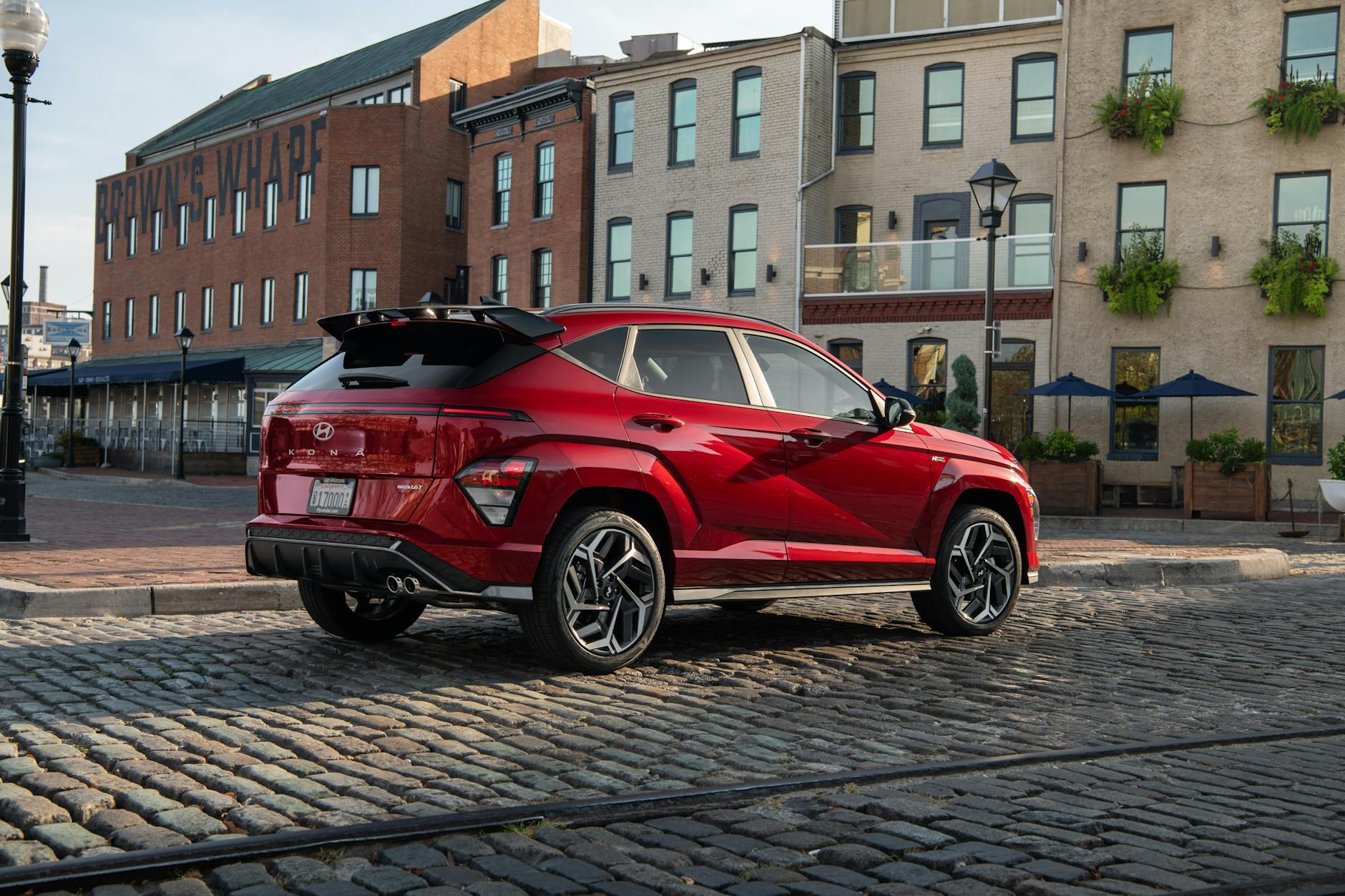
The Kona is offered in SE, SEL, N Line, and Limited trims. Base SE starts in the low $20,000s with a 2.0L four-cylinder (147 hp), front-wheel drive, and an 8-inch touchscreen with wireless Apple CarPlay and Android Auto. SEL adds more convenience features. N Line brings a 190-hp turbo engine and sportier styling. Limited tops the range with leather, premium audio, and advanced safety. The Kona Electric offers up to 261 miles of range for eco-conscious buyers. Pricing spans the low $20,000s to mid-$30,000s depending on trim and powertrain.
Performance and Fuel Economy
The base engine delivers adequate power for city driving; the turbo is more engaging for highway merging and passing. Front-wheel drive is standard; all-wheel drive is available on most trims. EPA ratings for the gas engine are in the high 20s to low 30s mpg. The Electric variant provides instant torque and zero tailpipe emissions. The N Line's turbo transforms the driving experience—worth the upgrade if you enjoy spirited driving. The Electric qualifies for federal tax credits; verify current eligibility as rules change.
Interior and Practicality
The redesigned Kona offers more rear-seat and cargo space than before. The cabin is well-built with intuitive controls. Standard safety features include forward collision avoidance, lane-keeping assist, and driver attention warning. Higher trims add adaptive cruise, blind-spot monitoring, and surround-view camera. The Kona competes with the Honda HR-V, Mazda CX-30, and Kia Seltos. Cargo space is adequate for groceries and weekend gear; larger items may require creative packing. Rear-seat room is sufficient for average-sized adults on short trips. The upright seating position aids visibility.
Who Should Buy the Kona
The Kona suits buyers who want a small, efficient crossover with personality. The turbo and N Line appeal to those who enjoy driving; the Electric variant targets EV shoppers on a budget. Compare cargo space and rear-seat room if you regularly carry passengers or gear—larger compact SUVs offer more space for similar money. Urban dwellers will appreciate the tight turning radius and easy parking. First-time SUV buyers get a manageable size with modern safety and tech.
Ownership Costs and Resale
Factor in insurance, fuel, maintenance, and depreciation when comparing total cost. The Kona's compact size can mean lower insurance rates than larger SUVs. Hyundai's warranty (5-year/60,000-mile bumper-to-bumper, 10-year/100,000-mile powertrain) reduces ownership risk. Resale value is competitive but not best-in-class. The Electric variant may qualify for federal tax credits; check current eligibility. Compare total cost of ownership with the CR-V, CX-30, and Seltos before deciding. Hyundai's complimentary maintenance for the first few years can reduce early ownership costs.
Test Drive and Ownership Tips
Schedule test drives of the Kona and key competitors. Pay attention to rear-seat comfort and cargo space with the seats up and down. Test the infotainment system and driver assists. The N Line's sport-tuned suspension is firmer—try both if you are considering it. For the Electric, verify charging availability at home and your typical routes. The Kona's compact footprint makes it easy to park in urban areas. Read owner reviews for real-world reliability and common issues. The Kona proves that subcompact SUVs can have character and practicality.
The Kona Verdict
The Hyundai Kona offers distinctive style, strong standard features, and competitive value in a compact package. It suits urban drivers who want maneuverability and small families who do not need maximum cargo space. The turbo and N Line trims add performance and sportier styling; the Electric variant appeals to eco-conscious buyers. Compare it to the Honda HR-V, Mazda CX-30, and Kia Seltos. Each has different strengths—the Kona stands out for design and available powertrain choices. Hyundai's warranty and improving reliability make the Kona a sensible choice. If you want a small SUV with personality, put the Kona on your test-drive list.
Safety ratings are strong from the IIHS and NHTSA. Standard safety tech includes forward collision avoidance, lane-keeping, and driver attention warning. The Electric may qualify for federal tax credits; check current eligibility. Resale value is competitive. The Kona proves that compact SUVs can have character. Test-drive multiple trims—including the N Line if you enjoy driving—to find your fit. First-time SUV buyers get a manageable size with modern safety and tech. Urban dwellers will appreciate the tight turning radius and easy parking. The Kona delivers a compelling package for budget-conscious buyers.