

Evolution Of Console Gaming From Retro Classics To Cutting Edge Portables
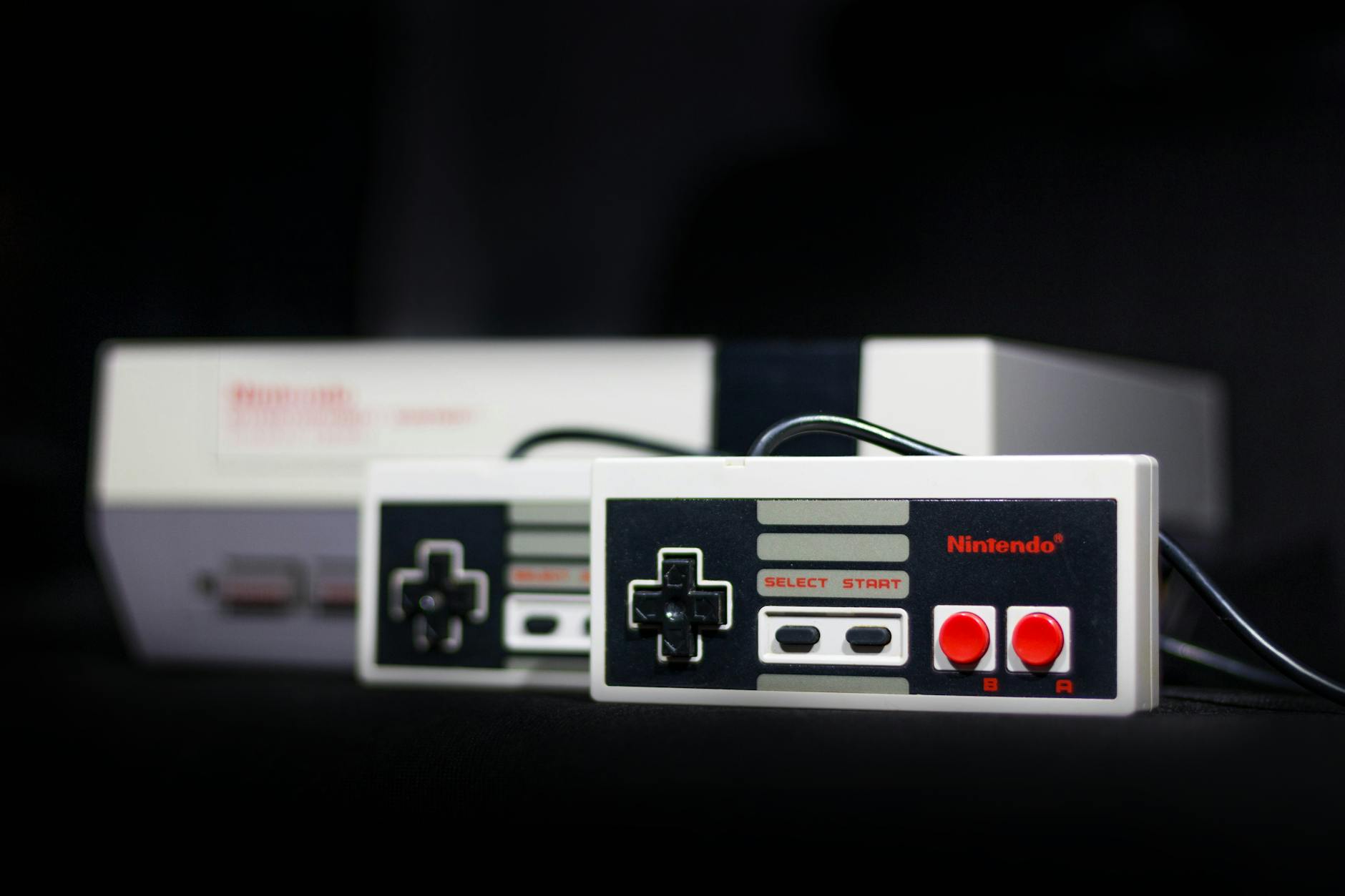
Console gaming has evolved from the pixelated simplicity of the Atari 2600 and NES to the 4K, ray-traced experiences of the PlayStation 5 and Xbox Series X. Handheld gaming has paralleled this journey—from the Game Boy's monochrome Tetris to the Nintendo Switch's hybrid design and the Steam Deck's PC-grade portable power. Retro gaming remains vibrant: emulators, mini consoles (NES Classic, Genesis Mini), and re-releases let players revisit classics. Modern consoles emphasize services—Game Pass, PlayStation Plus—and backward compatibility. The lines between console, PC, and mobile blur as cloud gaming (Xbox Cloud, GeForce Now) and cross-play become standard. Understanding this landscape helps you choose the right platform for your play style and budget.
Current-Gen Consoles and What They Offer
PlayStation, Xbox, and Nintendo
PlayStation 5 delivers exclusive titles (Spider-Man, God of War, Horizon), DualSense haptics, and strong third-party support. The Digital Edition omits the disc drive for a lower price. Xbox Series X/S emphasizes Game Pass—hundreds of games for a monthly fee—and backward compatibility with prior Xbox generations. Series S is a budget 1440p option. Nintendo Switch focuses on first-party games (Zelda, Mario, Pokémon) and portability; the OLED model improves the screen. Choose based on exclusives, ecosystem (friends, existing library), and whether you prefer portability (Switch) or raw power (PS5, Series X).
Handhelds and Portable Gaming
The Steam Deck runs PC games on the go—compatible with Steam's library and many non-Steam titles. It suits players who want desktop games in a portable form. Nintendo Switch remains the king of dedicated handheld gaming with its hybrid dock/portable design. Retro handhelds (Analogue Pocket, Miyoo Mini) play classic cartridges or ROMs with authentic or enhanced displays. Cloud gaming on phones and tablets (via Backbone, Razer Kishi, or touch controls) extends your console library. Consider battery life, screen quality, and game library when choosing a portable.
Retro Gaming and Preservation
Retro gaming preserves and celebrates classic titles. Mini consoles (NES, SNES, Genesis, PlayStation Classic) offer plug-and-play nostalgia with HDMI output. FPGA-based devices (Analogue systems) replicate original hardware for accurate emulation. Software emulators (RetroArch, Dolphin) run on PC and handhelds—check legalities regarding ROMs. CRT monitors and scalers (Retrotink) recreate the look of vintage displays. Collecting original hardware and cartridges has become expensive; repro carts and flash carts offer alternatives. Whether you prefer original hardware or modern convenience, the retro scene has never been more accessible.
Cloud Gaming and the Future
Cloud gaming streams games from remote servers—no local hardware beyond a screen and controller. Xbox Cloud Gaming, NVIDIA GeForce Now, and PlayStation Remote Play let you play on phones, tablets, and low-spec PCs. Latency and image quality depend on your internet connection; fiber or cable with low latency works best. Subscription models (Game Pass Ultimate, GeForce Now Priority) include access to game libraries. Cloud gaming suits casual play and trying games before downloading; competitive players may prefer local hardware for responsiveness. The technology is improving; expect broader adoption as networks and infrastructure advance.
Collecting and preservation: physical game collecting has become expensive for retro titles. Reproductions and flash carts offer access to classic libraries. Emulation preserves games whose original hardware is failing; legalities vary by region and ownership. Museums and archivists work to preserve game history. Whether you're a casual player, collector, or preservationist, the gaming landscape offers something for everyone. Choose platforms and games that fit your lifestyle—gaming should be enjoyable, not a chore to keep up with the latest.
Budget considerations: new consoles cost $300–500; games add $40–70 each. Subscription services (Game Pass, PlayStation Plus) offer hundreds of games for $10–18/month. Used games and sales can cut costs. Handhelds range from $200 (Switch Lite) to $500+ (Steam Deck). Factor in accessories—controllers, storage, carrying cases. Gaming PCs cost more upfront but offer flexibility and often better performance. Set a budget and prioritize: exclusives, portability, or raw power. The best platform is the one you'll actually use.
Backward compatibility and game libraries: Xbox leads in backward compatibility—many Xbox 360 and original Xbox games run on Series X/S. PlayStation offers select PS4 games on PS5. Nintendo's approach varies by title. Building a library takes time; subscription services let you try before you buy. Physical vs. digital: physical discs can be resold but require swapping; digital is convenient but ties you to the platform. Sales (Steam, PlayStation Store, eShop) offer deep discounts on older titles. Consider your existing library when choosing a new console.
Gaming has never offered more choice. Whether you prefer retro classics or cutting-edge experiences, there is a platform and library for you.
Subscription services offer hundreds of games. Physical and digital each have pros and cons. Choose based on your preferences.
Cloud gaming extends your library to phones and tablets. Budget for games and subscriptions. The best platform fits your lifestyle and preferences.
Choose the platform that matches your gaming habits and budget.
The gaming landscape continues to evolve with new hardware and services.
Choose the platform that matches your gaming habits and budget.