

Everything You Need To Know About Braces In The Us Costs Types And Treatment Process
Orthodontic treatment in the U.S. corrects crooked teeth, bite issues, and alignment—for cosmetic and functional reasons. Traditional metal braces, ceramic braces, and clear aligners (Invisalign) are the main options. Costs vary widely: $3,000–7,000 for metal braces; $4,000–8,000 for ceramic; $3,500–8,000 for Invisalign. Insurance often covers children; adult coverage is less common. Treatment length depends on complexity—18–24 months is typical. This guide covers costs, types, and what to expect from treatment. Adults now make up about 25% of orthodontic patients—it's never too late to improve your smile. Treatment can also address functional issues like jaw pain, wear, and difficulty chewing.
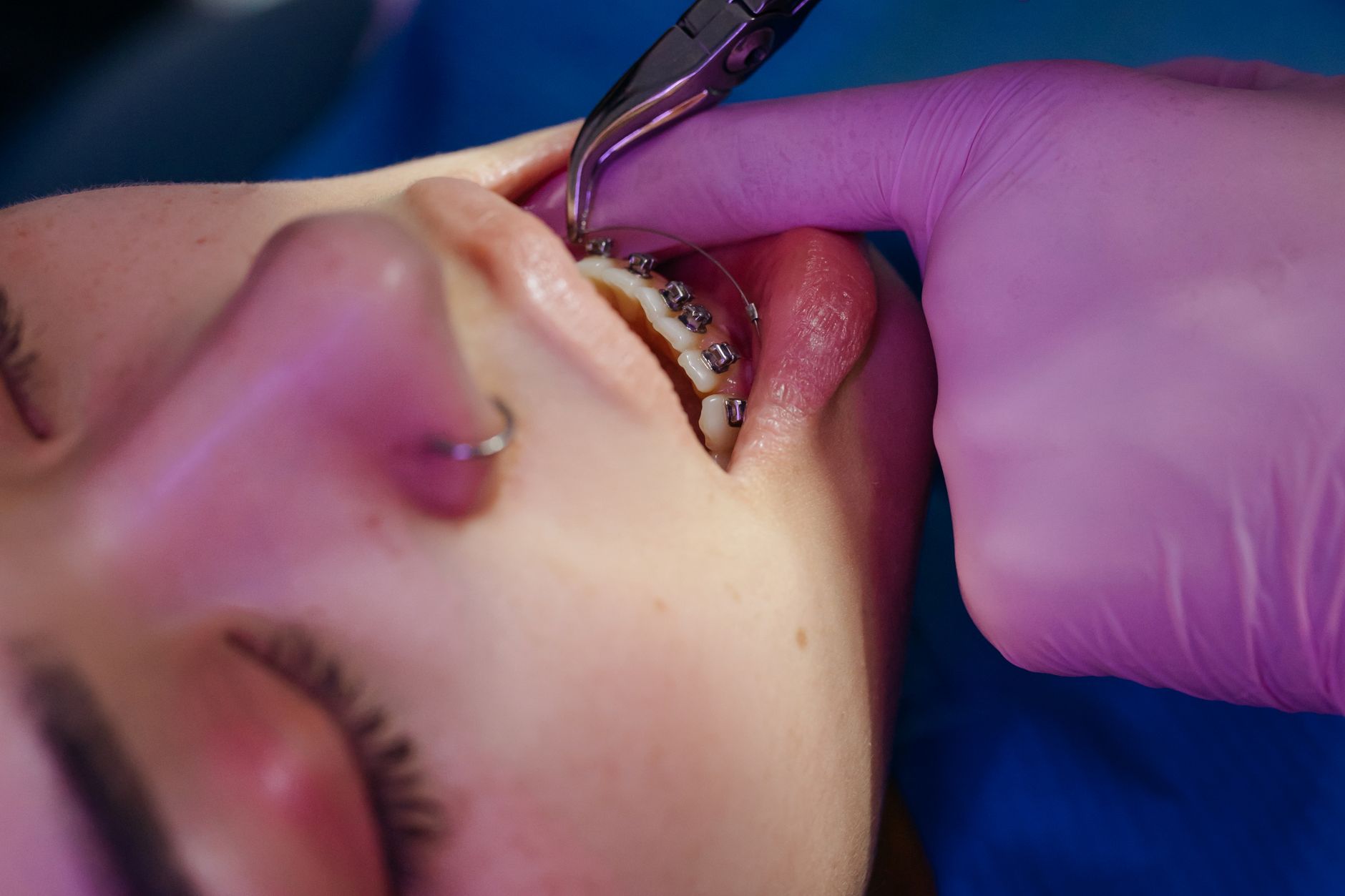
Types of Braces: Metal, Ceramic, and Invisalign
Metal braces use brackets and wires—most durable and cost-effective. Ceramic braces match tooth color and are less visible but can stain and chip. Lingual braces attach to the back of teeth—hidden but more expensive and can affect speech. Invisalign uses clear aligners you remove for eating and brushing; ideal for mild to moderate cases. Severe crowding or bite issues may require traditional braces. Your orthodontist will recommend based on your goals and case complexity. Self-ligating braces (Damon, etc.) use a slide mechanism instead of elastics and may reduce treatment time. Mini braces have smaller brackets for a less noticeable look.
Invisalign: Pros, Cons, and Candidacy
Invisalign appeals to adults who want discreet treatment. You wear aligners 20–22 hours daily; change every 1–2 weeks. Must be disciplined—removing for meals only means treatment stays on track. Not suitable for everyone: complex rotations, severe crowding, or significant bite issues may need braces. Attachments (tooth-colored bumps) help with certain movements. Cost is comparable to braces in many cases. Check if your orthodontist is a certified provider—experience matters. Invisalign Lite and Express treat milder cases at lower cost. Competitors like SmileDirectClub and Candid offer at-home options but lack in-person oversight—best for very simple cases.
Costs and Insurance
Orthodontic costs vary by region and provider. Urban areas often charge more. Many practices offer payment plans—monthly installments over the treatment period. Insurance: children's orthodontics is often covered up to a lifetime cap ($1,500–2,000 common); adult coverage is rarer. FSAs and HSAs can be used for orthodontics. Get quotes from 2–3 orthodontists; compare total cost, including retainers (post-treatment). Retainers are essential—they cost $200–500 and prevent relapse. Some practices offer discounts for upfront payment. CareCredit and similar financing can spread cost interest-free for 12–24 months. Ask what's included: consultations, X-rays, and emergency visits may or may not be in the quoted price.
Treatment Timeline and Process
Initial consultation includes X-rays, impressions or scans, and a treatment plan. For braces, adjustments every 4–8 weeks tighten wires. For Invisalign, you receive aligner sets and check in every 6–8 weeks. Treatment length: 18–24 months for most; complex cases can take 30+ months. Retention is lifelong—wear retainers as directed or teeth can shift back. Discomfort is normal after adjustments; over-the-counter pain relievers help. Digital scans are replacing traditional impressions at many practices—faster and more comfortable. Phase 1 treatment (ages 7–10) addresses jaw growth; Phase 2 (teens or adults) aligns teeth. Some cases need both phases.
Choosing an Orthodontist
Look for an orthodontist (not a general dentist) for comprehensive treatment. Orthodontists complete 2–3 years of specialized training after dental school. Check credentials and reviews; ask about experience with your type of case. Invisalign providers have levels—Diamond and above indicate high volume. Get a written treatment plan and cost estimate before signing. Consider location—you'll visit every 4–8 weeks for the duration of treatment. Some general dentists offer Invisalign; for complex cases, an orthodontist is preferred. Board certification indicates additional voluntary credentialing. Ask about their approach to retention—how they prevent relapse after treatment.
Life During Treatment
With braces, avoid sticky and hard foods—they can break brackets. Brush and floss carefully; orthodontic tools (floss threaders, water flossers) help. With Invisalign, remove aligners to eat and brush; wear 20–22 hours daily for best results. Both options require commitment—skipping retainer wear or aligner time leads to relapse. Plan for occasional emergencies—loose brackets or lost aligners—and know your orthodontist's policy. Wax can ease bracket irritation. Rinses and special toothbrushes help with hygiene around braces. Lost Invisalign aligners may require ordering replacements—wear the previous set if you have it.
Adult Orthodontics Considerations
Adults may have different concerns: gum health, existing restorations, bone density. Your orthodontist will evaluate gum health first. Existing crowns or implants may affect the plan. Adults may need longer treatment. Invisalign is popular for its aesthetics. Discuss goals and concerns openly at the consultation.
Orthodontic treatment can improve oral health beyond aesthetics. Straight teeth are easier to clean and less prone to decay. Proper bite alignment reduces wear and jaw strain. The investment often pays off in long-term dental health.
Retainers are critical after treatment. Teeth can shift back without them. Most orthodontists recommend wearing retainers at night indefinitely. Permanent retainers bonded to the back of teeth are an option for lower front teeth. Follow your orthodontist retention plan to protect your investment.
Schedule consultations with multiple orthodontists to compare treatment plans and costs. Different providers may recommend different approaches. Get written estimates. Ask about what happens if treatment takes longer than expected. Choose a provider you feel comfortable with for the duration of treatment.