

Crafting Love: The Art Of Custom Engagement Rings
Custom engagement rings offer a unique way to symbolize your commitment—incorporating personal meaning, preferred gemstones, and design elements that reflect your partner's style. While mass-produced rings dominate jewelry stores, working with a custom jeweler or using online design tools allows you to create a one-of-a-kind piece. The process involves choosing a setting, selecting or sourcing a stone, and refining details until the ring matches your vision. Unlike off-the-rack options, custom work lets you honor family heirlooms, incorporate cultural motifs, or design around a specific stone you've sourced.
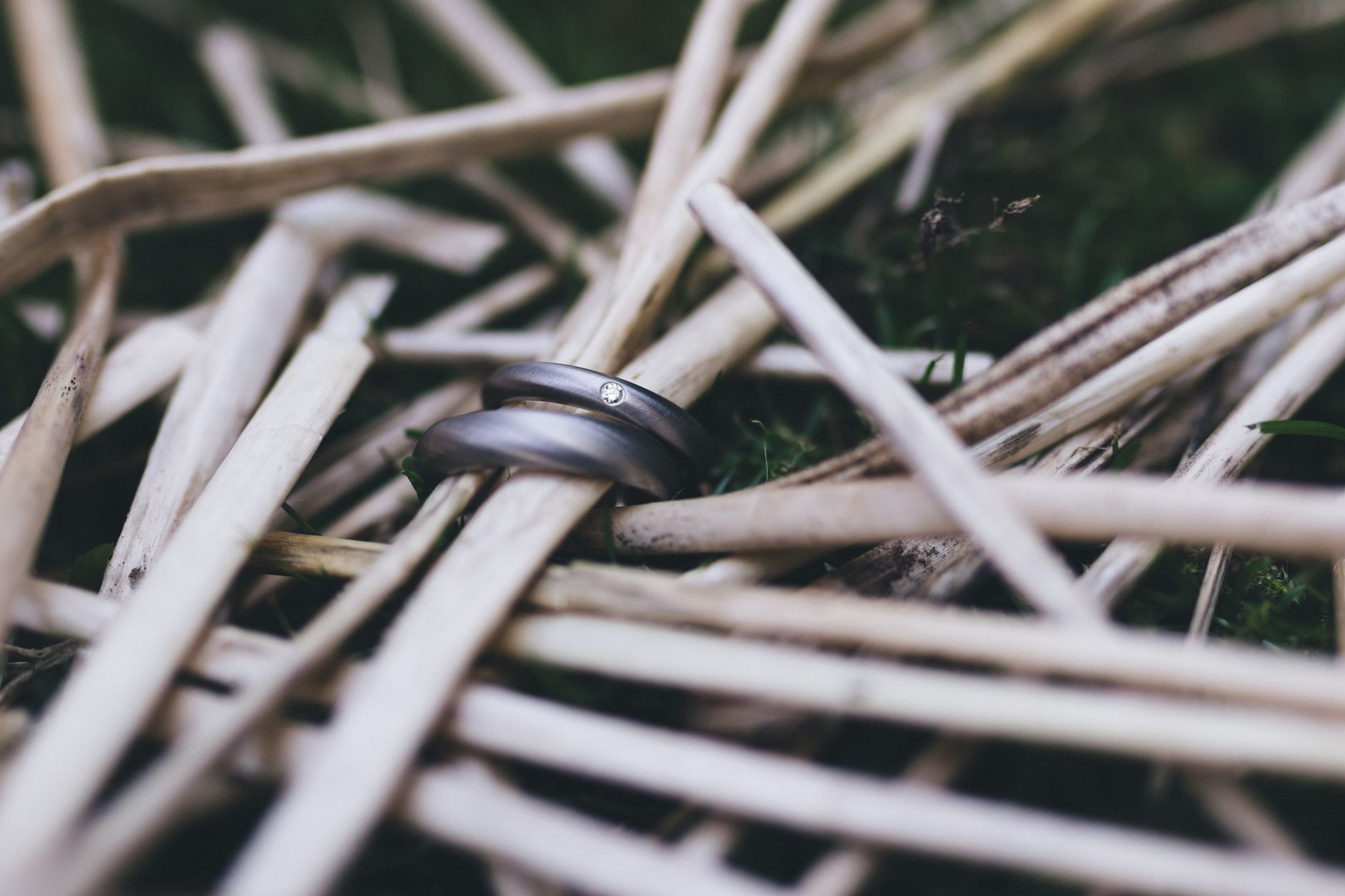
Why Choose a Custom Ring
Custom rings let you incorporate meaningful elements: birthstones, heirloom stones, or design motifs that tell your story. You control the quality of materials—metal purity, diamond cut and clarity, or alternative gems like sapphires or moissanite. Sizing and proportions can be tailored for comfort and aesthetics. Many couples find the collaborative process meaningful, and the result is a ring no one else will have. Custom work also allows you to accommodate unusual finger shapes, allergies (e.g., nickel-free alloys), or occupational needs such as low-profile settings for healthcare workers who wear gloves.
The Design Process
Start by gathering inspiration—Pinterest, Instagram, or photos of rings you like. Share these with your jeweler. Discuss budget early; custom work typically costs 10–30% more than off-the-rack but can be comparable if you choose simpler designs. The jeweler will create sketches or 3D renderings for approval. Wax or digital models allow you to see the ring before casting. Production usually takes 2–6 weeks depending on complexity. For online services like CustomMade or With Clarity, you'll work through virtual consultations and receive 3D previews before production. Some jewelers offer in-person design sessions where you can view stone options and try on similar styles.
Stone and Metal Options
Diamonds remain popular, but lab-grown diamonds offer the same look at lower cost—often 30–40% less than mined stones with identical optical properties. Moissanite provides brilliance and durability at a fraction of the price; it ranks 9.25 on the Mohs scale and exhibits more fire than diamond. Colored gemstones—sapphire, ruby, emerald—add personality; ensure they are hard enough for daily wear (sapphire and ruby rate 9 on the Mohs scale; emerald is softer at 7.5–8). Platinum and 14K or 18K gold are standard for durability. Rose and white gold offer aesthetic variety; 14K is more durable than 18K for active wearers.
Working With Jewelers
Local independent jewelers often excel at custom work and can provide hands-on design consultations. Online services like CustomMade, With Clarity, or James Allen offer design tools and virtual consultations. Get quotes from multiple sources. Ask about warranties, return policies, and revision options. Ensure the jeweler provides certification for diamonds (GIA, AGS) and explains the 4Cs if you choose a diamond. Request to see previous custom work and read reviews. A reputable jeweler will never pressure you and will explain trade-offs between cost, durability, and aesthetics.
Timeline and Budget Planning
Custom rings typically take 4–8 weeks from design approval to completion. Rush orders may be possible for an extra fee—plan for at least 2 weeks even for expedited work. Set a budget before you start—custom work can range from $1,500 to $15,000+ depending on materials and complexity. Allocate 50–60% for the stone and 40–50% for the setting. Communicate your budget to the jeweler; they can suggest options that fit. Consider lab-grown diamonds or alternative stones to stretch your budget without sacrificing quality or appearance. Factor in resizing costs if your partner's size may change.
Ensuring Quality and Authenticity
Request certification for diamonds (GIA or AGS preferred). For colored stones, ask about origin and treatment disclosure—heat treatment is common for sapphires and rubies. Ensure the metal is properly hallmarked (e.g., 14K, 18K, PT for platinum). Get a written description of materials and a warranty. Reputable jewelers stand behind their work with repair or replacement policies. Read reviews and ask for references. A custom ring is an investment—choose a jeweler with a solid reputation. Avoid jewelers who cannot provide documentation or who pressure you to skip certifications.
Practical Tips for the Proposal
If you're designing in secret, use a friend's ring size or trace their finger while they sleep—or propose with a placeholder ring and design the final piece together. Many couples now design the ring collaboratively, which ensures the recipient loves the result. If using an heirloom stone, have it inspected for damage or wear before setting. Store the ring in a secure, climate-controlled location until the proposal. Consider insurance—custom rings should be appraised and added to your homeowner's or renter's policy.
Caring for Your Custom Ring
Custom rings require the same care as any fine jewelry. Remove your ring when doing heavy work, swimming, or applying lotions. Clean it periodically with a soft brush and mild soap; avoid harsh chemicals. Have prongs and settings checked annually by a jeweler to prevent stone loss. Store the ring in a soft pouch or box when not worn. If the ring gets damaged, return to your original jeweler when possible—they know the construction and can repair it properly. With proper care, a well-made custom ring can last generations.