

Conquer Nail Fungus Effective Treatments Prevention
Nail fungus (onychomycosis) affects 10% of adults—thickened, discolored, brittle nails that can be painful and embarrassing. Treatment options include oral terbinafine (most effective), topical antifungals, and laser therapy. Prevention matters: keep feet dry, wear breathable shoes, avoid walking barefoot in shared spaces. Over-the-counter options have limited efficacy; prescription treatments work better but require patience—nails take months to grow out. This guide covers effective treatments and prevention strategies. Toenails grow slowly—about 1 mm per month—so even successful treatment takes 6–12 months to show full results. Fingernails grow faster and may clear in 3–6 months.
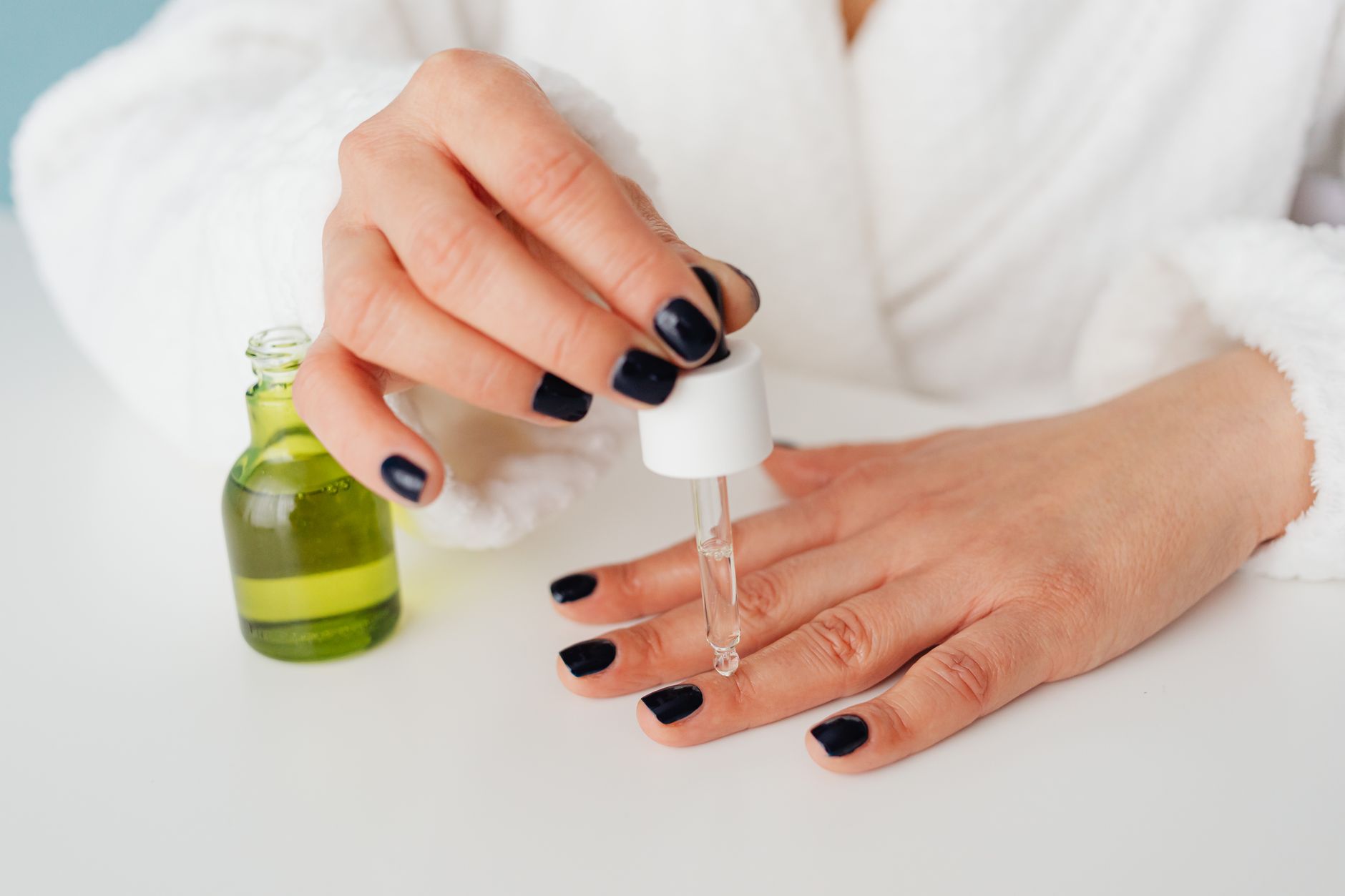
Oral Terbinafine: The Gold Standard
Terbinafine (Lamisil) is an oral antifungal with cure rates of 70–80% for toenail fungus. Typical course: 250 mg daily for 6–12 weeks (fingernails) or 12–16 weeks (toenails). Requires a prescription; your doctor may order liver function tests before and during treatment—terbinafine can rarely cause liver issues. Not recommended for those with liver disease or certain medications. Itraconazole is an alternative for those who can't take terbinafine. Both work by killing the fungus as new nail grows in. Itraconazole is sometimes given in pulse therapy—one week on, three weeks off—which may reduce side effects. Report any symptoms of liver problems (yellowing skin, dark urine, fatigue) immediately.
Topical Treatments
Ciclopirox (Penlac) and efinaconazole (Jublia) are prescription topical treatments. They're less effective than oral meds—cure rates around 15–30%—but avoid systemic side effects. Apply daily for 12–48 weeks. Over-the-counter options (tea tree oil, Vicks VapoRub) have limited evidence; some people report improvement. For mild cases or early infection, topical may be worth trying before oral treatment. Combine with nail debridement—trimming and filing—to reduce fungal load. Topical treatments work best when the infection hasn't reached the nail matrix. Apply to the nail and surrounding skin as directed; consistency is key. Some podiatrists offer in-office debridement to improve topical penetration.
Laser and Other Options
Laser therapy targets the fungus with light energy. Multiple sessions—often 4–6—are typical. Evidence is mixed; some studies show improvement, others show limited benefit. FDA approval exists for certain devices, but insurance rarely covers it. Cost: $200–500 per session. Photodynamic therapy and nail debridement with topical treatment are alternatives. For severe, resistant cases, nail removal may be considered—rarely necessary. Laser may be appealing for those who can't take oral antifungals. Ask about the specific device and protocol—not all clinics use the same technology. Results vary; some patients see improvement, others do not.
Prevention Strategies
Keep feet dry: change socks after sweating, use antifungal powder. Wear breathable shoes; avoid tight, closed-toe shoes for long periods. Don't go barefoot in gyms, pools, or locker rooms. Use flip-flops in shared showers. Don't share nail clippers or files. Treat athlete's foot promptly—it can spread to nails. Trim nails straight across; avoid trauma that can create entry points. If you have diabetes, nail fungus increases infection risk—seek care early. Wear moisture-wicking socks; avoid cotton when possible. Disinfect nail tools after each use; replace files regularly. If you're prone to fungal infections, consider antifungal spray for shoes.
When to See a Doctor
See a dermatologist or podiatrist if you have diabetes, a weakened immune system, or persistent pain. Over-the-counter treatments rarely cure established infection—they may improve appearance slightly but not eliminate the fungus. Early treatment improves outcomes; waiting allows the infection to spread. Your doctor can confirm the diagnosis (sometimes fungal culture is needed) and prescribe the right treatment. Recurrence is common—up to 25%—so prevention remains important after treatment. A fungal culture can take 2–4 weeks but confirms the diagnosis and identifies the organism. Not all nail changes are fungal—psoriasis, trauma, and other conditions can mimic it.
Home Remedies and Evidence
Tea tree oil, vinegar soaks, and Vicks VapoRub have anecdotal support but limited clinical evidence. A small study suggested tea tree oil may help mild cases. These options are low-risk and inexpensive—worth trying for early or mild infection if you prefer to avoid prescription drugs. If you see no improvement after 2–3 months, move to prescription treatment. Dilute tea tree oil with a carrier oil to avoid skin irritation. Vinegar soaks (one part vinegar to two parts water) may help create an inhospitable environment for fungus. Don't rely on home remedies for severe or spreading infection.
Combining Treatments
Some podiatrists recommend combining oral terbinafine with topical treatment for stubborn cases. Nail debridement reduces thickness and improves topical penetration. Laser therapy can be combined with topical treatment. Discuss combination approaches with your provider.
Treatment success depends on compliance. Take oral medication as prescribed for the full course. Apply topical treatments daily without skipping. Nail growth is slow; visible improvement takes months. Patience and consistency are essential.
After treatment, continue prevention measures to avoid recurrence. Wear breathable shoes and moisture-wicking socks. Use antifungal powder in shoes. Avoid walking barefoot in public areas. Treat any athlete foot promptly. Reinfection is common; ongoing vigilance helps maintain clear nails.
Discuss treatment options with your doctor based on your health history. Terbinafine interacts with some medications. Topical treatment may be preferred if you have liver concerns. Your doctor can help you choose the safest and most effective approach for your situation.