

Choosing The Right Roofing Material Costs Options Expert Installation Tips
Your roof protects your home from weather, insulates against heat and cold, and contributes significantly to curb appeal and resale value. Choosing the right material involves balancing cost, durability, climate suitability, and aesthetics. Asphalt shingles dominate the U.S. market—affordable, widely available, and suitable for most climates. Architectural (dimensional) shingles offer better wind resistance and a more textured look than 3-tab. Metal roofing—standing seam or metal shingles—lasts 40–70 years, reflects heat, and suits fire-prone and high-wind regions. Slate and clay tiles are premium options with 75–100+ year lifespans but require strong framing. Synthetic slate and cedar shakes mimic high-end looks at lower cost. Flat and low-slope roofs typically use modified bitumen, EPDM rubber, or TPO/PVC membranes.
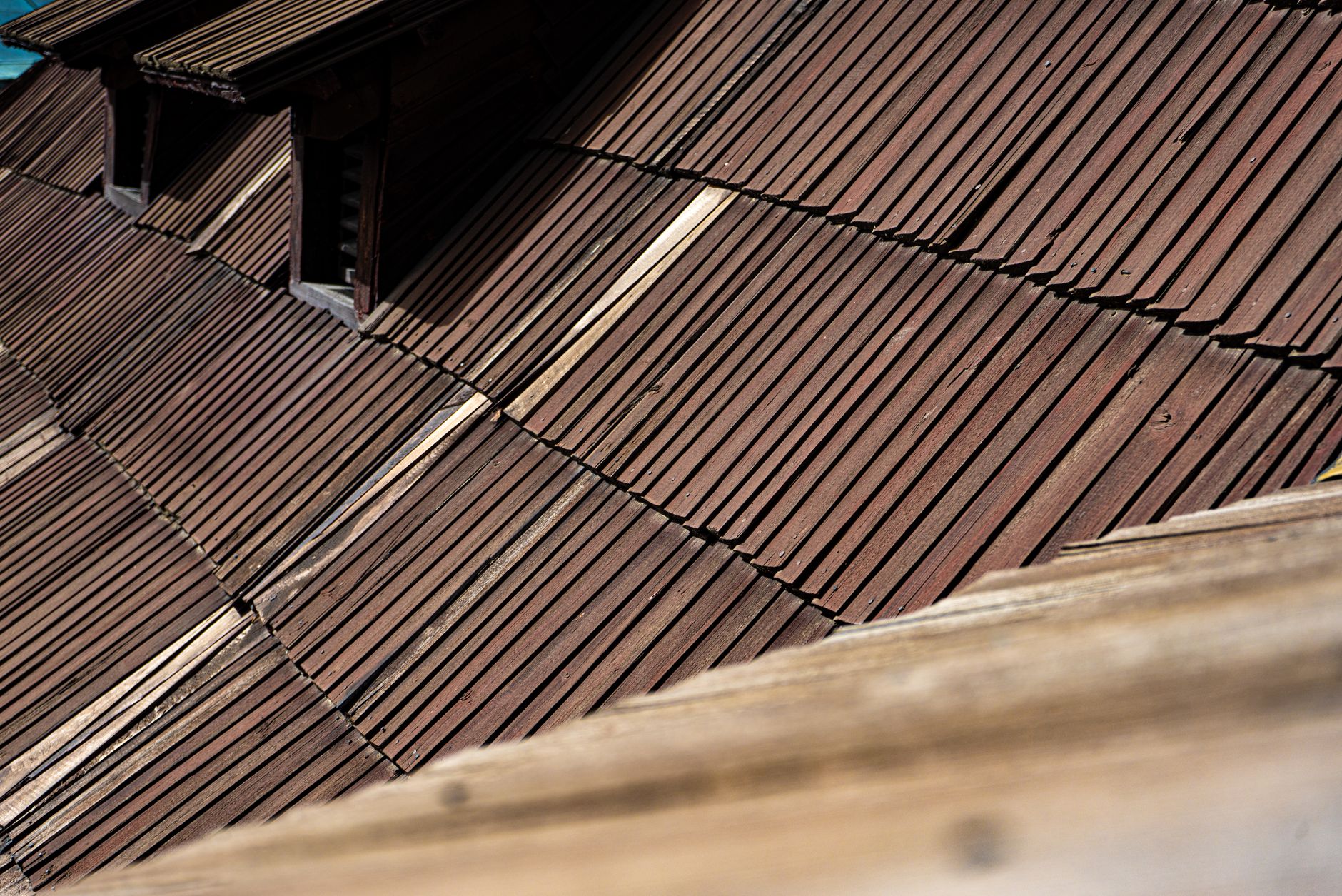
Material Costs and Lifespan
Budget to Premium Options
Asphalt shingles: $3–7 per square foot installed; 15–30 year lifespan. Architectural shingles cost more than 3-tab but last longer. Metal: $7–15 per square foot; standing seam is pricier than exposed-fastener panels. Clay and concrete tiles: $10–20 per square foot; concrete is cheaper than clay. Slate: $15–30+ per square foot; natural slate costs more than synthetic. Wood shakes: $8–14 per square foot; require fire treatment in many areas. EPDM and TPO for flat roofs: $4–8 per square foot. Labor typically accounts for 40–60% of total cost. Get at least three written quotes; compare materials, warranties, and workmanship guarantees.
Climate and Regional Considerations
In hurricane and high-wind zones, choose materials rated for 110+ mph (e.g., architectural shingles with enhanced adhesive, metal with concealed fasteners). In hail-prone areas, impact-resistant shingles (Class 3 or 4) may qualify for insurance discounts. Hot, sunny climates benefit from reflective (cool) roofs—metal, light-colored tiles, or reflective coatings—which reduce cooling costs. Heavy snow regions need adequate slope and ice dam protection (ice and water shield at eaves). Coastal areas face salt corrosion; aluminum and galvanized steel hold up better than some metals. Local building codes may restrict materials; HOA rules can limit color and style choices.
Hiring the Right Installer
Licensed, insured contractors are non-negotiable. Verify workers' compensation and liability coverage. Check references and online reviews; ask to see recent projects. Manufacturer certifications (e.g., GAF Master Elite, CertainTeed SELECT) indicate trained installers who can offer enhanced warranties. Avoid door-to-door storm chasers; legitimate contractors don't pressure you to sign immediately. Get a detailed written contract: scope, materials (brand and model), timeline, payment schedule, and cleanup. Never pay more than 10–30% upfront. Ensure proper ventilation—poor attic airflow shortens shingle life. Inspect the work before final payment: proper flashing, drip edge, and no visible defects. A quality installation matters as much as the material choice.
Warranties and Long-Term Value
Manufacturer warranties cover material defects—typically 20–50 years for shingles, lifetime for some metal and slate. Workmanship warranties from installers cover installation errors, usually 1–10 years. Read both carefully: prorated vs. non-prorated, transferability to the next owner, and exclusions (e.g., wind damage above a certain speed). Some manufacturers offer enhanced warranties when you use certified installers. Document the installation with photos and keep records of materials used. Proper attic ventilation is often a warranty requirement—poor ventilation can void coverage. A roof is a long-term investment; the cheapest option may cost more over time if it fails early or requires frequent repairs.
Energy efficiency is increasingly important. Cool roofs (reflective surfaces) reduce cooling loads in hot climates—look for Energy Star or Cool Roof Rating Council labels. Some utilities offer rebates for cool roof installation. Insulation and ventilation work with the roof system; a well-insulated attic reduces heat transfer and ice dam risk. Consider solar readiness: if you might add panels later, certain roof types (metal, standing seam) simplify mounting. Architectural shingles with a higher profile can accommodate solar without penetrations in some designs. Discuss future plans with your contractor.
Replacement vs. repair: if damage is localized (a few missing shingles, a small leak), repair may suffice. Widespread wear, multiple leaks, or age near the end of lifespan usually warrant replacement. A second opinion can help—some contractors push replacement when repair would work. Get written estimates for both options. During replacement, ask about reusing or recycling old materials; asphalt shingles can sometimes be recycled. Plan for the project: roofing is noisy and may require moving vehicles or protecting landscaping. Schedule during dry weather.
Insurance and storm damage: after hail or wind events, get a professional inspection before filing a claim. Some damage isn't visible from the ground. Document everything with photos and dates. Your insurer may cover replacement if damage meets the policy threshold. Be cautious of contractors who offer to handle the insurance process—some engage in fraud. Get your own estimates and work with your adjuster. Depreciation may be withheld until work is completed. Understand your deductible and how it applies. A new roof can also improve your home's insurability in some markets.
Get at least three quotes, verify licensing and insurance, and never pay in full upfront. A quality roof protects your biggest investment for decades.