

Caring for Others: Nursing Caregiving Careers
Nursing and caregiving careers in the U.S. span RN, LPN, CNA, and home health aide roles—each offering distinct responsibilities, education requirements, and earning potential. The Bureau of Labor Statistics projects 6% growth for registered nurses through 2032, driven by an aging population, chronic disease management, and healthcare expansion. Salaries range from approximately $30,000 for home health aides to $80,000+ for experienced RNs, with geographic and setting variations. Flexible schedules, part-time options, and shift differentials (nights, weekends) make these careers accessible to those balancing family or other commitments. Understanding the pathways, certifications, and day-to-day realities helps you choose the right role and prepare for the demands—both rewarding and challenging—of caring for others. The healthcare sector employs over 18 million workers in the U.S.; nursing and direct care roles form the backbone of patient care. Whether you seek a quick-entry CNA role or a long-term RN career, the demand for compassionate, skilled caregivers is robust and growing.
Career Paths and Education Requirements
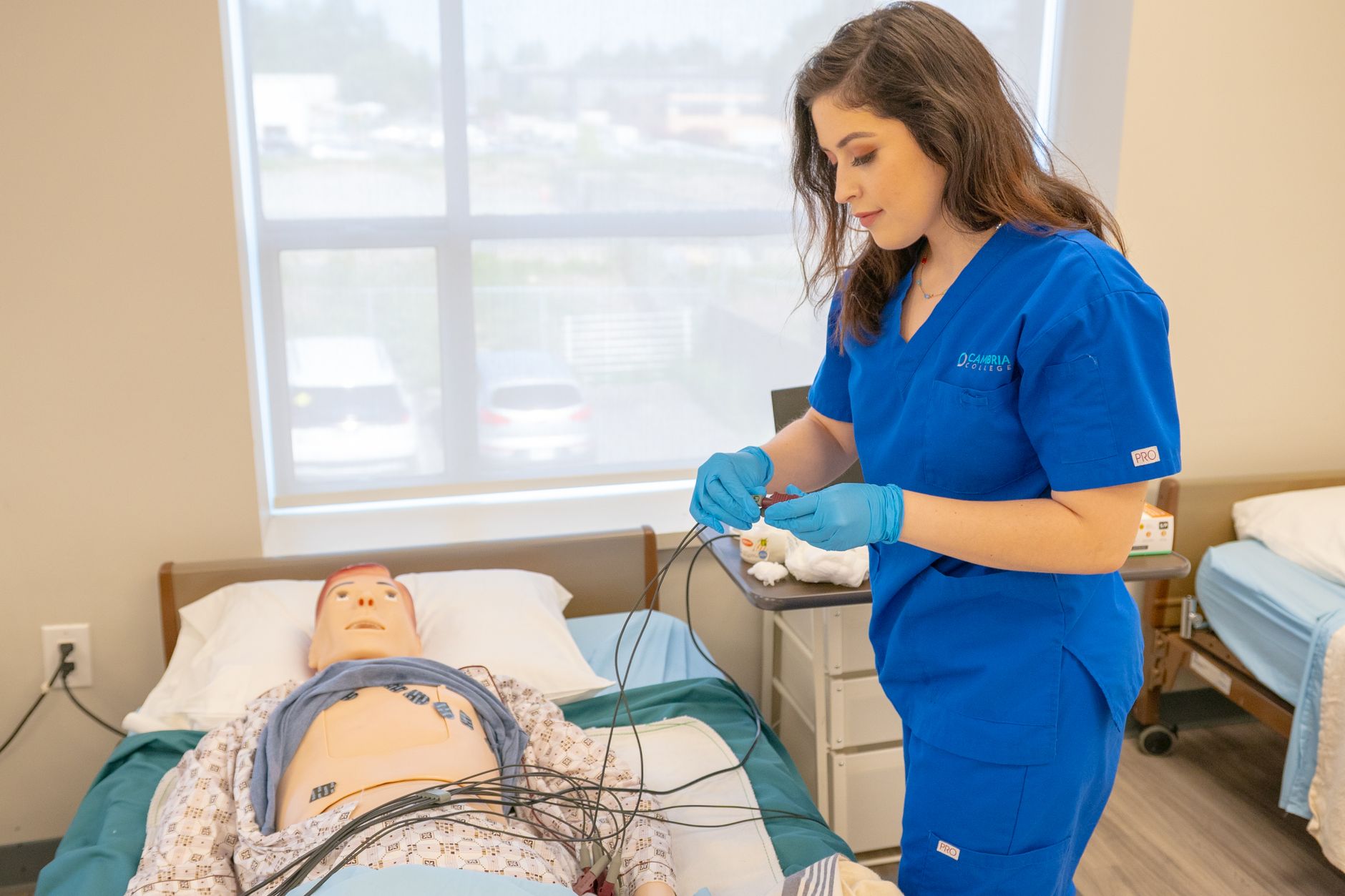
Certified Nursing Assistants (CNAs) complete state-approved programs in 4–12 weeks, covering basic nursing skills, infection control, patient rights, and clinical hours. Costs range from $500–$2,000; some employers cover training in exchange for employment commitments. Licensed Practical Nurses (LPNs) require 12–18 months of training at vocational schools or community colleges. Registered Nurses need an Associate Degree in Nursing (ADN, 2 years) or Bachelor of Science in Nursing (BSN, 4 years); hospitals increasingly prefer BSN graduates for direct care roles. Advanced practice roles—Nurse Practitioner (NP), Certified Registered Nurse Anesthetist (CRNA), Clinical Nurse Specialist—require graduate education and national certification.
CNA vs. LPN vs. RN: Scope and Responsibilities
CNAs provide hands-on care: bathing, dressing, feeding, mobility assistance, and vital signs. They work under RN or LPN supervision and spend the most direct time with patients in nursing homes and hospitals. LPNs administer medications, perform wound care, and manage basic nursing tasks; they cannot independently assess or create care plans. RNs assess patients, develop care plans, coordinate with physicians, and supervise CNAs and LPNs. RNs also perform complex procedures, manage IVs, and make critical decisions. Scope varies by state; some states allow LPNs to start IVs or administer certain medications. The career ladder is clear: CNA experience strengthens RN school applications; LPNs can bridge to RN with additional education. Many nurses start as CNAs to test their fit before committing to longer training.
Work Settings and Opportunities
Hospitals offer acute care, higher acuity, and often higher pay—but 12-hour shifts and rotating schedules. Nursing homes and skilled nursing facilities provide long-term care; demand is strong but staffing ratios can be challenging. Home health allows one-on-one care, flexible scheduling, and travel between clients; reimbursement models affect pay structures. Outpatient clinics, schools, and corporate wellness offer more predictable hours. Travel nursing places RNs in short-term assignments (8–26 weeks) nationwide with premium pay and housing stipends; agencies like Aya Healthcare and AMN Healthcare coordinate placements.
Burnout, Self-Care, and Career Sustainability
Caregiving involves physical demands (lifting, standing, bending) and emotional intensity—witnessing decline, supporting families, and managing loss. Burnout is common; self-care and boundaries matter. Use proper body mechanics and assistive equipment to prevent back injuries. Take breaks, set limits on overtime, and seek support through employee assistance programs or peer groups. Many find deep meaning in the work; the relationships and gratitude from patients and families sustain them through difficult moments. Nursing is consistently ranked among the most trusted professions; the work offers purpose beyond paycheck. Employers increasingly offer wellness programs, mental health support, and flexible scheduling to retain staff in a competitive labor market.
Licensure and Certification Requirements
CNAs must pass a state competency exam (written and skills) after completing an approved program. Background checks are typically required; some states bar applicants with certain criminal convictions. LPNs and RNs take the NCLEX exam (NCLEX-PN for LPNs, NCLEX-RN for RNs) for licensure. Compact state licensure (eNLC) allows RNs to practice in 39 participating states without obtaining a separate license—valuable for travel nurses and those who may relocate. License renewal requires continuing education in most states; stay current on your state board's requirements.
Getting Started and Next Steps
Research CNA programs at community colleges and vocational schools; check if your state offers training grants. Shadow or volunteer at a nursing home to experience the work before committing. For RN aspirations, compare ADN and BSN programs—BSN opens more doors long-term and is required for many Magnet hospitals. Compact state licensure (eNLC) enables multi-state practice for RNs. The demand for caregivers will only grow; job security in this field is strong. Wages are rising in many regions due to shortages; benefits and sign-on bonuses are increasingly common. Consider your timeline: CNA training takes weeks; RN programs take years—plan accordingly. The path you choose today can lead to advancement tomorrow; many nurse leaders began as CNAs or LPNs.
Nursing and caregiving offer more than a paycheck—they provide meaningful work that directly improves lives. Whether you're drawn to the hands-on care of a CNA, the clinical skills of an RN, or the independence of home health, there is a path that fits your goals and circumstances. The aging population and healthcare expansion ensure that skilled caregivers will be in demand for decades to come. Take the first step: research programs, talk to current nurses, and consider where you want to make a difference.