

Building Bonds How Seniors Enhance Each Others Lives
Social connection among older adults reduces isolation, supports cognitive health, and is linked to lower rates of depression and better physical outcomes. The U.S. Surgeon General has declared loneliness and social isolation a public health crisis, with seniors at particular risk. Senior centers, faith communities, and volunteer programs like RSVP (Retired and Senior Volunteer Program) create opportunities for engagement. Intergenerational programs pair seniors with youth for mentoring, tutoring, or shared activities—benefiting both generations. Villages and NORCs (Naturally Occurring Retirement Communities) enable neighbors to support each other through volunteer networks. Research shows that strong social ties can add years to life and life to years.
Programs That Foster Connection
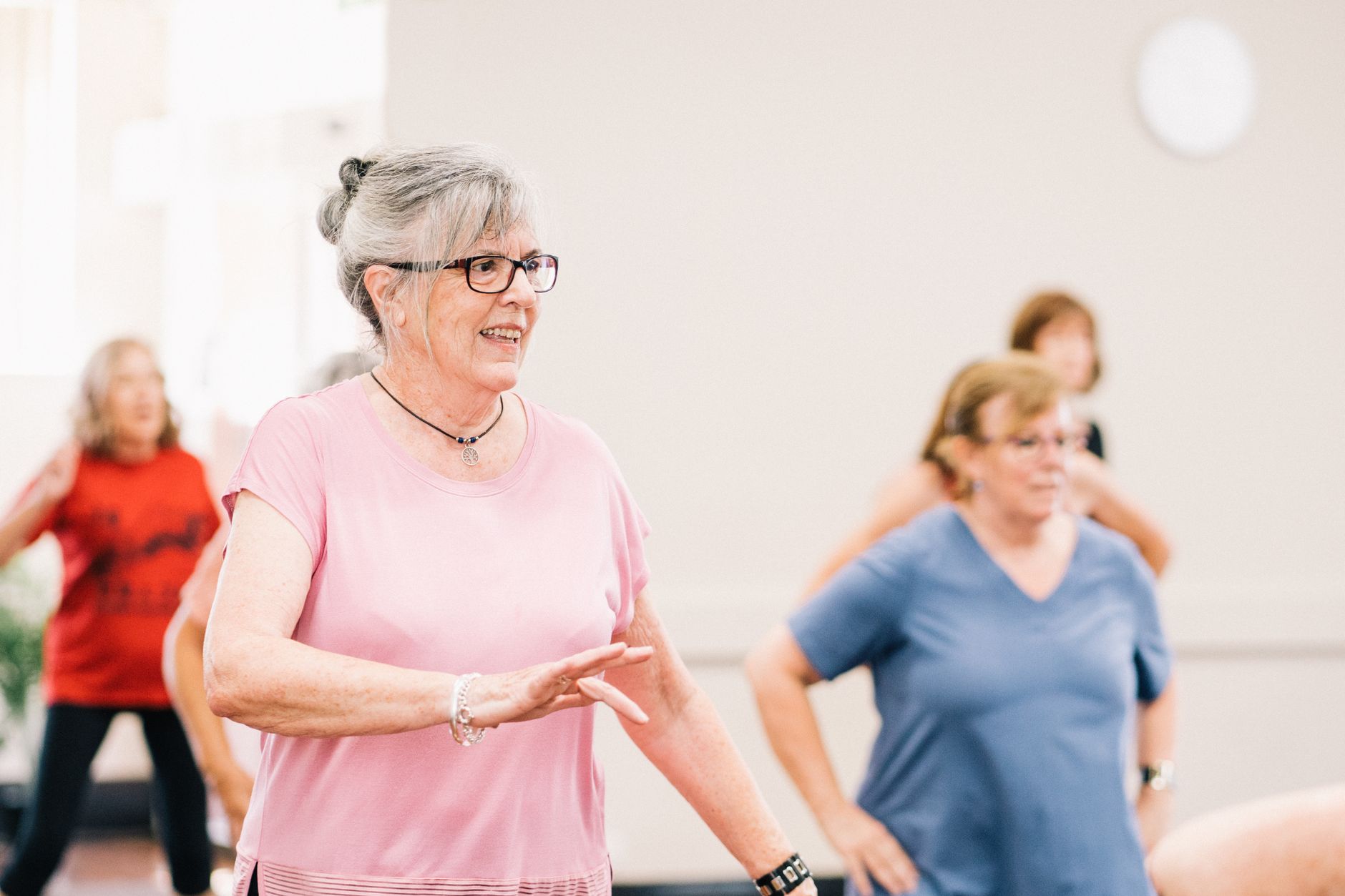
Senior centers offer classes (exercise, art, technology), meals, and social activities; many are funded through Area Agencies on Aging. Find one near you via the National Institute of Senior Centers or your local AAA. Villages are member-driven organizations that coordinate volunteers to help with rides, errands, and social events—members support each other. NORCs are communities where many residents have aged in place; programs provide services and social opportunities. Online communities and video calls help those with mobility limitations stay connected; libraries and senior centers often offer technology training.
Volunteering and Meaningful Engagement
RSVP connects adults 55+ with volunteer opportunities in their communities. Experience Corps places older adults in schools as literacy tutors. Foster Grandparent and Senior Companion programs provide stipends for eligible volunteers. Volunteering offers purpose, structure, and social contact. Faith communities often have senior ministries, visitation programs, and fellowship groups. Hobby groups—gardening, book clubs, bridge—create regular touchpoints. Consider what you enjoy and what your community needs; even a few hours a week can make a difference.
The Role of Caregiving and Mutual Support
Peer support groups address conditions like dementia, Parkinson's, or grief—participants share experiences and coping strategies. The Alzheimer's Association and similar organizations offer support groups for caregivers and those with early-stage disease. Respite care gives family caregivers breaks; AAAs can help locate services. Co-housing and shared living arrangements are growing among older adults seeking community and cost-sharing. Some seniors form intentional communities or move to cohousing developments. Mutual aid networks—neighbors helping neighbors—build resilience and reduce dependence on formal services.
Overcoming Barriers to Connection
Transportation can limit participation; explore senior shuttles, rideshare, or carpooling with neighbors. Hearing loss can isolate—encourage hearing screenings and assistive devices. Depression and anxiety may reduce motivation; treatment can help. Technology barriers can be addressed through training at libraries or senior centers. Start small: one activity, one connection. Consistency matters more than intensity. The benefits of social connection compound over time—invest in relationships as you would in health.
Research and the Science of Connection
Studies consistently link social connection to longevity, cognitive health, and emotional well-being. The Harvard Study of Adult Development found that quality relationships—not wealth or fame—predict happiness and health in later life. Loneliness is associated with higher rates of heart disease, dementia, and depression. The good news: connection is modifiable. Joining a group, rekindling old friendships, or building new ones can improve outcomes. It is never too late to invest in relationships. Seniors who support each other—through friendship, mentoring, or mutual aid—create resilience that benefits the whole community.
Getting Started Today
Identify one activity or group to try this week. Call your local Area Agency on Aging for senior center and program information. Reach out to an old friend or family member. Sign up for a class at the library or community center. Offer to help a neighbor. The first step is often the hardest—but the rewards of connection are immediate and lasting. Building bonds enhances not only your life but the lives of those around you. We are wired for connection; nurturing it is one of the best investments we can make.
Conclusion: The Power of Mutual Support
Seniors who support each other—through friendship, mentoring, volunteering, or mutual aid—create resilience that benefits the whole community. Research links social connection to longevity, cognitive health, and emotional well-being. Programs like senior centers, villages, and NORCs provide structure; the real value comes from the relationships formed within them. Overcoming barriers—transportation, hearing loss, technology—requires creativity and support. But the effort is worth it. Building bonds is not a luxury; it is essential for health and happiness in the golden years.
The benefits of social connection extend beyond the individual. Seniors who volunteer pass wisdom to younger generations. Those who participate in community life strengthen the social fabric. Isolation and loneliness are not inevitable—they are addressable through programs, outreach, and individual initiative. Every connection matters: a weekly phone call, a shared meal, a volunteer shift. Building bonds is a lifelong practice that becomes even more important as we age. Start today, and enhance not only your life but the lives of those around you. Building bonds among seniors creates stronger, more resilient communities for everyone. How seniors enhance each other's lives through connection is one of the most important stories of aging.