

The Benefits Of A Fuller Head Of Hair: Your Guide To Uk Hair Transplant Costs
UK hair transplant costs typically range from £3,000 to £15,000 depending on graft count, technique, and clinic. FUE (Follicular Unit Extraction) and DHI (Direct Hair Implantation) are the dominant methods—both harvest follicles from the donor area (usually the back and sides) and implant them in thinning regions. Turkey offers lower prices (£1,500–£3,000) but requires travel, research into clinic standards, and consideration of follow-up care. UK clinics provide convenience, regulatory oversight, and easier follow-up. The procedure is considered cosmetic and not typically covered by NHS or private health insurance. Results are permanent—transplanted hair is resistant to DHT (the hormone that causes pattern baldness) because it comes from the donor zone. However, existing non-transplanted hair may continue to thin, so long-term planning with your surgeon is important.
Cost Factors
Graft Count and Technique
Cost often correlates with graft count—typically £4–£8 per graft in the UK. A modest hairline refinement might need 1,500–2,500 grafts; extensive coverage 4,000+. FUE uses punches to extract follicles; DHI uses implanters for direct placement. DHI can be slightly more expensive. Consultations provide personalised quotes based on your goals and donor availability. The number of grafts needed depends on the area to cover, desired density, and hair characteristics (thickness, curl). Donor supply is finite—the back and sides have a limited number of permanent follicles. A good surgeon will advise on realistic coverage and may recommend a conservative approach for younger patients whose loss may progress.
Clinic Location and Reputation
London clinics often charge premium prices; regional clinics may offer similar quality at lower cost. Surgeon experience and clinic reputation affect pricing. Beware of suspiciously low quotes—they may indicate inexperienced staff or compromised standards.
Choosing a Clinic
Credentials and Experience
Verify the surgeon is GMC-registered and holds relevant qualifications. Membership in bodies like the British Association of Hair Restoration Surgery (BAHRS) indicates specialisation. Before-and-after galleries show real results; ensure they're from the clinic, not stock. Patient reviews and forums provide unfiltered feedback.
Consultation and Expectations
A good consultation assesses donor supply, sets realistic expectations, and explains the procedure. Results take 12–18 months to fully develop. Multiple sessions may be needed for extensive loss. Ask about touch-up policies and revision costs.
Recovery and Aftercare
Expect 7–10 days of visible redness and scabbing; most people return to work within a week. Avoid strenuous exercise for 2–4 weeks. Transplanted hair sheds at 2–4 weeks ("shock loss")—this is normal; new growth begins at 3–4 months. Full results are visible at 12–18 months. Follow your clinic's aftercare instructions to minimise infection and maximise graft survival. Some clinics offer PRP (platelet-rich plasma) or laser therapy as adjuncts—evidence is mixed; discuss with your surgeon.
Financing and Payment Plans
Many UK clinics offer 0% finance over 12–24 months. Compare APR and total cost; some "interest-free" deals have high arrangement fees. Medical loans from providers like Tabeo and Chrysalis Finance are an option. Paying upfront may secure a discount. Ensure you understand the full cost including any follow-up or touch-up fees.
Alternatives to Surgery
Hair transplants are permanent but not the only option. Minoxidil (topical) and finasteride (oral) can slow or reverse early loss; they require ongoing use. Low-level laser therapy (LLLT) devices may help some users. Hair systems (pieces, integrations) offer immediate coverage without surgery. SMP (scalp micropigmentation) creates the illusion of a buzz cut. Each has pros and cons; a consultation can help you decide. Transplants are best for those with stable donor supply and realistic expectations.
Consultation Questions to Ask
Ask how many procedures the surgeon performs annually and their specialisation. Request to see before-and-after photos from your hair type and level of loss. Clarify the total cost including any follow-up or touch-up. Understand the technique (FUE vs DHI) and why it's recommended for you. Ask about downtime and when you can return to work or exercise. Discuss realistic expectations—transplants don't create new hair; they redistribute existing follicles. A good surgeon will be honest about what's achievable.
The Day of the Procedure
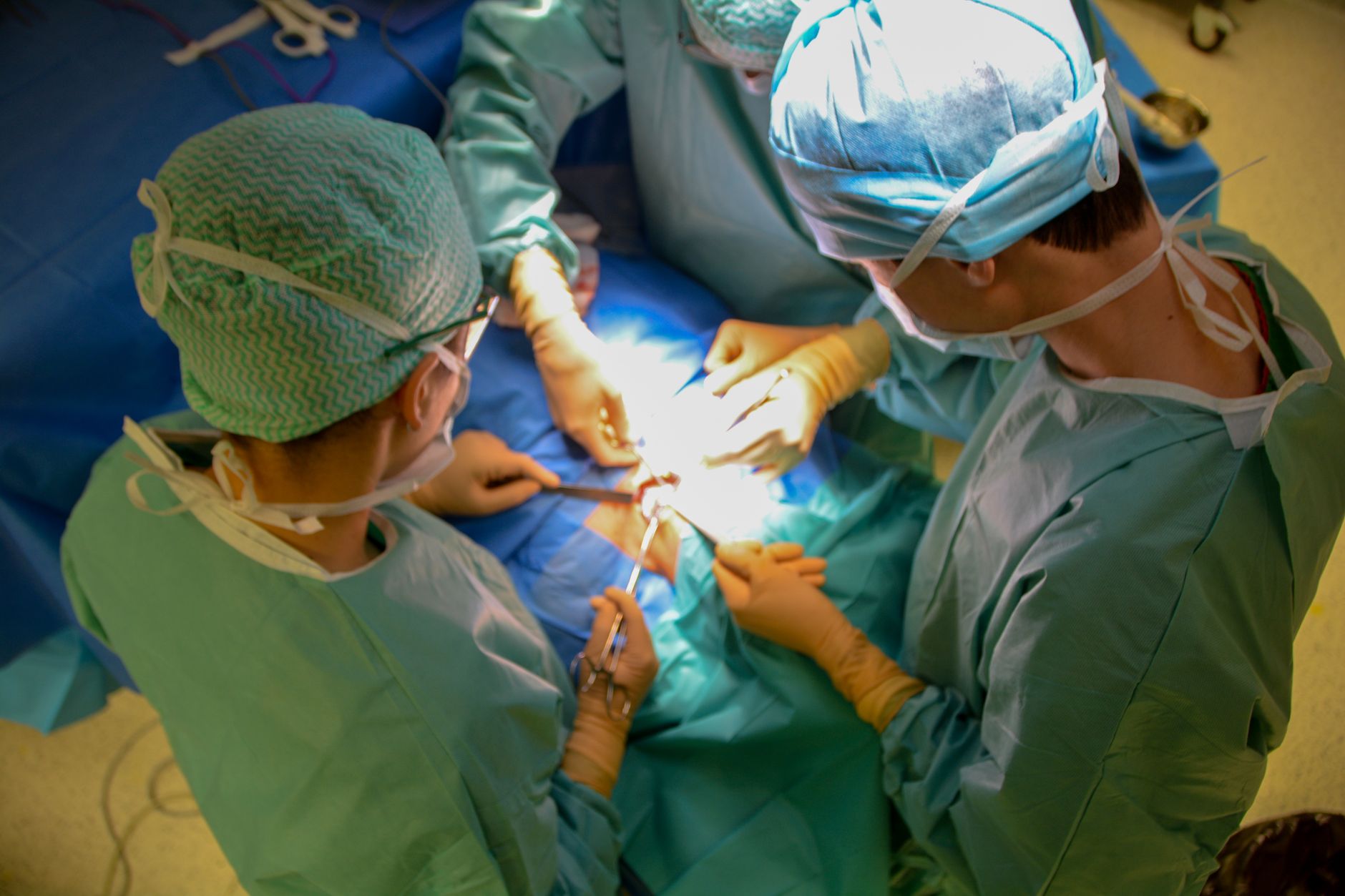
Most FUE procedures take 6–10 hours depending on graft count. Local anaesthetic is used; you'll be awake but comfortable. Bring a book, tablet, or headphones—there's a lot of waiting. Wear loose, comfortable clothing. Arrange for someone to drive you home—you may feel drowsy. Follow pre-op instructions (e.g. no alcohol, avoid blood thinners). The clinic will provide aftercare instructions; follow them closely to maximise graft survival and minimise complications.
Medical Considerations
Hair transplants are generally safe but not suitable for everyone. Uncontrolled bleeding disorders, active scalp infections, or certain medical conditions may preclude surgery. Some medications (e.g. blood thinners) may need to be paused. The clinic will assess your medical history. Realistic expectations are important—transplants cannot create density where there is no donor supply. Young patients (under 25) with early loss may be advised to wait, as pattern may not be fully established. A thorough consultation will address these points.