

Transform Your Smile Exploring the World of Dental Implants
Dental implants replace missing teeth with titanium posts that fuse with the jawbone (osseointegration), typically within 3–6 months. Single crowns, bridges, and full-arch solutions restore function and aesthetics without affecting neighbouring teeth. Same-day implants exist for selected cases. With proper care, implants can last decades. Understanding the process, candidacy, and long-term care helps you make an informed decision. Implants are the gold standard for tooth replacement; they prevent bone loss and feel like natural teeth. This guide covers the implant process, candidacy, long-term outcomes, costs, and how implants compare to alternatives.
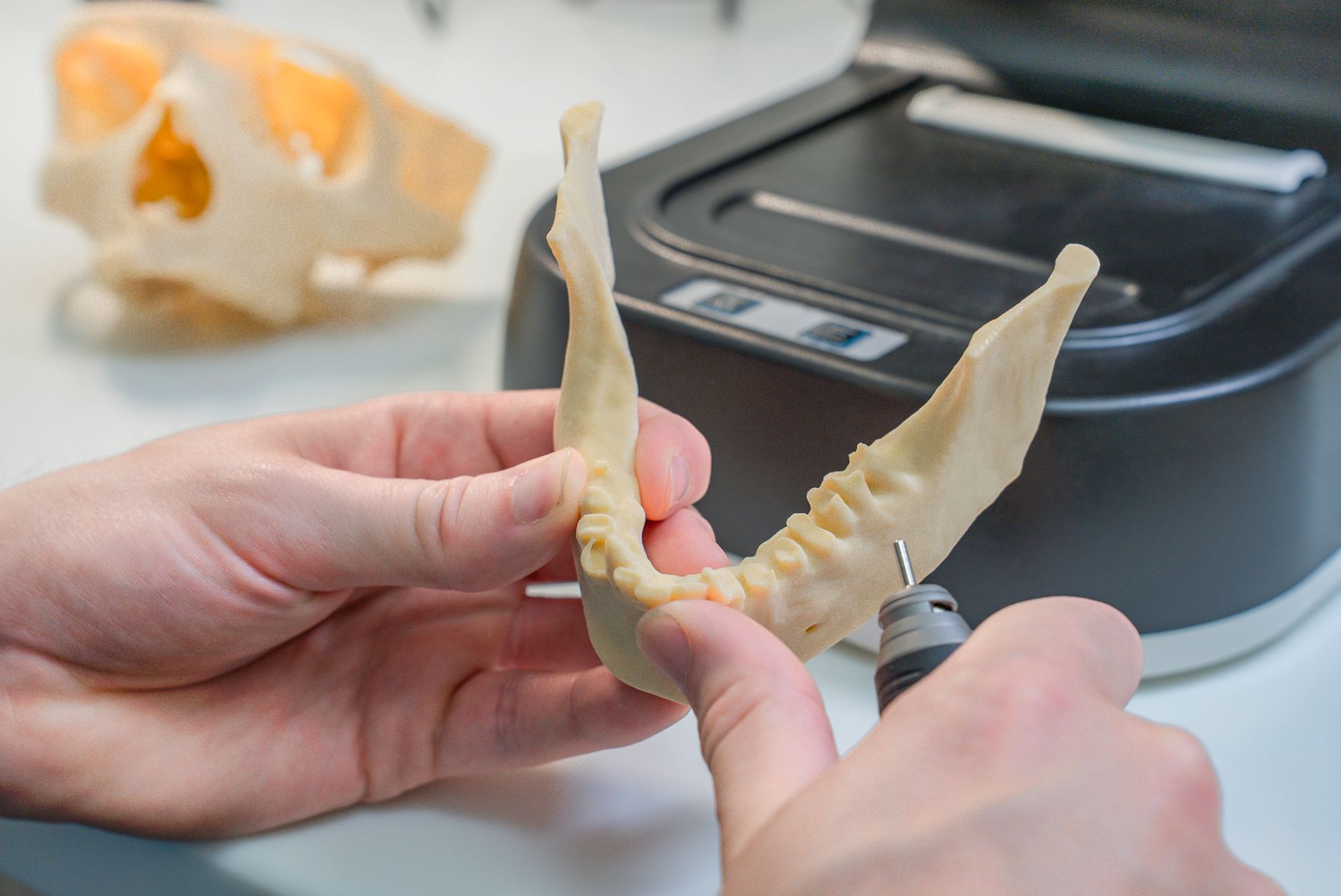
The Implant Process
Assessment includes a clinical examination, CT scan, and bone density evaluation. Adequate bone is required; bone grafting or sinus lifts may be needed. Smokers and those with uncontrolled diabetes may need extra preparation—smoking increases failure risk. The implant is placed under local anaesthesia (sedation available); a healing period allows osseointegration. The abutment and crown are fitted once healing is complete. Same-day protocols allow immediate loading in suitable cases. The placement procedure typically takes 1–2 hours for a single implant. You may have a temporary crown or leave the implant uncovered during healing. Osseointegration usually takes 3–6 months; your dentist will confirm when the implant is ready for the final restoration. Digital planning and surgical guides can improve precision and reduce procedure time.
Candidacy
Generally suitable for adults with good general health and adequate bone. Not suitable for those with uncontrolled periodontal disease, heavy smoking, or certain medical conditions. Age alone is not a barrier; health and bone quality matter more. A thorough consultation will determine your suitability. Some patients need preparatory work—gum treatment, extractions, or bone grafting—before implant placement. Your dentist will create a treatment plan with timeline and costs.
Long-Term Outcomes
With proper oral hygiene and regular check-ups, implants last decades. Peri-implantitis—inflammation around the implant—can cause failure if neglected. Brush, floss, and attend hygienist appointments. Avoid using implants to open packages or bite hard objects. Survival rates exceed 95% at 10 years for well-maintained implants. The crown may need replacement before the implant; discuss expected lifespan with your dentist. Maintenance is similar to natural teeth—good oral hygiene and regular professional care.
Costs in the UK
Single implants typically cost £2,000–£5,500. Full-arch solutions range from £12,000 to £30,000. NHS funding is rare—only in exceptional clinical circumstances. Payment plans, dental schools, and medical tourism offer cost-saving options. Request itemised quotes that include implant, abutment, crown, and any preparatory work. Finance through Chrysalis Finance or Tabeo can spread the cost over 12–24 months at 0%. Factor in long-term maintenance—check-ups and hygienist visits.
Implants vs Alternatives
Dentures are cheaper but less stable and can affect bone quality over time. Bridges require adjacent teeth to be ground down. Implants preserve bone and do not affect neighbouring teeth. For single or multiple missing teeth, implants often offer the best long-term outcome. Discuss all options with your dentist; suitability depends on your oral health, bone quality, and preferences. Implants require surgery and healing time; dentures and bridges are faster but have trade-offs. Consider your long-term goals—implants are an investment that can last decades.
Maintenance and Longevity
Implants require the same care as natural teeth: brushing twice daily, flossing, and regular hygienist visits. Peri-implantitis—inflammation around the implant—can cause failure; early detection and treatment are key. Avoid using implants as tools (opening packages, etc.). With proper care, implants can last 20–30 years or more. The crown may need replacement before the implant; discuss expected lifespan with your dentist. Regular check-ups allow your dentist to monitor implant health and catch issues early.
Recovery and Healing
After implant placement, expect some swelling and discomfort for a few days. Your dentist will prescribe pain relief and may recommend a soft diet. Avoid disturbing the implant site—no vigorous rinsing or probing. Osseointegration (bone fusion) takes 3–6 months; during this time a temporary crown or healing cap may be fitted. Same-day implants allow immediate loading in suitable cases but require strict adherence to soft diet and care instructions. Smoking significantly increases failure risk; consider quitting before and after surgery. Attend all follow-up appointments—your dentist will monitor healing and determine when the final restoration can be fitted.
Summary and Next Steps
Book a consultation with a dentist experienced in implants. They will assess your oral health, bone quality, and suitability. Discuss the full process, timeline, and costs. Ask about the implant brand and warranty. If you have multiple missing teeth, explore full-arch options. With proper planning and care, dental implants can transform your smile and restore function for decades. They represent a significant investment but offer the most natural and durable solution for tooth loss. Take time to choose a skilled practitioner and understand the commitment to long-term maintenance. The consultation may include a CT scan to assess bone. Ask about the timeline—from placement to final crown can be 3–6 months or longer if bone grafting is needed.