

Repossessed Car Buying Guide: How To Land The Best Deals
Repossessed car auctions offer vehicles at significant discounts—often 20–40% below market value—because lenders and finance companies need to recover debt quickly. Cars repossessed due to missed payments, fleet defaults, or lease returns are sold through auction houses such as BCA, Manheim, and local independents. While bargains exist, risks include outstanding finance, hidden damage, and no warranty. Success requires research, discipline, and due diligence. Auctions attract both trade buyers (dealers, mechanics) and private buyers; the former often have an edge in spotting issues and valuing vehicles. As a private buyer, your advantage is patience and a willingness to walk away—there will always be another auction.
Understanding the Auction Process
Registration and Catalogues
Register with auction houses to access catalogues and bidding. Many now offer online bidding alongside physical auctions. Catalogues list make, model, year, mileage, and condition notes. Viewing days allow physical inspection before sale—attend if possible. Understand buyer's premiums (typically 5–10% of hammer price) and VAT implications; some vehicles are sold VAT-qualifying. Catalogues are usually published a few days before the sale; use this time to research vehicles of interest and run HPI checks. Note the lot numbers and set reminders—auctions run to a schedule and you don't want to miss your target vehicle. First-time bidders may need to provide ID and proof of address.
Live vs Online Auctions
Live auctions create urgency; bidding can escalate quickly. Online auctions allow more time to research but attract wider competition. Set a strict maximum bid before you start and stick to it. Emotional bidding leads to overpaying. Remember that auction prices exclude fees, so factor those into your budget.
Due Diligence Before You Bid
HPI and History Checks
Always run an HPI check (or equivalent) before bidding. This reveals outstanding finance, write-offs, mileage discrepancies, and theft. A car with outstanding finance could be repossessed again; you may lose the vehicle and your money. Write-offs (Cat S, N, etc.) affect insurance and resale value.
Inspection and Condition
Inspect vehicles on viewing days. Check bodywork, tyres, brakes, and interior. Start the engine; listen for knocks or smoke. Service history is rare at auction but desirable. Budget for repairs—repossessed cars often lack recent servicing. No warranty means you buy as-seen; mechanical inspections by a third party add cost but reduce risk.
Practical Tips for Success
Research market values (Auto Trader, eBay) to know fair prices. Focus on popular, reliable models—easier to resell. Avoid rare or complex cars unless you're an expert. Bring proof of identity and funds; payment is usually required immediately. Consider insurance from the moment you win the bid.
Auction Houses and Access
BCA and Manheim are the largest UK auction groups; they hold regular sales across the country. Some auctions are trade-only; others allow public buyers—check eligibility before registering. Online bidding platforms (e.g. BCA Buyer) let you bid remotely; ensure you understand the terms (e.g. proxy bidding, bid increments). Physical attendance gives you a feel for the room and the chance to inspect vehicles on the day. Build a relationship with auction staff; they can sometimes provide additional information on vehicles.
Post-Purchase Steps
Once you've won, you'll need to pay the hammer price plus buyer's premium (and VAT if applicable) within the timeframe specified—often same day or within 24 hours. Collect the vehicle and V5C (logbook); the auction will have applied for a new V5C if the previous owner's details were on it. Tax the vehicle before driving; you can do this online with the V5C reference. Arrange insurance before collection. Plan for servicing, MOT (if due), and any repairs—repossessed cars often need attention before they're roadworthy.
Who Sells at Repossession Auctions
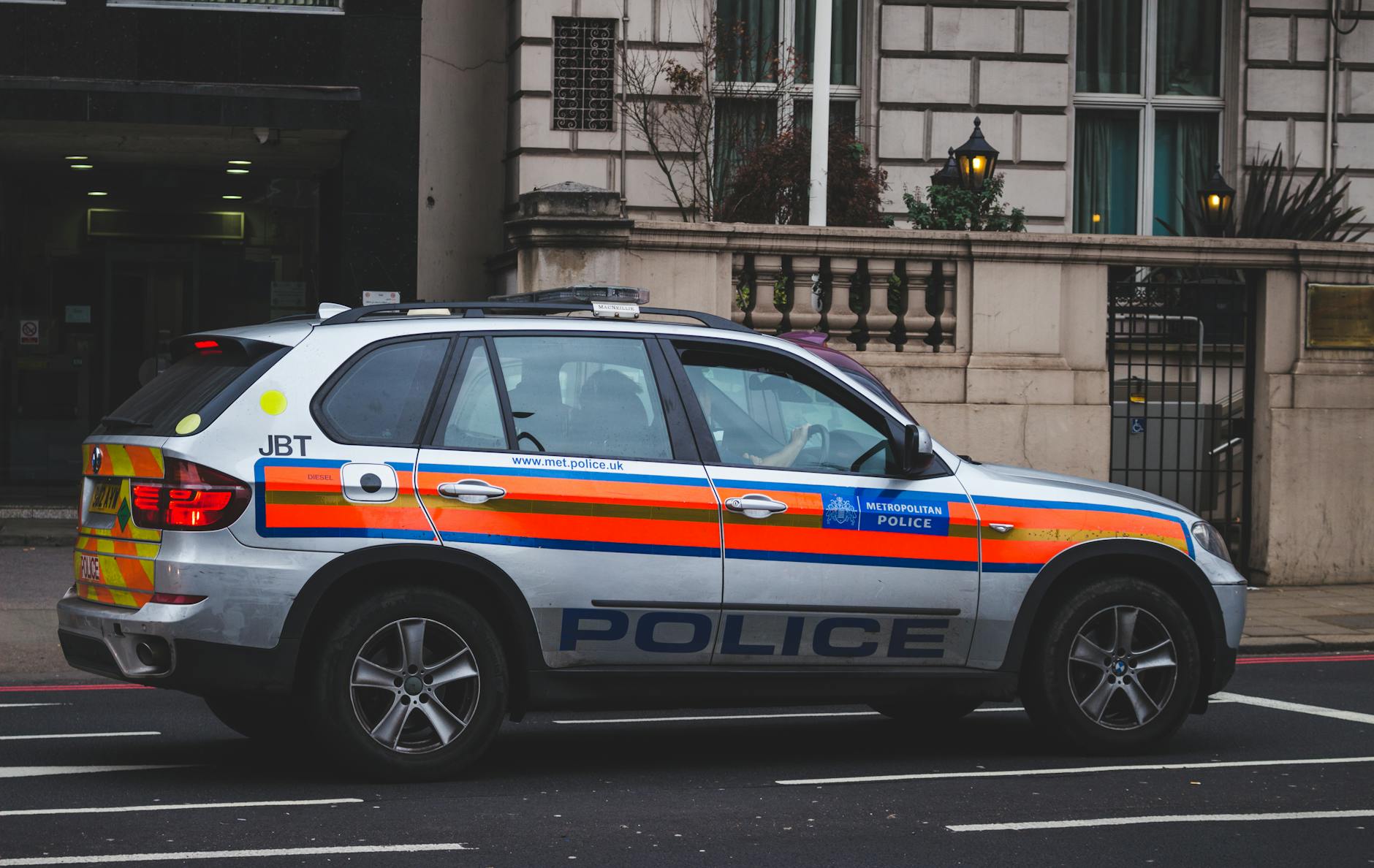
Finance companies, banks, and leasing firms sell repossessed vehicles to recover debt. Fleet operators and rental companies also dispose of end-of-contract vehicles through auctions. The quality and provenance vary—a car repossessed after three missed payments may be in good condition; one that's been neglected or driven hard may not. Auction catalogues sometimes indicate the vendor type. Police and government agencies also sell seized and surplus vehicles through similar channels. Understanding the source can inform your expectations and bidding strategy.
Insurance and Running Costs
Insurance for auction-bought cars can be higher—some insurers are cautious about vehicles without full history. Shop around; specialist insurers may offer better rates. Factor in running costs: road tax, MOT, servicing, and any repairs. A £3,000 car that needs £1,500 of work may still be a bargain if the total is below market value, but budget accordingly. Consider an extended warranty from a third party if the car is relatively new—though exclusions often apply to auction purchases.
Common Mistakes to Avoid
Bidding without a pre-set limit is the biggest mistake—emotions run high in auctions. Don't assume the catalogue description is accurate; inspect in person. Skipping the HPI check can be costly—outstanding finance can lead to the car being repossessed from you. Avoid buying cars you cannot physically inspect—online-only auctions add risk. Don't forget the buyer's premium when calculating your true cost. Finally, ensure you have the funds ready—payment is typically required within 24 hours of the sale.