

Pharmaceutical Packaging An In Depth Look Into A Vital Aspect Of The Medicine World
Pharmaceutical packaging is far more than a container—it protects drug efficacy, ensures patient safety, and enables regulatory compliance. From blister packs and vials to prefilled syringes and ampoules, each format serves specific drug types, stability requirements, and administration routes. Tamper evidence and child resistance are mandatory in many jurisdictions; the UK follows EU-derived regulations including the Falsified Medicines Directive (FMD). Packaging must withstand transport, storage, and handling whilst maintaining integrity until use.
Materials and Formats: Glass, Plastic, and Barrier Properties
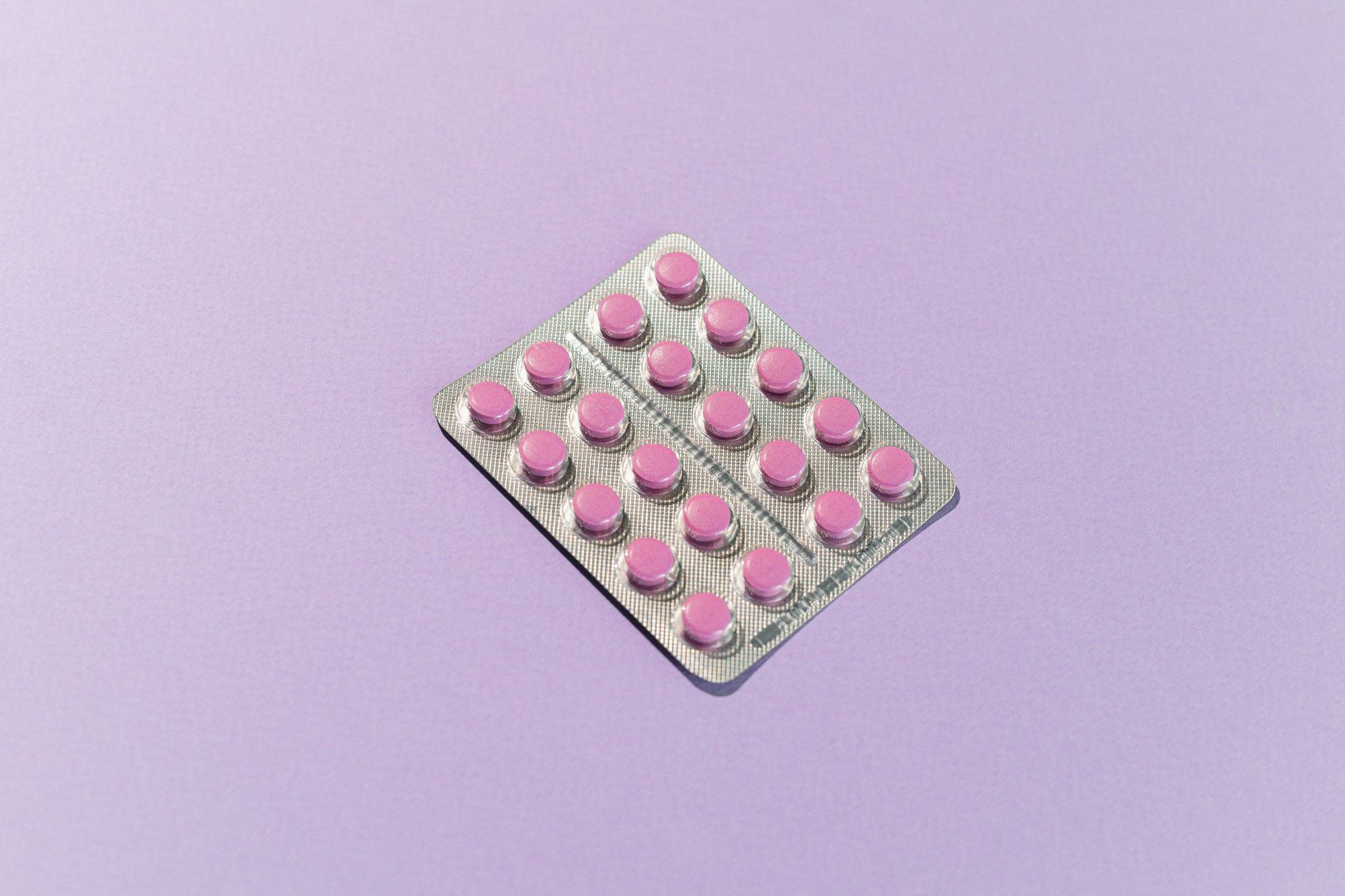
Glass offers excellent barrier properties against moisture and oxygen and is inert for most formulations; Type I borosilicate is used for injectables. Plastic (HDPE, PET, PVC) suits solid oral dosage forms; barrier coatings or multi-layer structures protect sensitive drugs. Blister packs—aluminium or PVC—provide unit-dose protection and compliance aids. Prefilled syringes combine primary packaging with delivery; they reduce dosing errors and improve convenience. Barrier properties must match drug sensitivity; inadequate packaging can shorten shelf life or cause degradation.
Regulatory Landscape: EMA, MHRA, and Serialisation
The Medicines and Healthcare products Regulatory Agency (MHRA) oversees UK packaging standards post-Brexit; many requirements align with EU regulations. Serialisation—unique identifiers on packs—enables verification and traceability under FMD. Labelling must include product name, strength, batch number, expiry, and patient information leaflet (PIL). Child-resistant closures (CRC) are required for many oral medicines; senior-friendly designs balance safety with accessibility. Tamper-evident features protect against adulteration.
Patient-Centric Design and Sustainability
The UK pharmaceutical industry employs thousands and contributes significantly to exports. Post-Brexit, the MHRA has taken on regulatory functions previously handled by the EMA. Packaging manufacturers must comply with UK-specific requirements whilst many products are also sold in the EU. Quality management systems (QMS) such as ISO 15378 govern packaging for medicinal products. Audits by customers and regulators assess compliance. Innovation in packaging—from smart labels to sustainable materials—continues to advance, driven by patient needs, regulatory pressure, and environmental goals.
Pharmaceutical supply chains are complex; packaging must protect products through distribution, storage, and dispensing. Cold chain products—vaccines, biologics, some oncology drugs—require temperature-controlled packaging with validated performance. Insulated shippers, cold packs, and temperature monitors ensure integrity. Serialisation adds traceability; packaging lines must integrate with enterprise systems. Counterfeiting remains a risk; security features (holograms, tamper evidence, serialisation) deter fraud. UK and EU regulations require documented supply chain controls. Packaging changes require regulatory submission and approval; stability studies may be needed.
Supply Chain and Cold Chain Considerations
Packaging development runs in parallel with drug development; changes late in the process can delay launch. Primary packaging (in direct contact with the drug) requires extensive compatibility and stability testing. Secondary packaging (cartons, labels) carries regulatory and marketing information. Tertiary packaging (shipping cases) protects during distribution. Each layer has a role. Human factors studies ensure packaging can be used correctly by patients and healthcare workers. Child-resistant does not mean senior-proof; testing with elderly users is important. The packaging industry employs specialists in materials science, engineering, and regulatory affairs. Careers in pharma packaging offer stability and purpose.
Pharmaceutical packaging offers careers in design, engineering, quality, and regulatory affairs. UK universities offer packaging science and related degrees. The industry values attention to detail, regulatory knowledge, and problem-solving. Sustainability is driving innovation—recyclable materials, reduced packaging, and circular economy principles. Smart packaging will increasingly connect patients and providers. The UK remains a significant pharmaceutical market and manufacturing base post-Brexit. Packaging plays a vital role in ensuring medicines reach patients safely and effectively. From development to disposal, every aspect of pharmaceutical packaging matters for public health. The sector offers stable employment and the satisfaction of contributing to healthcare.
Careers and the Future of Pharma Packaging
Pharmaceutical packaging sits at the intersection of science, regulation, and patient care. Every blister pack, vial, and syringe has been designed to protect and deliver medicine safely. The UK industry maintains high standards whilst innovating for sustainability and patient needs. Understanding packaging helps appreciate the complexity behind the medicines we take for granted. From development through to the patient's hands, packaging plays a vital role. The sector offers rewarding careers for those interested in healthcare, engineering, and quality.
Medicine safety depends on packaging at every step. Incorrect storage can degrade drugs; packaging must protect. Dosing errors can occur with confusing packaging; design must support correct use. Counterfeiting threatens patient safety; packaging features deter fraud. The MHRA and international regulators set stringent requirements. Packaging professionals work alongside pharmacists, clinicians, and patients to ensure medicines are safe and effective. It is a critical but often overlooked aspect of healthcare.
The Role of Packaging in Medicine Safety
Whether you are a patient, healthcare professional, or industry observer, understanding pharmaceutical packaging illuminates an essential aspect of medicine delivery. The next time you take a tablet or receive an injection, consider the packaging that protected it to that point.
Elderly-friendly packaging—easy-open caps, large print, and compliance aids—supports adherence. Multi-compartment compliance packs help patients manage complex regimens. Sustainability pressures are growing: recyclability, reduced plastic, and mono-materials (e.g. mono-PE) improve environmental profile. Some firms trial refill systems or paper-based alternatives. Balance must be struck between sustainability and drug protection; regulatory approval is required for packaging changes. Braille and large-print labelling support accessibility. Unit-dose packaging reduces medication errors in hospitals and care homes.