

How To Choose The Dynamic World Of Private Jet Memberships
Private jet memberships offer access to private aviation without the cost and hassle of ownership. Programmes such as NetJets, Flexjet, and VistaJet provide guaranteed availability, flexible hours, and a range of aircraft. Costs suit frequent flyers who value time, privacy, and convenience. Empty-leg deals and jet cards offer lower commitment options. Understanding membership models, pricing structures, and when private aviation makes financial sense will help you choose the right programme.
Membership Models Explained
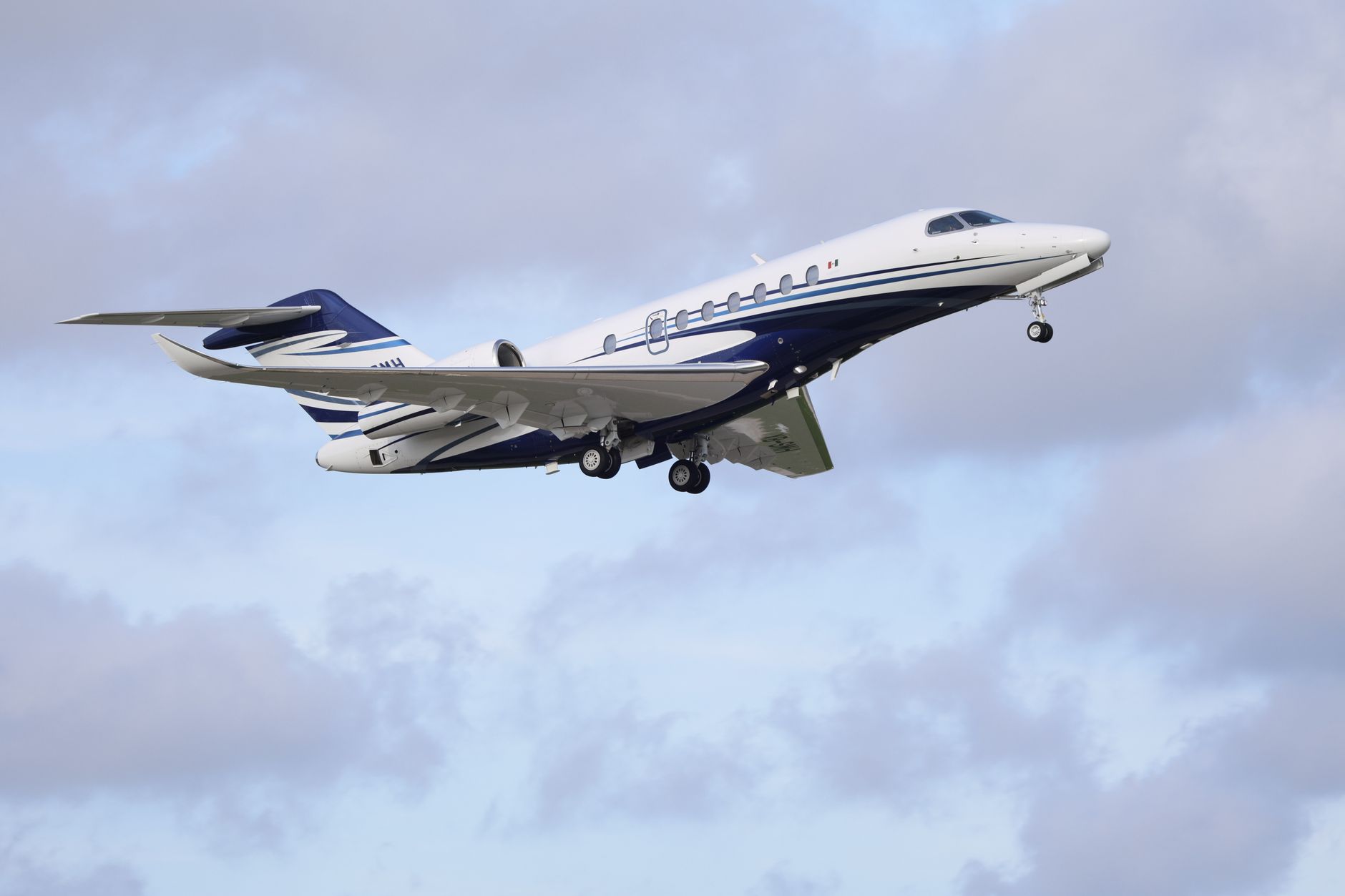
Fractional ownership involves buying a share of an aircraft (e.g. 1/16) with guaranteed hours per year. NetJets and Flexjet dominate this space. Jet cards offer prepaid flight hours (e.g. 25 or 50 hours) at a fixed hourly rate, with no long-term commitment. Jet pools and membership programmes (e.g. Wheels Up, Sentient Jet) provide access to a fleet for an annual fee plus per-flight costs. Each model has minimum commitments, blackout periods, and peak surcharges—read the fine print.
Hourly Rates and Minimums
Light jet rates typically start around £3,000–4,000 per flight hour; midsize and heavy jets run £5,000–10,000+ per hour. Minimum flight times (e.g. 1–2 hours) apply even for short hops. Fuel surcharges, positioning fees, and international fees add to the bill. Compare total cost per trip, not just hourly rates.
When Private Jet Makes Sense
Private aviation pays off when you fly 50+ hours annually, value door-to-door time savings, need flexibility for last-minute changes, or require privacy and confidentiality. For occasional travellers, first-class commercial or empty-leg deals may be more cost-effective. Empty legs—flights repositioning without passengers—can offer 25–75% discounts but lack guaranteed availability.
Choosing a Programme
Consider fleet size and aircraft types, availability in your typical routes, cancellation policies, and the quality of ground support. Visit facilities and fly a demo before committing. Check financial stability of the operator—fractional and card programmes require significant capital reserves. Read reviews and seek referrals from existing members.
Empty Legs and One-Off Charters
Empty-leg flights occur when an aircraft repositions without passengers; operators sell these at a discount. Availability is unpredictable and routes are fixed. Apps and brokers aggregate empty-leg listings. For occasional travel, one-off charter may be more flexible than membership. Compare per-trip cost across options before committing to a programme.
Carbon offsetting is increasingly expected; many programmes offer optional offsets or sustainable aviation fuel (SAF) options. Private aviation has a higher per-passenger carbon footprint than commercial—factor this into your decision if sustainability matters to you.
Fractional Ownership Deep Dive
Fractional ownership typically involves a one-time capital outlay plus monthly management fees. You receive a guaranteed number of flight hours per year, with availability subject to the programme's fleet and demand. NetJets pioneered the model; Flexjet and others offer alternatives. Ownership periods range from 5 to 25 years. Exit options vary—some programmes offer buyback guarantees. This model suits those who fly 50–200 hours annually and want predictable access without operational responsibility.
Jet cards offer a middle ground: prepay for 25–50 hours at a fixed rate, with no long-term commitment. Availability is typically good but not guaranteed like fractional. Cards suit those who want flexibility without the capital commitment of fractional ownership. Compare hourly rates across aircraft categories—light, midsize, and heavy jets have different price points and use cases.
On-demand charter suits occasional users who do not want membership. Book per trip through brokers or operators; prices vary by route, aircraft, and demand. Empty-leg deals can offer 50% or more off standard charter rates but require flexibility on dates and routes. Apps such as JetSmarter and Victor aggregate options. For infrequent travel, compare the cost of a few charter flights per year against membership minimums—charter may be cheaper.
Peak travel periods—holidays, major events—see higher demand and possible surcharges. Book well in advance for Christmas, New Year, and summer. Last-minute requests may incur availability fees or require larger aircraft. Some programmes offer guaranteed availability for an additional fee. Understand the trade-offs: flexibility vs. cost. For predictable travel patterns, booking ahead saves money and stress.
Aircraft categories affect comfort and capability. Light jets (e.g. Citation, Phenom) suit short trips and small groups. Midsize jets offer more space and range. Heavy jets and ultra-long-range aircraft cross continents non-stop with full amenities. Choose the smallest category that meets your typical needs—larger aircraft cost significantly more per hour. For mixed travel patterns, programmes that allow category upgrades or downgrades add flexibility. Discuss your typical routes and passenger count with programme advisors.
Customer service quality varies between programmes. Responsive booking, proactive communication, and problem resolution matter when plans change. Read reviews and seek referrals from current members. The best programme for you balances cost, flexibility, aircraft availability, and the quality of the overall experience.
Membership terms typically run one to three years. Understand cancellation conditions and what happens to unused hours or deposits. Some programmes allow transfer or gifting of membership. Read the contract carefully before signing; seek legal or financial advice for large commitments.