

Liposuction And Beyond: A Look Into Modern Body Contouring Solutions
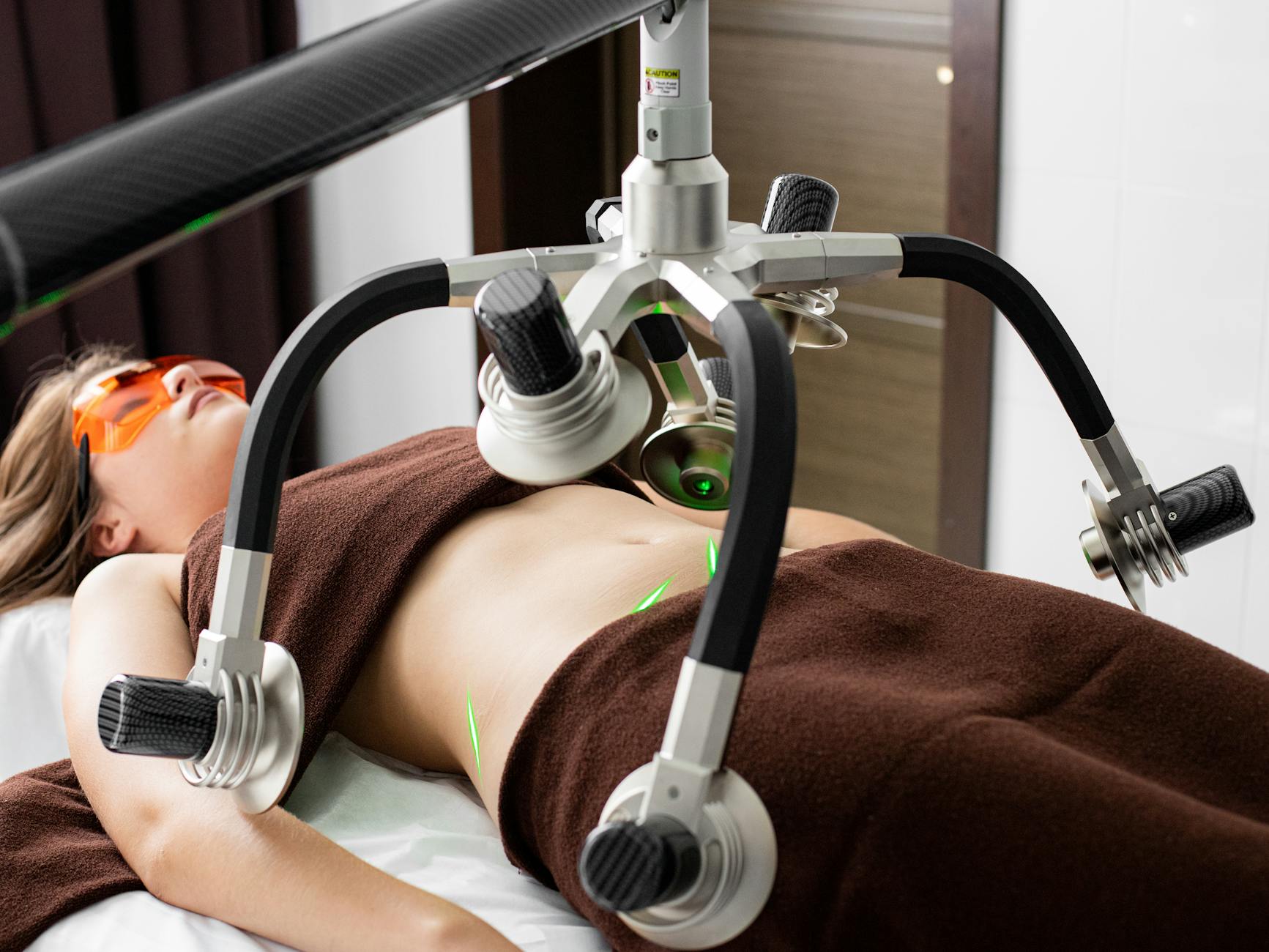
Body contouring has evolved significantly beyond traditional liposuction. While surgical liposuction remains the gold standard for removing stubborn fat deposits via cannulas—with techniques such as tumescent, Vaser (ultrasound-assisted), and laser-assisted (SmartLipo) offering varying levels of skin tightening—non-surgical alternatives have gained traction among those seeking minimal downtime. CoolSculpting (cryolipolysis) freezes fat cells for gradual reduction over 8–12 weeks; EmSculpt and Emsculpt NEO combine HIFEM and RF to build muscle whilst reducing fat. Kybella injects deoxycholic acid to dissolve submental fat. Results depend on technique, anatomy, and practitioner skill. Not everyone is a candidate: liposuction is not a weight-loss solution but a contouring procedure for those near their target weight.
Surgical vs Non-Surgical: Choosing the Right Approach
Surgical liposuction delivers more dramatic, immediate results—typically 2–5 litres of fat can be removed in a single session. It suits larger areas (abdomen, thighs, back) and patients seeking significant contour change. Recovery involves compression garments for 4–6 weeks, limited activity, and possible bruising and swelling for several weeks. Non-surgical options suit smaller areas (double chin, love handles), those with lower downtime tolerance, or patients who prefer incremental improvement. Multiple sessions are usually required; costs can accumulate to rival surgery for extensive treatment. Consultations should assess skin elasticity—poor elasticity may require surgical skin removal (e.g. tummy tuck) in addition to liposuction.
UK Pricing and Regulation
In the UK, liposuction costs typically range from £2,500–£7,000 per area depending on extent and clinic location; multiple areas increase the total. Non-surgical CoolSculpting sessions run £600–£1,200 per applicator; EmSculpt programmes often £1,000–£2,500 for a course. Ensure your practitioner is registered with the General Medical Council (GMC) or General Dental Council (GDC) for injectables; clinics should be registered with the Care Quality Commission (CQC). Check before-and-after galleries and read reviews; avoid cut-price offers that may compromise safety. Finance options exist but compare APR; some clinics offer 0% over 12–24 months.
Recovery, Expectations, and Aftercare
Body contouring is not a substitute for healthy lifestyle habits. Maintaining a stable weight through diet and exercise after treatment ensures lasting results. Some patients combine liposuction with other procedures—tummy tuck, arm lift, or body lift—for comprehensive transformation. Recovery experiences vary; some return to work within a week whilst others need longer. Plan for time off and support at home. Emotional preparation is important; body image concerns may persist after surgery. Consider counselling if you have a history of body dysmorphia or disordered eating.
A thorough consultation should assess your goals, medical history, and suitability. The practitioner should explain risks, alternatives, and realistic expectations. Ask about their experience with your body type and desired areas. View before-and-after photos of similar cases. In the UK, cosmetic surgery is largely unregulated for non-surgical treatments; choose practitioners who are medically qualified. Surgical liposuction should be performed by a surgeon on the GMC specialist register. Avoid practitioners who pressure you or offer unrealistic promises. Second opinions are valuable for significant procedures.
Consultation and Choosing a Practitioner
Some patients combine body contouring with skin treatments—radiofrequency, ultrasound, or laser—to improve skin quality and tightening. A holistic approach addresses diet, exercise, and skincare alongside any procedure. Follow-up appointments allow your practitioner to assess results and address concerns. Long-term, maintaining results requires lifestyle consistency. Body contouring can boost confidence and motivation to stay healthy. Choose a practitioner who supports your overall wellbeing, not just the procedure. The UK cosmetic industry has faced scrutiny over safety and marketing; reputable practitioners prioritise patient care over sales. Trust your instincts and take time to decide.
Combining Treatments and Long-Term Care
Body contouring can enhance your appearance but will not fundamentally change your life or solve emotional issues. Realistic expectations lead to satisfaction. Results vary by individual—anatomy, skin quality, and healing all play a role. Some asymmetry or imperfection may remain; perfection is not the goal. Mental preparation is as important as physical. Consider why you want the procedure and what you hope to achieve. Support from family or friends during recovery can help. If you have a history of body image issues, discuss with your practitioner and consider counselling. The goal is to feel better in your body, not to meet an unrealistic ideal. Choose a practitioner who listens and sets realistic expectations.
Realistic Expectations and Mental Preparation
The UK cosmetic industry continues to evolve with new techniques and technologies. Research your options thoroughly and choose a practitioner who prioritises your safety and satisfaction. Body contouring can be a positive step when approached with realistic expectations and proper care. Compare multiple consultations before deciding. Ask about revision policies if results fall short of expectations. The relationship with your practitioner matters—you will see them through recovery and beyond. Trust, communication, and professional standards are non-negotiable.
Post-surgical recovery requires wearing compression garments to reduce swelling and support healing; most patients return to light activity within a week and full activity within 4–6 weeks. Final contour emerges after 3–6 months as swelling fully resolves. Maintain a stable weight; significant gain can redistribute fat to untreated areas. Non-surgical treatments have minimal downtime—often same-day return to normal activities. Hydration, healthy diet, and avoiding smoking support optimal outcomes for both approaches. Massage and lymphatic drainage may aid recovery. Follow your surgeon's aftercare instructions precisely; complications, though rare, include infection, asymmetry, and contour irregularities.