

From Welding To Fabrication Understanding Metalwork And Its Applications
Metal fabrication encompasses cutting, bending, welding, and assembly—transforming raw metal into structures, components, and products. MIG, TIG, and stick welding suit different metals and thicknesses. Applications span construction, automotive, aerospace, and custom fabrication. In the UK, fabricators work in workshops and on-site; coded welding certification opens industrial and nuclear work. Understanding processes, careers, and business considerations helps you navigate this skilled trade. The UK fabrication sector employs tens of thousands; demand for skilled welders remains strong. This guide covers welding processes, certification, fabrication techniques, health and safety, and career paths.
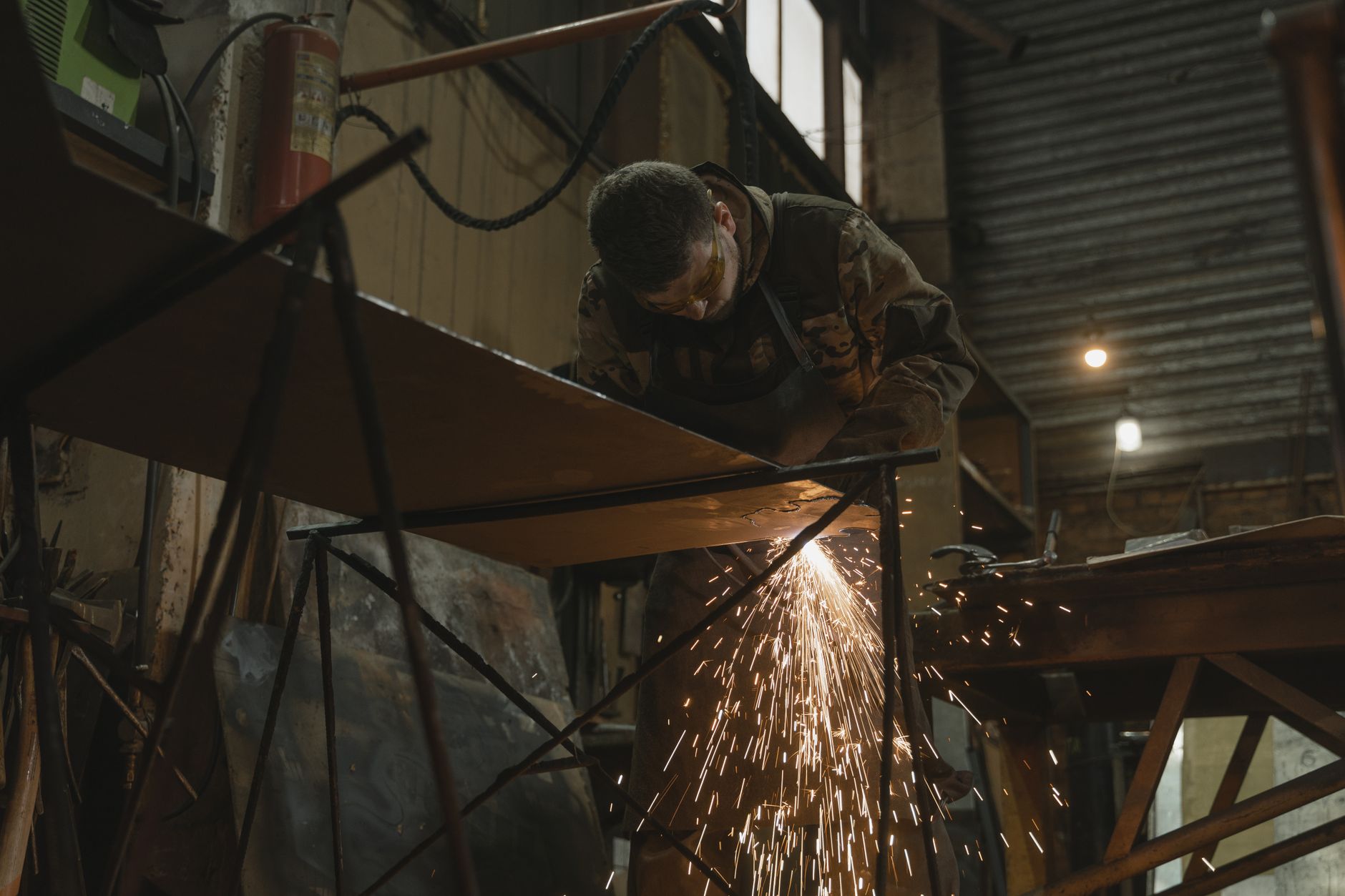
Welding Processes
MIG (Metal Inert Gas) is fast and versatile for steel; suitable for beginners. TIG (Tungsten Inert Gas) offers precision for thin or exotic metals (stainless, aluminium); requires more skill. Stick (MMA) welding is portable and works in outdoor conditions. Flux-cored and submerged arc suit heavy fabrication. Each process has distinct equipment, consumables, and applications. MIG uses a wire feed; TIG uses a handheld tungsten electrode and filler rod. Stick welding uses consumable electrodes. Choice depends on material, thickness, position, and quality requirements. Many fabricators learn multiple processes to broaden their capabilities. Equipment costs vary—a basic MIG setup may cost £300–£500; TIG rigs are typically more expensive. Quality of equipment affects ease of use and results.
Certification and Standards
Coded welding (e.g. BS EN ISO 9606-1) certifies welders for specific processes, positions, and materials. Required for structural, pressure vessel, and nuclear work. The Welding Institute (TWI) and training providers offer courses. Apprenticeships combine work and study; NVQs and diplomas provide formal recognition. Certification typically involves a practical test and may require renewal. Check employer requirements—many industrial roles demand coded status. Apprenticeships typically last 2–4 years and combine paid work with study. Check the government's Find an Apprenticeship service for opportunities.
Fabrication Techniques
Cutting: plasma, laser, waterjet, and mechanical. Bending: press brakes and roll forming. Forming: stamping and deep drawing. Assembly: jigs, fixtures, and welding. CAD/CAM and CNC increasingly automate design and cutting. Quality control includes visual inspection, NDT (non-destructive testing), and dimensional checks. Modern fabrication combines traditional skills with digital tools. Understanding the full process—from design to finished product—makes you more valuable. Fabricators work across industries; the skills are transferable.
Career and Business
Fabricators work in manufacturing, construction, and specialist shops. Wages range from £25,000 for apprentices to £45,000+ for skilled welders. Starting a fabrication business requires equipment investment, skills, and understanding of health and safety (HSE regulations, COSHH). Contract work and subcontracted projects are common. Equipment costs for a small fabrication business can run £5,000–£20,000; factor in workspace and insurance. The UK fabrication sector offers rewarding careers and business opportunities for those with the right skills and commitment to quality and safety. Experienced welders can progress to supervisory roles, inspection, or running their own business.
Health and Safety in the UK
The Health and Safety Executive (HSE) regulates welding and fabrication. Fume extraction is mandatory—welding fumes can cause serious health issues. COSHH regulations apply to welding consumables and gases. PPE: welding helmet (auto-darkening recommended), gloves, and protective clothing. Fire risk: clear combustible materials, have extinguishers nearby. Training in safe practices is essential; the Welding Institute and City & Guilds offer courses. Never compromise on safety—injuries can be serious and employers face prosecution for breaches.
Industry Applications
Construction: structural steel, reinforcement, cladding. Automotive: body repairs, exhaust systems, custom builds. Aerospace: precision welding under strict standards. Marine: hull and deck work. Art and sculpture: custom fabrication. The UK fabrication sector employs tens of thousands; demand for skilled welders remains strong. The sector faces skills shortages in some areas, which can mean good job security and wages for qualified workers. Stay updated on new processes and materials as the industry evolves.
Training and Apprenticeships
City & Guilds and EAL offer welding qualifications from entry to advanced. The Welding Institute (TWI) provides industry-recognised training and certification. Apprenticeships combine paid work with study—typically 2–4 years. Check the government's Find an Apprenticeship service for opportunities. College courses offer full-time study for those without an employer. Short courses can teach specific processes (MIG, TIG) for hobbyists or career changers. Investment in training pays off—coded welders command premium rates. Health and safety training is mandatory; fume extraction and PPE are non-negotiable. The welding sector faces skills shortages; qualified workers can command good wages and job security. Experienced welders can progress to inspection, supervision, or running their own fabrication business.
Summary and Next Steps
If interested in a welding career, consider an apprenticeship or college course. The Welding Institute and City & Guilds offer qualifications. For coded welding, plan for specific certification in your target process and materials. Health and safety training is mandatory. Equipment costs for a small fabrication business can run £5,000–£20,000; factor in workspace and insurance. The UK fabrication sector offers rewarding careers and business opportunities for those with the right skills and commitment to quality and safety. Apprenticeships typically last 2–4 years and combine paid work with study. Check the government's Find an Apprenticeship service for opportunities.