

From Toddlers To Adults The Allure Of Playhouses With Slides
Playhouses with slides have enduring appeal across age groups, from toddlers taking first steps to older children seeking adventure. The combination of enclosed play space and a slide adds physical activity, coordination practice, and imaginative play. Materials range from wood to plastic, each with different durability, maintenance, and safety profiles. Choosing the right design for your child's age, your garden space, and your budget requires careful consideration of safety standards, placement, and long-term usability.
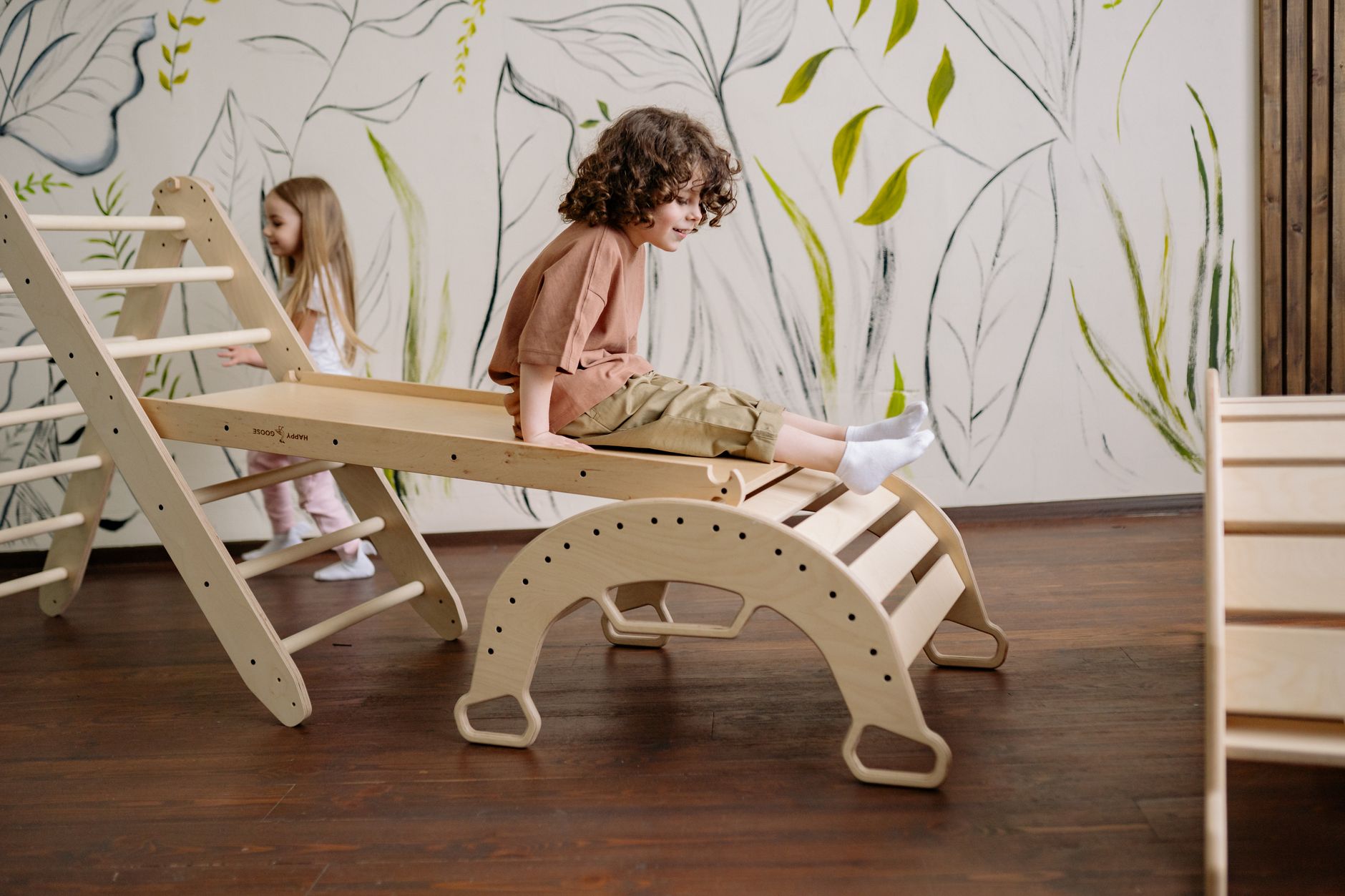
Age-Appropriate Design and Materials
Toddler models (roughly 1–4 years) feature lower heights, enclosed areas, and shorter, gentler slides. Handrails and non-slip steps are essential. Plastic playhouses are lightweight, easy to clean, and often include built-in slides; they suit smaller gardens and younger children. Wooden playhouses offer sturdier structures for older children (4–12+), with taller slides and more complex layouts. Cedar and pressure-treated timber resist rot; regular staining extends life.
Slide Specifications by Age
For toddlers, slide height should not exceed 1.2 m; enclosed sides prevent falls. For 4–8 year olds, 1.5–2 m is typical. Older children can use slides up to 2.5 m if the structure is stable and the run-out area is clear. Check that the slide has a smooth, rounded lip at the bottom to prevent clothing catching. Metal slides can get hot in sun; plastic is cooler but may become slippery when wet.
Safety and Placement
Soft fall surfaces—bark mulch, rubber mats, or sand—should extend at least 1.8 m from the slide exit and around the structure. The playhouse must be anchored to prevent tipping; ground anchors or concrete footings are recommended for taller units. Ensure the slide faces away from walls, fences, and hard surfaces. Regular inspection for splinters, rust, loose bolts, and wear on the slide surface prevents injuries.
Extending Usability and Value
Modular designs allow adding climbing walls, swings, or sandboxes as children grow. Some wooden playhouses can be repurposed as garden sheds or storage. Consider resale: well-maintained wooden structures hold value. Placement matters—shade in summer and shelter from wind improve comfort. A level base (decking or paving) prevents wobble and prolongs the structure's life.
Maintenance and Weatherproofing
Wooden playhouses need annual treatment with wood preservative or stain to prevent rot and weathering. Check bolts and fixings yearly; tighten as needed. Plastic units require less maintenance but can become brittle in cold weather. Store removable parts (e.g. fabric roofs) in winter if recommended. Inspect the slide surface for cracks or sharp edges; replace if damaged.
Budget options include flat-pack kits and second-hand units—ensure structural integrity and age-appropriate design. Premium models offer better materials, design flexibility, and longer warranties. Weigh upfront cost against longevity and your child's expected years of use.
Popular Models and Price Ranges
Plastic playhouses with slides start around £100–200 for basic toddler models. Mid-range wooden sets with slides run £400–800. Premium wooden structures with multiple features can exceed £1,500. Brands such as Little Tikes, Step2, and KidKraft dominate the plastic market; Wickey, TP Toys, and Garden Creations offer wooden options. Read reviews for assembly difficulty—some require two adults and several hours.
The slide adds significant play value: children use it repeatedly for physical activity and imaginative scenarios. Combined with a climbing wall or ladder, it encourages motor development. Consider the run-out space: children need room to land and move away before the next child slides. A curved or wavy slide adds variety; straight slides are simpler and often more durable.
Assembly can be time-consuming; allow a full day for larger wooden structures. Enlist help and follow instructions carefully—incorrect assembly can compromise safety. Some retailers offer professional assembly for a fee. Once installed, involve children in simple maintenance tasks (e.g. wiping the slide) to build ownership. The playhouse becomes a focal point for outdoor play and can support social development when friends visit.
Multi-child families should consider whether the structure accommodates simultaneous play. A slide can create a bottleneck if several children want to use it at once. Some designs include dual slides or additional play elements to distribute activity. Sibling age gaps matter: ensure the slide and heights suit the youngest user while remaining engaging for older children. Adjustable or modular features extend usability as children grow.
Indoor playhouses with slides exist for apartments or year-round use. These are typically smaller and made of fabric or plastic. Outdoor models benefit from fresh air and space but require weather-resistant materials. If garden space is limited, consider a compact design or a slide that attaches to an existing structure. Measure your space before buying—allow for the slide run-out and safe play area around the structure. Retailers provide dimensions; use them to plan placement.
Safety certifications such as CE marking indicate compliance with European standards. Look for robust construction and age-appropriate design. Customer reviews often highlight durability issues or assembly challenges. A well-chosen playhouse with slide can provide years of enjoyment and support your child's physical and social development.