

Your Options For Door Types And Designs For Every Space
Doors define spaces, provide privacy, and contribute to aesthetics and performance. Internal doors range from solid timber to hollow-core; external options include composite, uPVC, and aluminium. Fire-rated and acoustic doors serve specific requirements. UK building regulations and accessibility standards influence specifications. Whether renovating, building new, or replacing worn doors, understanding materials, styles, and function helps you choose the right doors for every space. This guide covers materials, performance, style trends, and practical considerations for UK homeowners and builders.
Material and Performance
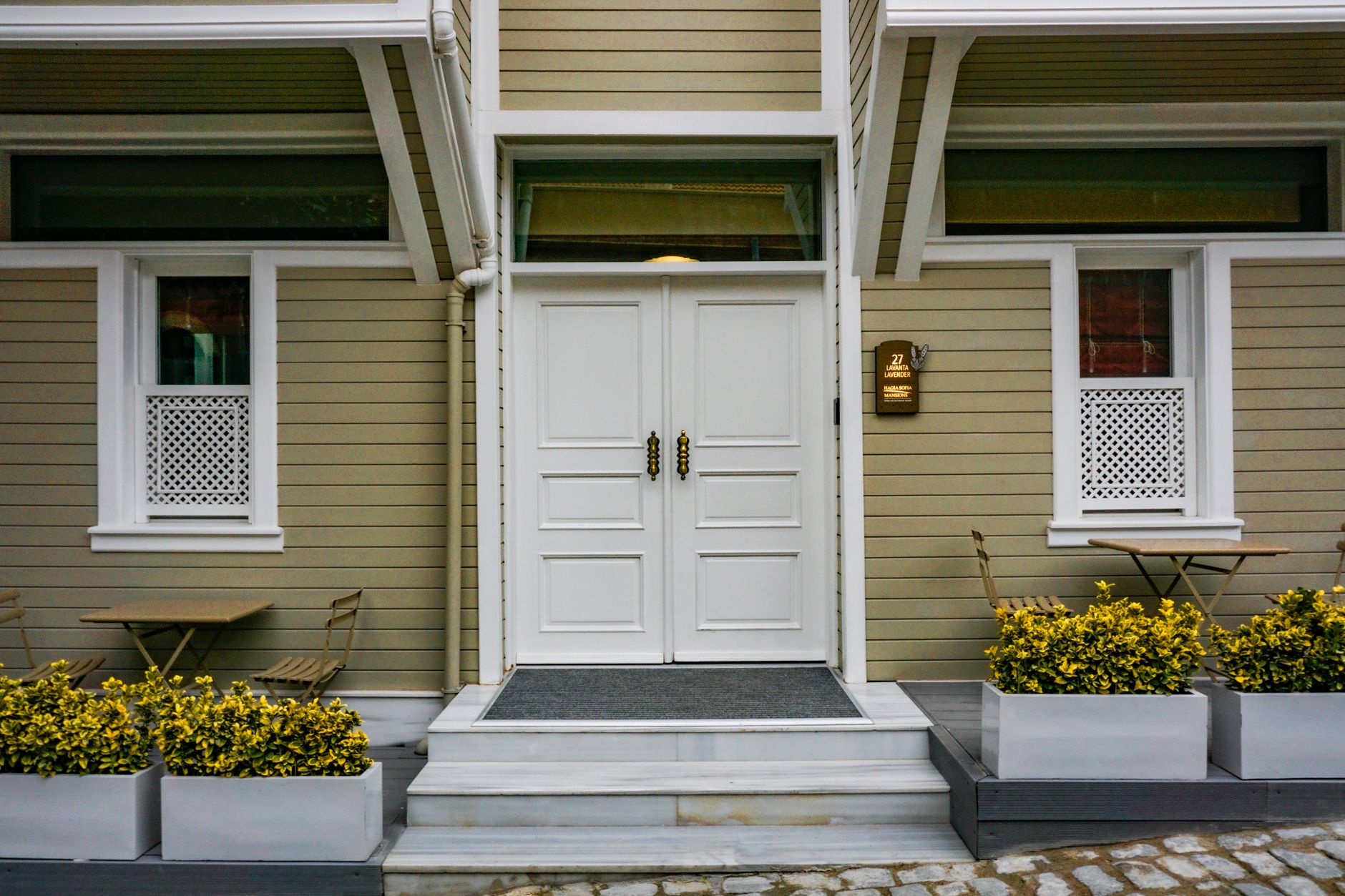
Solid timber offers durability and sound insulation; oak and walnut are popular for internal use. Hollow-core internal doors are lightweight and cost-effective but offer less soundproofing. Composite external doors combine a timber core with glass-reinforced plastic (GRP) skin—durable, low maintenance, and available in wood-effect finishes. uPVC is affordable and weather-resistant; quality varies—look for reinforced frames. Aluminium suits contemporary designs and large glazed areas; thermally broken frames improve energy efficiency. Fire-rated doors (FD30, FD60) are required in certain locations under Building Regulations—e.g. between house and garage, protecting escape routes. Acoustic doors reduce sound transmission between rooms; useful for home offices or bedrooms.
External Door Standards
UK external doors should meet security standards (PAS 24 or equivalent) for insurance and building regs. Energy efficiency (U-values) affects Part L compliance. Consider weather resistance, especially in exposed locations. FENSA and CERTASS accredit installers for replacement windows and doors; using accredited installers can simplify compliance. Look for doors with low U-values (e.g. 1.4 W/m²K or better) for energy efficiency. Double or triple glazing in door panels improves insulation.
Style and Function
Pocket doors slide into the wall, saving space. Bifold and sliding doors open rooms to gardens. French doors offer classic appeal. Minimal frames and bold colours are trending. Accessibility: Part M requires certain widths and thresholds for disabled access. Consider hardware—levers suit accessibility; handles vary by style. Internal doors typically need a minimum width of 750mm for accessibility; 850mm is preferred. External doors may need level thresholds or low-profile options. Glazed doors bring light into interior spaces but consider privacy. Panel designs range from traditional raised panels to contemporary flat designs. The right door enhances the character of your home while meeting practical needs.
Choosing and Installing
Measure accurately; door sizes vary. Consider lead times—bespoke doors take longer. Use TrustMark-registered installers for quality work. Factor in finishing—paint, stain, or pre-finished—and hardware costs. In England and Wales, Building Regulations Part B requires fire doors in certain locations. Part M sets accessibility standards for doors in new builds and major renovations. Replacement doors in existing homes may not need full compliance, but improvements are recommended. Energy-efficient doors may qualify for grants under schemes such as the Great British Insulation Scheme—check eligibility on gov.uk.
Building Regulations
Building Regulations Part B requires fire doors in certain locations—between house and garage, protecting escape routes. Part M sets accessibility standards. Replacement doors in existing homes may not need full compliance, but improvements are recommended for safety and energy efficiency. FENSA and CERTASS accredit installers; using accredited installers can simplify compliance. Draught seals and threshold strips reduce heat loss. Consider future needs—will you need wider doors for accessibility?
Energy Efficiency
External doors contribute to heat loss. Look for doors with low U-values (e.g. 1.4 W/m²K or better). Double or triple glazing in door panels improves insulation. Draught seals and threshold strips reduce heat loss. Energy-efficient doors may qualify for grants under schemes such as the Great British Insulation Scheme—check eligibility on gov.uk. Older doors can be upgraded with draught excluders and better seals; replacement may be more cost-effective for very old or damaged doors.
Internal Door Styles and Trends
Shaker-style doors with simple recessed panels suit both traditional and contemporary interiors. Flush doors offer a minimalist look. Glazed internal doors (full or partial) bring light between rooms—frosted glass maintains privacy. Sliding and pocket doors save space in tight layouts. Bold colours—navy, forest green, black—are trending for internal doors, contrasting with white walls. Period properties often suit panelled doors; new builds may prefer cleaner lines. Consider the flow between rooms—consistent style creates cohesion. Hardware (handles, hinges) should complement the door style; matte black and brass are popular finishes.
Sourcing and Lead Times
Standard sizes (1981mm x 762mm for internal) are readily available; bespoke sizes require longer lead times. Timber merchants, builders' merchants, and online retailers stock doors. Quality varies—cheap hollow-core doors can warp; solid timber costs more but lasts. Pre-finished doors save painting time; unfinished doors allow custom colour. Factor in delivery and installation—doors are bulky. TrustMark and FENSA/CERTASS help find registered installers. Get multiple quotes; prices vary significantly. Consider the full cost including hardware, fitting, and finishing.
Summary and Next Steps
Identify your needs: internal or external, fire-rated, acoustic, or standard. Research materials and styles that suit your property and budget. Get quotes from TrustMark-registered installers. Check building regulations for your project. Consider energy efficiency and accessibility. Measure accurately and allow for lead times. The right doors enhance security, comfort, and aesthetics—invest in quality for long-term satisfaction.