

Enhancing Safety And Comfort Walk In Baths For Seniors
Walk-in baths provide a safer bathing option for seniors and those with mobility limitations. A low-threshold door allows entry without stepping over a high side; built-in seats enable bathing whilst seated. Thermostatic mixers prevent scalding; grab rails aid entry and exit. In the UK, Disabled Facilities Grants (up to £30,000 in England) may contribute to installation for eligible applicants; VAT relief applies to many mobility products for those with qualifying conditions.
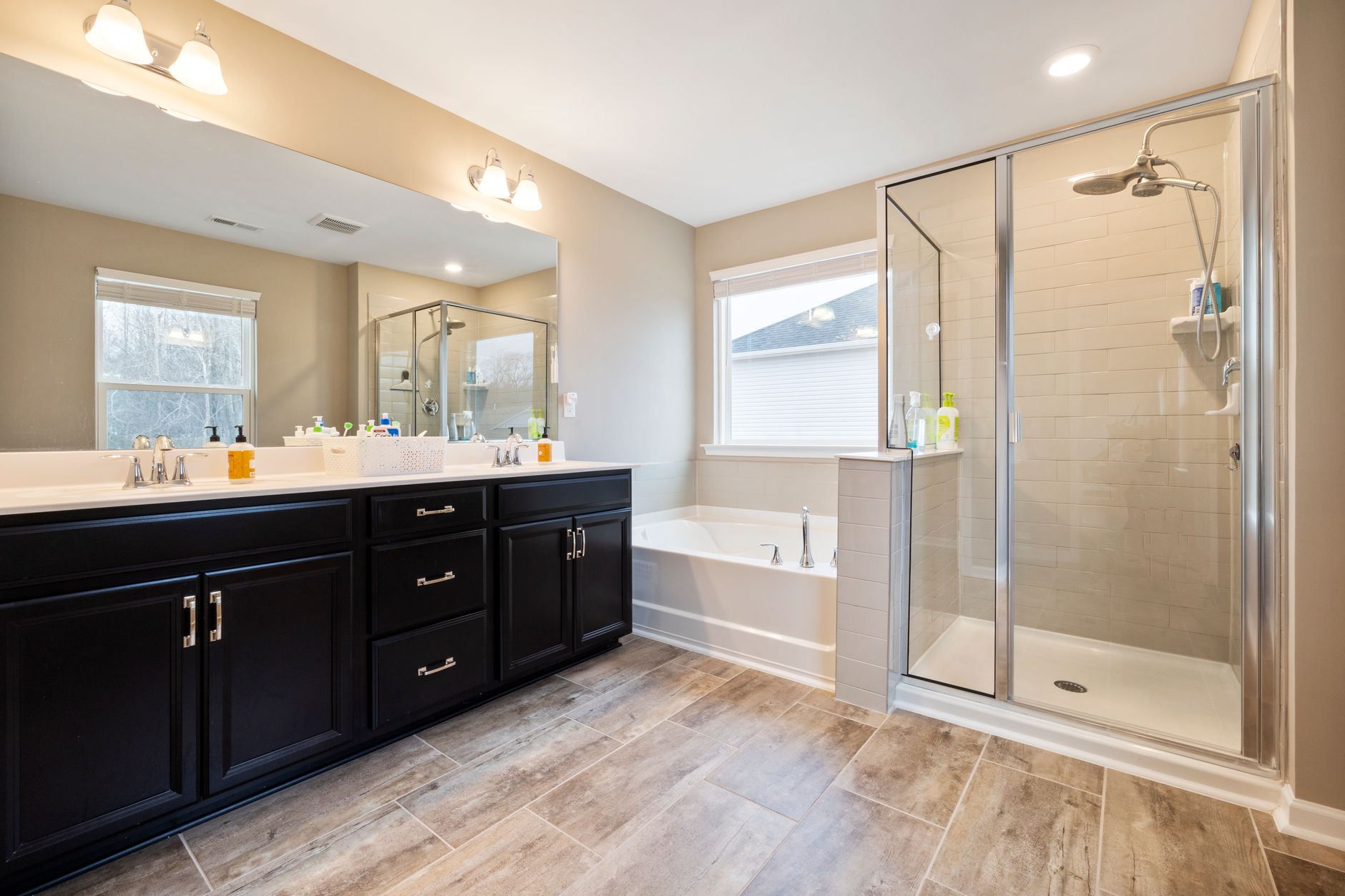
Features and Options: Whirlpool, Quick-Fill, and Compact Models
Basic models offer a seat and low threshold. Whirlpool (jacuzzi) options add hydrotherapy jets for relaxation and circulation. Quick-fill models reduce fill time—important for those who cannot stand long. Compact designs suit smaller bathrooms. Measure your space carefully; walk-in baths can be larger than standard baths. Consider door swing direction and whether the bath will fit through doorways during installation. Non-slip surfaces and easy-reach controls enhance safety.
Installation and Grant Support
Professional installation is essential for watertight seals and correct plumbing. Local councils assess eligibility for Disabled Facilities Grants; grants are means-tested. An occupational therapist may recommend specific adaptations. The process can take several months; plan ahead. Some suppliers offer finance or payment plans. Check TrustMark registration for installers; read reviews and ask for references.
Alternatives and Complementary Adaptations
Walk-in baths are one of several options for bathing safely. Walk-in showers with level-access trays offer an alternative if a bath is not essential. Grab rails and non-slip mats can be fitted to existing baths. Bath lifts and benches can help with getting in and out. An occupational therapist assessment can recommend the best solution for individual needs. Consider the user's mobility now and in the future—will a walk-in bath still suit in five years? The Disabled Facilities Grant process involves assessment, application, and approval; allow time. Some councils have waiting lists. Age UK and local disability organisations can provide guidance.
Research suppliers with good reviews and TrustMark or similar accreditation. Get at least three quotes; compare specifications, warranties, and installation included. Ask about lead times—some suppliers have long waits. Grant applications can take months; start early. Measure your bathroom and check access—walk-in baths are heavy and may require door or frame modifications. Installation typically takes a day or two. Ensure the installer is qualified for plumbing and any electrical work (e.g. whirlpool pumps). After installation, test the bath with the user present; ensure they can enter, exit, and operate controls safely. Follow care instructions to maintain the bath.
Choosing a Supplier and Installation Timeline
Walk-in baths typically hold more water than a standard bath due to the built-in seat and design. Fill time can be 10–15 minutes; quick-fill models address this. Water usage may be higher than a shower; consider water metering implications. Ensure the bathroom floor can support the weight of a full bath and occupant. Leaks can cause serious damage; professional installation is essential. Some models have a door that opens inward, which can be a concern in an emergency; discuss with the supplier. Regular cleaning prevents mould and maintains the finish. Walk-in baths are a significant investment in safety and independence.
Walk-in baths can restore independence for those who have struggled with standard baths. The ability to bathe safely without assistance is valuable for dignity and wellbeing. Users report reduced fear of falling and increased confidence. The built-in seat allows bathing in a seated position; no need to lower oneself to the bottom of the bath. Fill time can be a consideration; quick-fill models address this. Thermostatic mixers prevent scalding—important for those with reduced sensation. Grab rails provide stability. Consider the user's mobility and any conditions that affect balance or grip. Test different models if possible. The right walk-in bath can make a significant difference to daily life and independence.
The User Experience and Daily Use
Walk-in baths can restore safe, independent bathing for seniors. With grants available and various models to choose from, many can find a solution that fits their needs and budget. Professional installation and proper selection ensure the bath serves its purpose for years to come. The investment in safety and independence is valuable. Consult an occupational therapist and get multiple quotes. The right walk-in bath can transform daily life for those with mobility challenges.
Bathing is a daily activity that many take for granted until mobility makes it difficult. Walk-in baths restore the ability to bathe safely and independently. The psychological benefits—dignity, confidence, reduced fear—are as important as the physical. Grants and VAT relief make the investment more accessible. Take time to choose the right model and installer. A well-installed walk-in bath can serve for many years. It is an investment in safety and quality of life.
Walk-in showers with level-access trays offer an alternative if a bath is not essential. Grab rails, fold-down seats, and thermostatic mixers can be fitted to existing baths or showers. Non-slip flooring and adequate lighting reduce fall risk. Consider future needs—will a walk-in bath still suit in 5–10 years? Discuss options with an occupational therapist or mobility specialist. Age UK and local councils can provide information on grants and adaptations.