

A Deep Dive Into Braces And Dental Splints Aligning For A Better Smile
Orthodontic treatment—fixed braces, removable aligners, and retainers—corrects tooth alignment and bite issues for improved function and aesthetics. In the UK, private treatment typically costs £2,000–£6,000; NHS funding applies only for severe cases in under-18s (IOTN grades 4–5). Options include traditional metal braces, ceramic (tooth-coloured) braces, lingual (behind-the-teeth) braces, and clear aligners. Treatment duration varies from months to years depending on complexity.
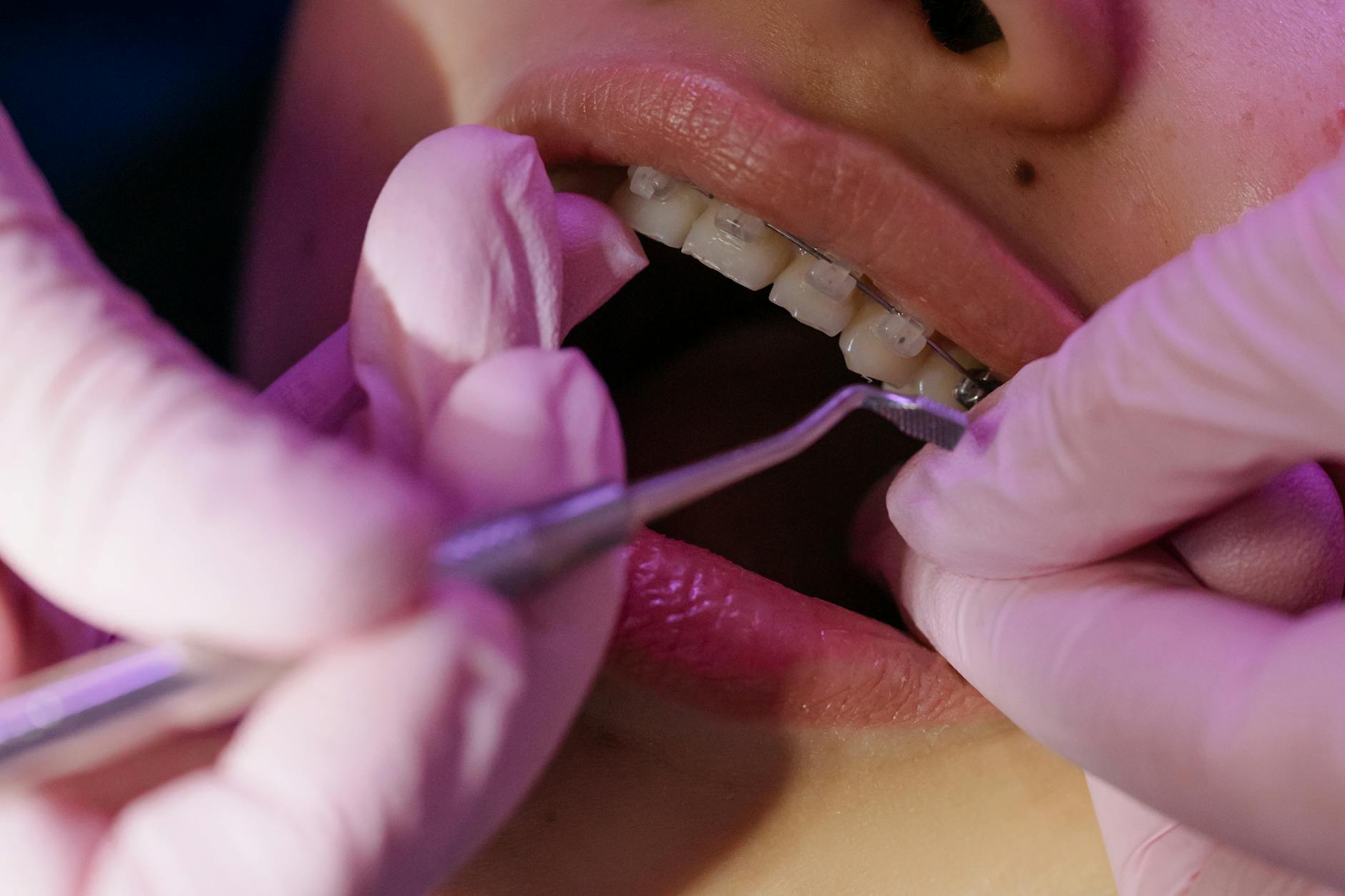
Treatment Options: Metal, Ceramic, Lingual, and Aligners
Metal braces remain the most common and cost-effective; modern brackets are smaller and more comfortable. Ceramic braces blend with teeth for a less noticeable appearance. Lingual braces attach to the back of teeth—invisible from the front but can affect speech initially. Clear aligners (Invisalign, etc.) suit mild to moderate cases and offer removability. Your orthodontist will recommend based on your goals, case complexity, and lifestyle. Some cases require fixed appliances for precise control.
Dental Splints: Night Guards and TMJ Appliances
Dental splints include night guards (for bruxism—teeth grinding) and TMJ appliances for jaw joint issues. These are typically removable, worn at night or as directed. Custom-made splints from your dentist offer better fit and protection than over-the-counter options. They can reduce tooth wear, jaw pain, and headaches. Costs range from £200–£600 for custom splints. Retainers post-braces are a form of splint to maintain alignment.
Retention, Stability, and Oral Hygiene
NHS orthodontic treatment for children is free if the case meets the Index of Orthodontic Treatment Need (IOTN) threshold; waiting lists can be long. Private treatment bypasses the wait and is available for all ages. Some dental insurance plans cover orthodontics; check your policy. Payment plans are common—spread the cost over the treatment period. Orthodontics can improve bite function, reduce wear on teeth, and make oral hygiene easier. Crooked teeth are harder to clean. The aesthetic benefits are often significant; many adults report increased confidence after treatment.
Orthodontists are dentists with additional specialist training (typically 3 years); they are listed on the GDC specialist register. General dentists may also offer orthodontics; check their experience. Initial consultations usually involve examination, X-rays, and discussion of options and costs. Treatment plans may include extractions if there is severe crowding. Ask about treatment duration, retention, and what happens if you move or need to pause. Orthodontic treatment is a significant commitment—attend all appointments, maintain hygiene, and follow instructions. Results can be life-changing for both function and confidence.
Finding an Orthodontist and What to Expect
Orthodontic treatment in adulthood can take longer than in adolescence because bone is less malleable. However, results are achievable. Some adults have had braces as teenagers and experienced relapse; retreatment is possible. Dental splints for bruxism should be worn consistently to be effective. Replace them when they wear out—typically every 2–5 years. TMJ disorders can have multiple causes; splints are one treatment option. Your dentist or a specialist may recommend other approaches. Good oral hygiene throughout orthodontic treatment prevents problems. Regular check-ups and hygiene visits support long-term success.
The orthodontic journey begins with a consultation. Your dentist or orthodontist will examine your teeth, take X-rays, and discuss options. A treatment plan outlines the approach, duration, and cost. For fixed braces, you will have regular appointments to adjust wires and check progress. For aligners, you may have fewer in-person visits. Good oral hygiene is essential throughout—braces and aligners can trap food. Special brushes and floss threaders help. Diet adjustments may be needed—avoid sticky or hard foods that can damage braces. Retention is the final and ongoing phase; without it, teeth will shift. Retainers are for life in some form. The investment in time and money yields lasting benefits.
The Orthodontic Journey: From Consultation to Retention
Orthodontic treatment and dental splints address a range of dental and jaw issues. Whether you seek straighter teeth or relief from grinding, options exist. Consult a qualified professional to understand what is right for you. The investment in your oral health and smile can last a lifetime. NHS treatment is available for eligible children; private treatment serves adults and those who prefer not to wait. Good oral health supports overall wellbeing.
Orthodontic treatment is a partnership between you and your practitioner. Follow their instructions on wear, hygiene, and diet. Attend all appointments. Report any problems promptly. The result depends on your commitment as well as their skill. Dental splints for bruxism require consistent wear to be effective. Your dentist can advise on the best type for your situation. Good oral health supports overall health; invest in your smile.
Whether for aesthetics or function, orthodontic treatment and dental splints offer solutions. Consult a qualified professional to explore your options. The path to a better smile or relief from jaw issues starts with a conversation.
Teeth have a tendency to shift after orthodontic treatment; retainers prevent relapse. Options include removable (worn at night) or fixed wires behind the teeth. Long-term retainer wear is often recommended—sometimes indefinitely. Good oral hygiene is essential throughout treatment; braces and aligners can trap food and increase decay risk. Regular check-ups and hygiene visits support healthy outcomes. Choose a GDC-registered orthodontist or dentist with orthodontic training.